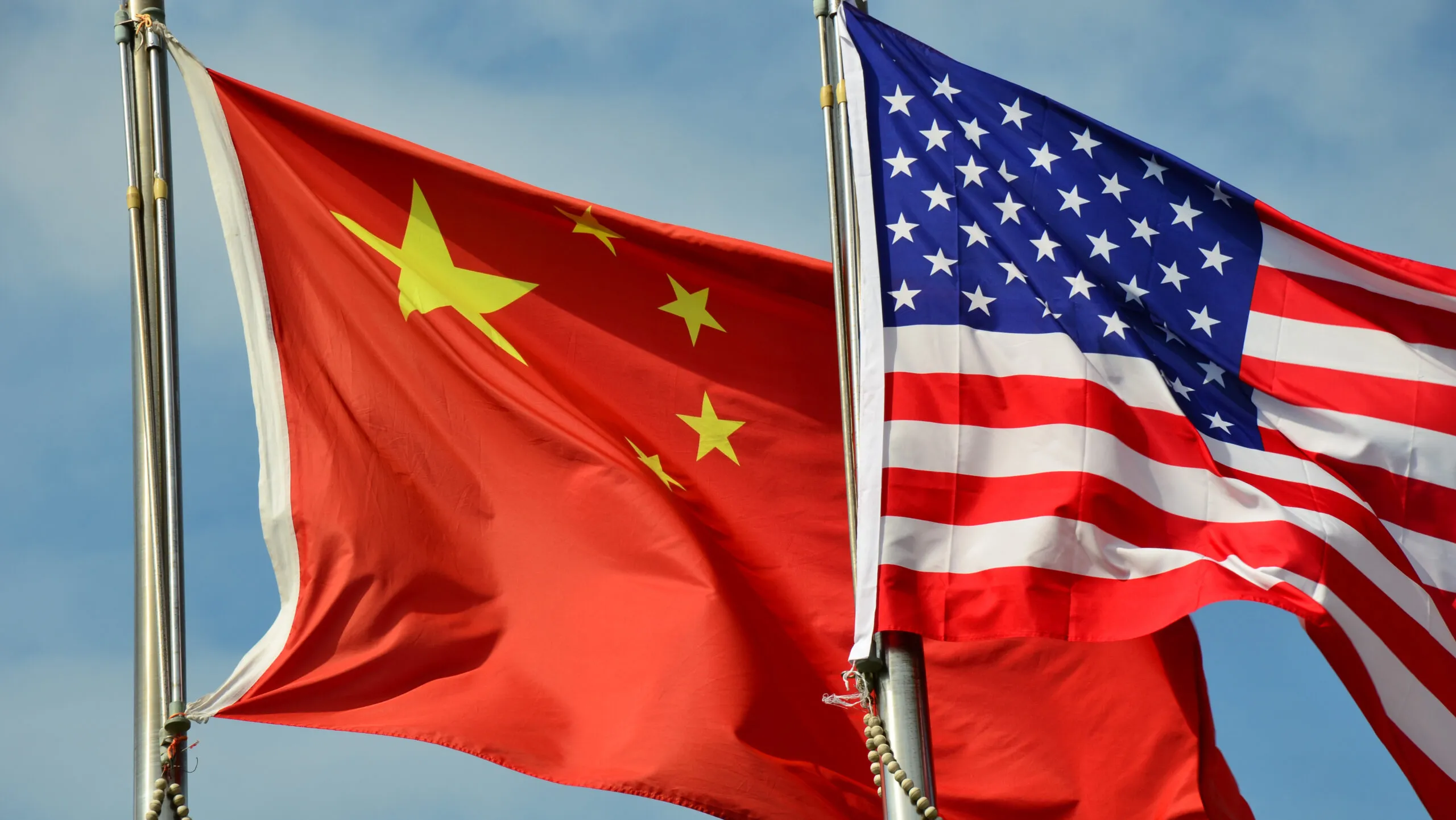
The recent summit in Beijing between Chinese President Xi Jinping and U.S. President Donald J. Trump marks a significant moment in bilateral ties. After years of turbulence, tariffs, and strategic mistrust, the two leaders engaged in extended discussions that produced a shared vision: building a constructive China-U.S. relationship of strategic stability. This framework does not pretend that the past can be restored. It acknowledges a changed world where both powers pursue their core interests while seeking to manage differences and expand cooperation. For countries like Pakistan, which maintain strong partnerships with both Washington and Beijing, such stability offers welcome predictability in global affairs.
The summit occurred at a symbolically important time. China is implementing its 15th Five-Year Plan, focusing on high-quality development and modernization. The United States is marking the 250th anniversary of its independence. In this context, the leaders’ conversations went beyond immediate frictions to broader questions of how two major powers can coexist and contribute to global well-being. Their nearly nine hours of engagement—covering formal talks, private discussions, and even a joint cultural visit to the Temple of Heaven—signalled a willingness to invest time in understanding each other’s perspectives.
This meeting builds on earlier interactions, including a previous encounter in Busan. It represents the first U.S. presidential visit to China in nine years. The tone was described as open, constructive, and strategic. Rather than seeking to remake the other, both sides appear focused on practical ways to prevent competition from spiralling into confrontation. The central outcome is the agreement to pursue “a constructive China-U.S. relationship of strategic stability.” This concept, as elaborated by Chinese Foreign Minister Wang Yi, emphasises positive, healthy, constant, and lasting stability.
Defining Stability in Practice
At its core, this vision prioritises cooperation as the mainstay while accepting that competition will continue. The two economies are too deeply intertwined for one to thrive by isolating the other. Supply chains, markets, and innovation ecosystems link them in ways that decoupling would disrupt at high cost to businesses and consumers worldwide. The summit reinforced that economic and trade ties are mutually beneficial by nature. Teams from both sides have been tasked with implementing prior consensuses, addressing concerns like agricultural market access, and exploring reciprocal arrangements. Business delegations accompanying President Trump expressed continued interest in the Chinese market, reflecting confidence among American companies despite earlier headwinds.
Stability also means keeping competition within bounds. Healthy rivalry—focused on excellence, fair rules, and mutual improvement—can drive progress in technology, green energy, and other fields. But it should not become a zero-sum contest that undermines global stability. On differences, including sensitive issues like Taiwan, both sides reiterated core positions. China emphasised the one-China principle and the importance of peaceful cross-Strait relations, while the discussions underscored the need for careful management to prevent disruptions to the broader relationship. Such candid exchanges, even on difficult topics, are necessary for any sustainable framework.
The agreement to maintain frequent high-level contact—through meetings, calls, and letters—provides a mechanism for continuity. President Xi is expected to visit the United States later this year. These interactions at the top can set the tone for ministries, militaries, and subnational actors to follow through with concrete work. Plans for enhanced exchanges in foreign policy, military relations, public health, agriculture, tourism, and law enforcement suggest a broader agenda beyond trade alone.
People and the Long-Term Foundation
A refreshing aspect of the summit was the attention given to people-to-people ties. President Xi highlighted that the hope of the relationship lies with the people, its foundation at the grassroots, its future with the youth, and its vitality through local exchanges. Referencing “Ping-Pong diplomacy” from over five decades ago, he drew a parallel to how small gestures can open larger doors. China announced plans to invite 50,000 young Americans for exchange and study programs over the next five years. Reciprocal openness to Chinese students in the United States was also welcomed.
Such initiatives matter because public perceptions and personal connections provide ballast when official ties face strain. Business leaders, academics, legislators, and ordinary citizens who engage directly often develop more nuanced views than those shaped solely by headlines. Increased tourism, cultural visits, and subnational partnerships can help humanise the relationship. For global observers, these steps suggest both sides recognise that great-power relations cannot be sustained by governments alone.
Global Implications and Shared Responsibilities
In an era of rapid global change, the direction of China-U.S. relations affects far more than the two countries. The summit included discussions on international and regional issues, from the Middle East to Ukraine. Both leaders expressed interest in dialogue and peaceful approaches to conflicts. Cooperation on transnational challenges—public health, climate, artificial intelligence governance, and supply chain resilience—remains essential. The world’s two largest economies working at cross-purposes would raise costs and risks for everyone; coordinated or at least parallel efforts can provide public goods.
Pakistan and many other nations in the Global South have stakes in this dynamic. Stable China-U.S. relations create space for infrastructure development, trade diversification, and technology access without forcing binary choices. Initiatives like the Belt and Road, alongside American economic engagement, can complement rather than compete when major powers manage their own ties responsibly. Support for each other’s hosting of APEC and G20 meetings this year further indicates a shared interest in effective global governance.
No one expects a sudden transformation into a warm partnership. Trust remains limited, and domestic politics in both countries often reward firmness. Structural shifts in technology, supply chains, and security outlooks are real. Yet the summit demonstrates that leaders can still steer the relationship toward pragmatism. By focusing on strategic stability, both sides aim to provide greater certainty for their economies, reduce the risk of miscalculation, and create conditions for measurable progress.
The path forward requires consistent effort. Implementing agreements on trade, expanding exchanges, and maintaining open communication channels will test commitment on both sides. Challenges will persist, but the alternative—endless escalation and uncertainty—serves no one’s interests. Realism, not nostalgia for an earlier era of engagement, should guide policy. The Beijing summit offers a foundation for that realism.
China and the United States have entered a new phase. Their relationship cannot revert to the asymmetries and assumptions of previous decades. Yet through deliberate management, it can evolve into something more mature: competitive where necessary, cooperative where possible, and stable enough to support global prosperity and peace. The coming months and years will reveal how fully this vision is translated into action. For the sake of their citizens and the wider international community, sustained implementation is worth pursuing.
Mr. Qaiser Nawab, a global peace activist, is a distinguished international expert specializing in the Belt and Road Initiative (BRI), Afghanistan, Central Asia and founder of the Belt and Road Initiative for Sustainable Development (BRISD), a newly established global think-tank headquartered in Islamabad, in conjunction with the one-decade celebration of BRI.