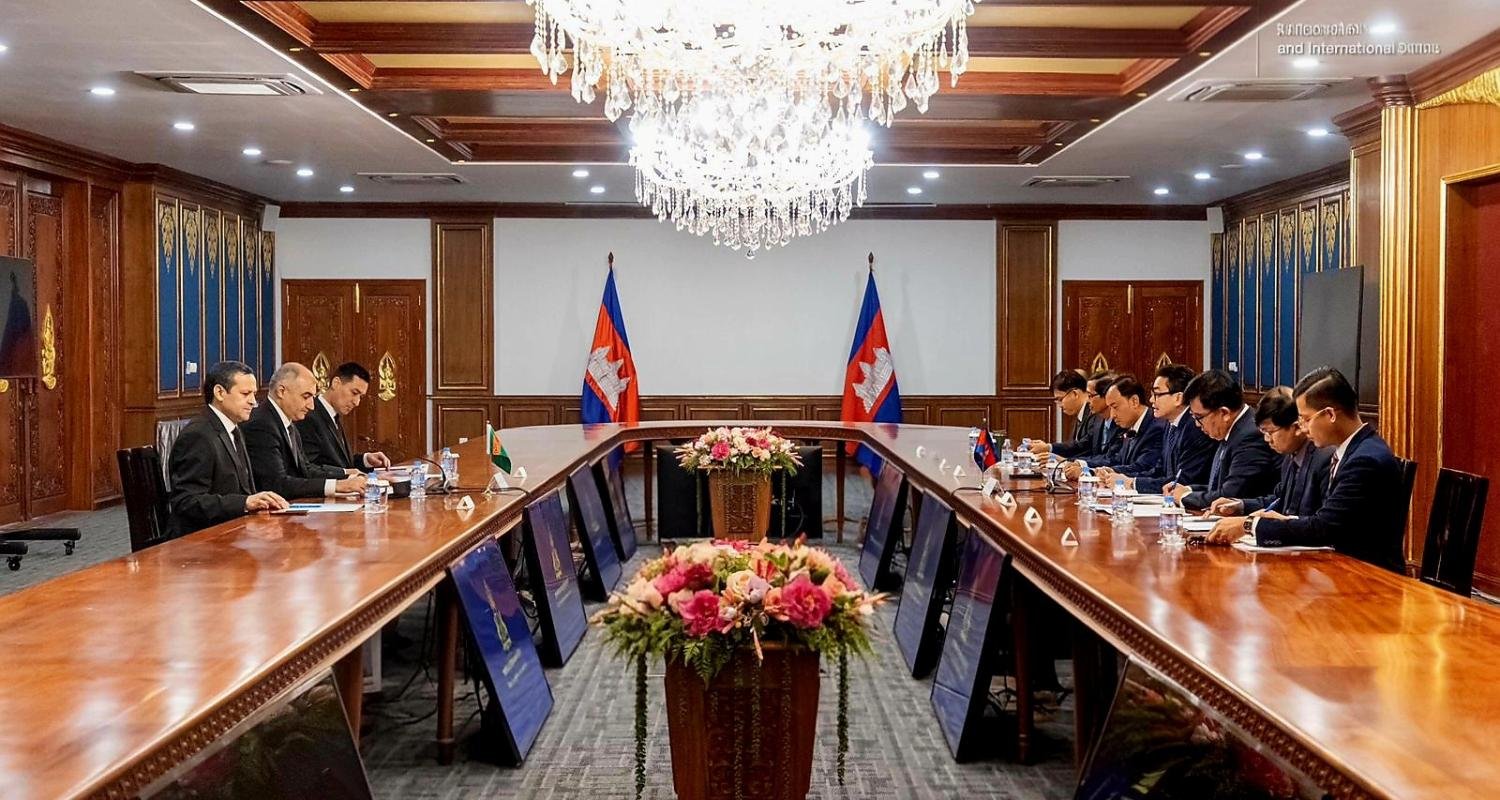
Phnom Penh, May 8, 2026 – The Europe Today: The first-ever political consultations between the Ministries of Foreign Affairs of Turkmenistan and the Kingdom of Cambodia were held in Phnom Penh on Friday, marking a significant step in the development of bilateral diplomatic engagement.
The Turkmen delegation was led by Deputy Minister of Foreign Affairs Ahmet Gurbanov, while the Cambodian side was headed by State Secretary of the Ministry of Foreign Affairs and International Cooperation Ung Rachana.
During the consultations, both sides reviewed a broad spectrum of bilateral relations and underscored that inter-ministerial political dialogue serves as an effective mechanism to strengthen mutually beneficial cooperation and identify new avenues for partnership. The importance of establishing and maintaining high-level contacts was emphasized as a means to further expand bilateral ties.
The two sides also highlighted the significance of enhancing inter-parliamentary exchanges, including the organisation of virtual meetings and reciprocal visits by friendship group delegations. In addition, they underlined the need to further develop the legal and contractual framework governing bilateral cooperation.
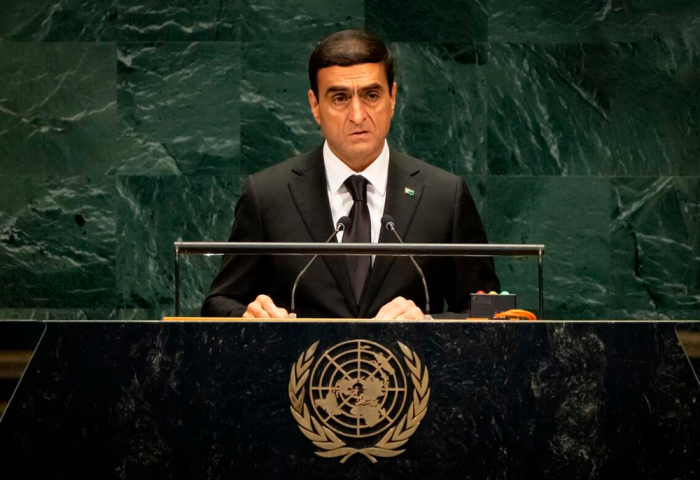
Cooperation within international and regional organisations was also discussed, with particular reference to the United Nations. The Cambodian side was appreciated for its support of Turkmenistan’s international initiatives and its co-sponsorship of several UN resolutions.
The consultations further covered cooperation within the framework of ASEAN, recognised as an important platform for regional and interregional engagement. Cambodia expressed support for Turkmenistan’s proposal to establish a “Central Asia + ASEAN” dialogue format.
Both sides identified key priority areas for expanding trade and economic cooperation, including direct business-to-business contacts, the organisation of trade forums and business missions, and collaboration in sectors such as textiles, agriculture, product processing, and transport and logistics through international corridors.
In the field of humanitarian and cultural cooperation, the two sides exchanged views on organising reciprocal Days of Culture, strengthening tourism links, and encouraging direct engagement between travel agencies. Expanding cooperation in education was also highlighted as an important area of future collaboration.
At the conclusion of the consultations, both sides reaffirmed their commitment to further deepening bilateral dialogue in line with the interests of both countries.