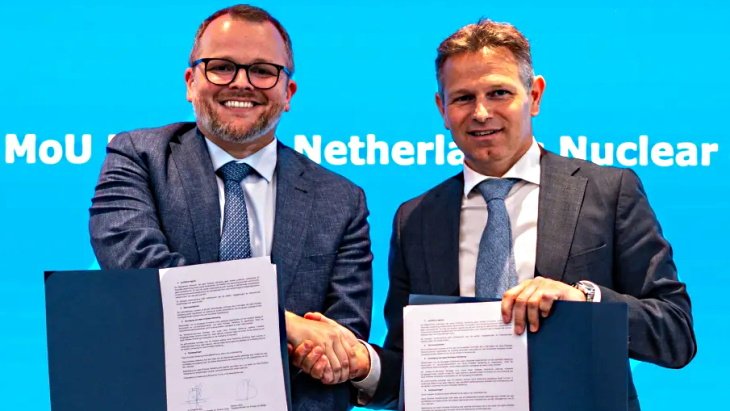
Brussels, May 15, 2026 – The Europe Today: Belgium and the Netherlands have signed a Memorandum of Understanding (MoU) aimed at strengthening bilateral cooperation in the nuclear energy sector, with a focus on research, innovation, workforce development, and radioactive waste management.
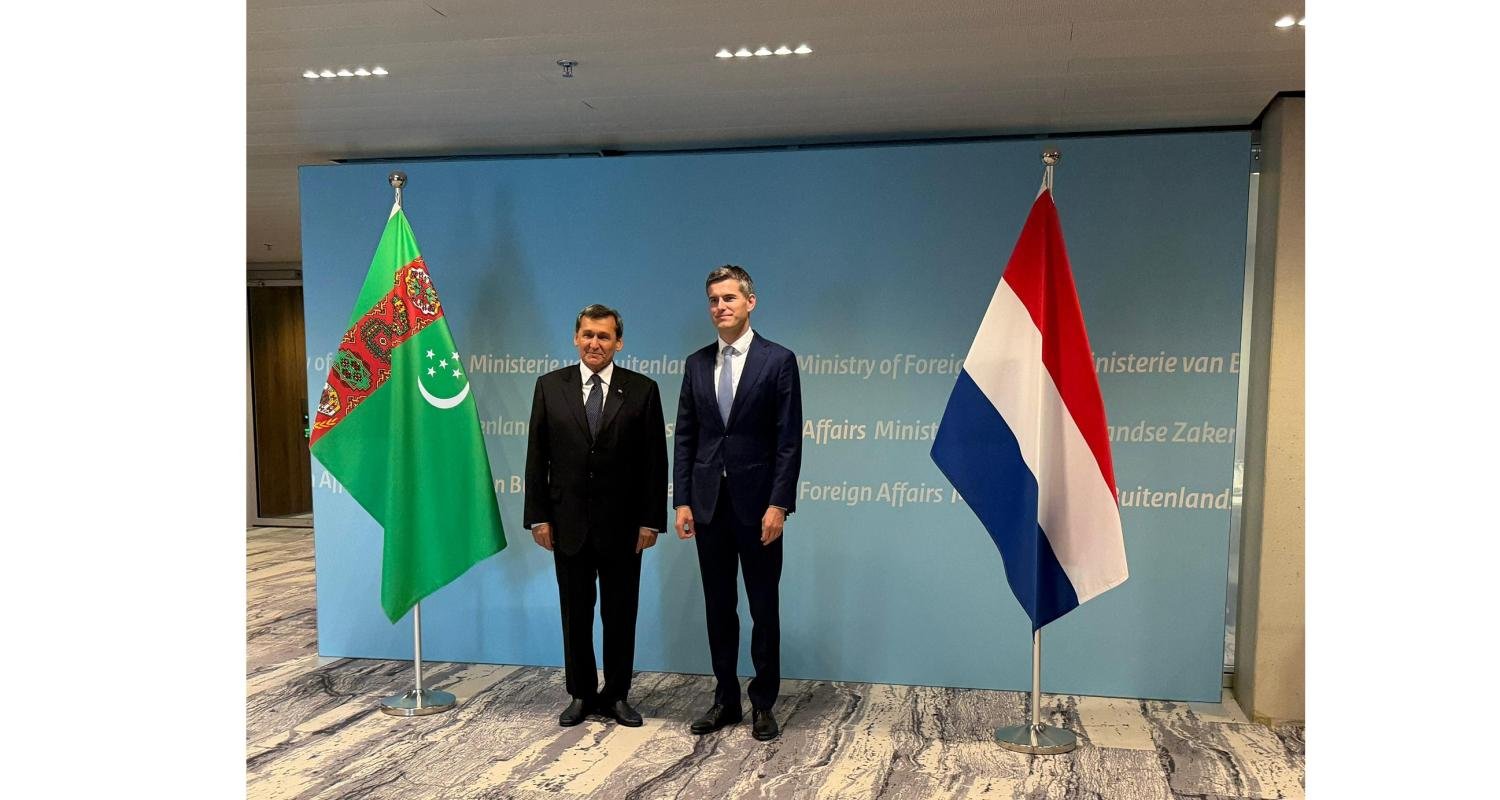
The agreement was signed during the Belgian-Dutch Nuclear Summit (BeNeNuc Summit) by Belgium’s Federal Minister of Energy Mathieu Bihet and Dutch State Secretary for Climate and Green Growth Jo-Annes de Bat.
Under the MoU, both countries agreed to expand cooperation in research and development and intensify the exchange of technical expertise through regular bilateral meetings. The partnership will allow the Netherlands to benefit from Belgium’s extensive operational experience in nuclear power generation, while Belgium will gain insights from Dutch developments related to the construction of new nuclear plants and small modular reactors (SMRs).
The agreement also seeks to strengthen collaboration between companies and knowledge institutions operating within the nuclear energy supply chain. To support this objective, Belgium and the Netherlands plan to establish joint innovation missions involving businesses and research organisations from both countries, while governments will encourage industrial cooperation wherever possible.
A major component of the partnership focuses on workforce development and training. According to the agreement, construction activities linked to future nuclear projects are expected to require approximately 10,000 workers during peak periods and an average of around 5,000 employees throughout the overall construction process. Both governments plan to support joint training programmes to enhance skills and expertise in the nuclear sector.
The two countries also pledged to work together on solutions concerning the management, storage, and long-term disposal of radioactive waste.
Speaking on the occasion, Bihet said future European nuclear projects require strong value chains, high-level expertise, and close cooperation among governments, research centres, and industry stakeholders. He noted that Belgium and the Netherlands possess recognised expertise and are joining forces to contribute to a more robust, innovative, and independent European nuclear ecosystem.
De Bat said the Netherlands is at a critical stage in its plans to strengthen energy independence through greater reliance on nuclear energy. He emphasized that cooperation with neighbouring countries such as Belgium is essential to support the sector’s rapid development and contribute to broader European progress.
Belgium has recently shifted its long-standing nuclear policy. In May last year, the Belgian parliament voted overwhelmingly to repeal a 2003 law mandating the phase-out of nuclear energy and prohibiting the construction of new nuclear generating capacity. Although several reactors had been scheduled for closure, the government reached an agreement to extend the operation of the Doel 4 and Tihange 3 reactors by an additional 10 years.
Meanwhile, the Dutch government has also placed nuclear energy at the centre of its climate and energy strategy. Alongside plans to extend the operation of the Borssele Nuclear Power Station, the Netherlands intends to construct two new nuclear reactors by around 2035, each with a projected capacity of between 1,000 and 1,650 megawatts electric (MWe). The country is also preparing for the potential deployment of SMRs as part of its long-term clean energy transition.