The changing character of warfare has transformed cyberspace into a decisive operational arena. In the 21st century, military strength is measured not only by the size of Armed Forces or the sophistication of weapons platforms but also by a nation’s ability to protect digital infrastructure, disrupt adversarial systems and dominate the information environment. Operation Divine Bytes by PAF Cyber Force may not have produced the thunder of artillery or the spectacle of fighter formations in the skies, yet it emerged as one of the most consequential dimensions of the May 2025 Pakistan-India military conflict. At a time when conventional military activity dominated headlines following the escalation of May 7–8, an equally critical battle was unfolding silently across digital networks, encrypted systems and information grids. The operation underscored a defining reality of contemporary conflict: modern wars are no longer fought solely with bombs and bullets; they are increasingly contested through cyber power, information dominance and technological superiority.
Operation Divine Bytes stood as a compelling testament to Pakistan Air Force’s rapidly advancing cyber warfare prowess. Executed under the stewardship of Air Commodore Attaullah Zeb, DG PAF Cyber Force, and guided by the strategic vision and direct oversight of the Chief of the Air Staff, the operation showcased PAF’s growing ability to project power and achieve operational effects across the digital battlespace. It reflected the growing integration of PAF’s cyber power within a broader multi-domain military framework. It illustrated how modern Air Forces are increasingly combining cyber operations, electronic warfare, surveillance capabilities and conventional combat power into a synchronized operational architecture. While fighter aircraft and Air Defence systems remained central to the conflict, cyberspace quietly emerged as an equally influential front. Reports during the conflict pointed toward disruptions in Indian communication networks, instability within sections of power infrastructure and interruptions affecting logistical systems across parts of India. In an era defined by interconnected systems, even temporary digital disruption can create operational uncertainty, slow coordination mechanisms and affect decision-making during critical moments. This is the defining feature of modern warfare: strategic effects can now be achieved without large-scale physical destruction. A compromised communication network, delayed command response or disrupted logistics chain may influence military effectiveness as significantly as a conventional strike. This, PAF Cyber operations have altered the very meaning of battle damage in the contemporary battlespace.
Equally important was the role of information dominance during the conflict. Modern military operations increasingly revolve around the acquisition, interpretation and management of data. Nations capable of penetrating digital ecosystems, securing strategic intelligence and controlling information flows possess a substantial operational advantage long before physical engagement begins. Within this evolving environment, Open-Source Intelligence has become a powerful force multiplier. Publicly accessible satellite imagery, geospatial data, digital footprints and social media activity now provide unprecedented situational awareness in conflict zones. During Marka-e-Haq, PAF OSINT reportedly assisted in identifying unusual online activity and coordinated information patterns ahead of the crisis, contributing to operational preparedness and early threat assessment. As the conflict progressed, open-source digital analysis also enabled rapid Battle Damage Assessment through satellite imagery verification and publicly available evidence. This reflects the growing importance of information-centric warfare where strategic awareness is increasingly shaped in real time through digital monitoring and analysis.
What distinguished Pakistan Air Force’s operational approach was the apparent synchronization between cyber capability and conventional military operations. Cyber warfare was not treated merely as a supporting technical function operating in isolation. Instead, it appeared integrated into a wider operational doctrine encompassing electronic warfare, artificial intelligence, surveillance systems and precision air power. Such integration reflects the future trajectory of military strategy globally. Contemporary warfare is steadily evolving toward a net-centric model in which dominance depends upon the seamless coordination of multiple operational domains. Cyber capability now functions as a force multiplier capable of shaping both digital and physical dimensions of conflict simultaneously. The development of this capability also reflects long-term institutional foresight within Pakistan Air Force. Recognizing the rapidly changing nature of warfare, the service leadership accelerated modernization efforts focused on emerging technologies including cyber warfare, AI-enabled operational systems and integrated command structures. This doctrinal transformation led by Air Chief Marshal Zaheer Ahmed Baber Sidhu sought to prepare Pakistan Air Force for conflicts where technological integration would become as critical as conventional combat strength.
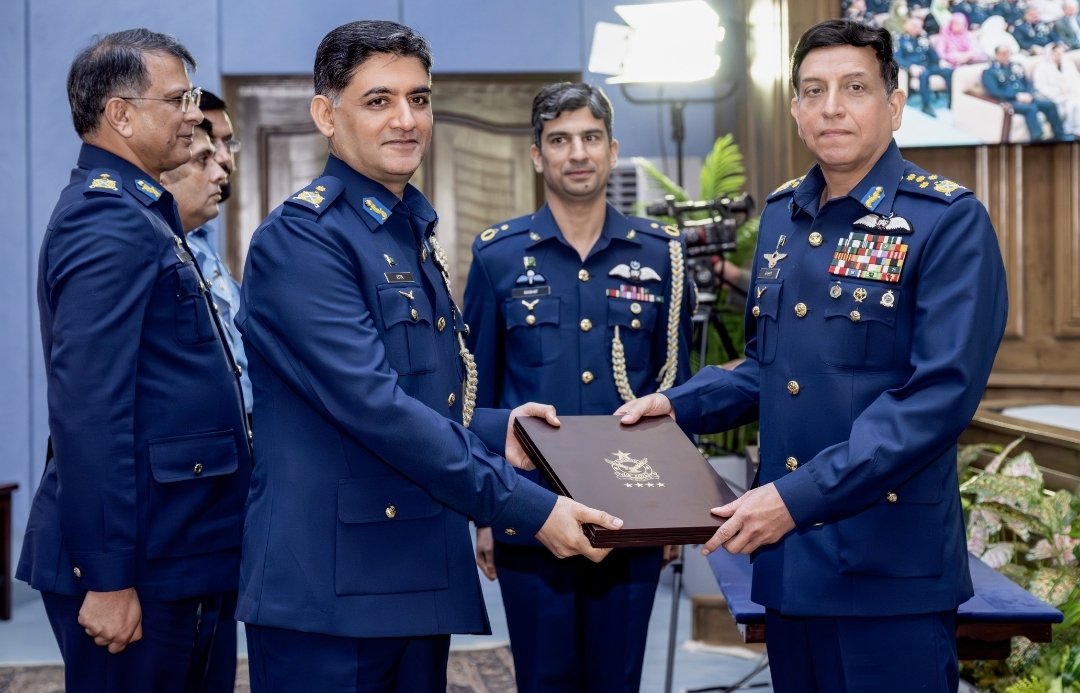
The recognition recently accorded to PAF Cyber Force during the Marka-e-Haq Commemoration Ceremony further highlighted the strategic importance of cyber operations within Pakistan’s national defence framework. It also underscored the emergence of cyber specialists as indispensable actors in modern military operations. International defence analysts increasingly view cyber-integrated warfare as the future of military competition. The ability to synchronize digital operations with conventional combat capability is now regarded as a hallmark of advanced military preparedness. In this environment, PAF’s cyber resilience and information superiority are becoming central pillars of deterrence and operational effectiveness. Beyond its technical dimensions, cyber warfare also carries significant psychological and strategic implications. Modern conflicts are fought not only across physical terrain but also within the information sphere where narratives, perception and strategic signaling shape both domestic morale and international opinion. Demonstrating technological sophistication and cyber preparedness therefore serves not only operational objectives but also broader strategic messaging.
Operation Divine Bytes ultimately symbolized far more than a cyber campaign; it reflected the broader transformation underway in modern warfare and highlighted Pakistan Air Force’s emergence as a technologically advanced and future-oriented fighting force. Under the visionary leadership of Air Chief Marshal Zaheer Ahmed Baber Sidhu, PAF has steadily expanded its operational doctrine beyond conventional air power into the realms of cyber warfare, artificial intelligence and integrated multi-domain operations. The battlefield of the future now extends far beyond traditional frontlines into servers, networks, satellites and digital ecosystems where silent operations may shape strategic outcomes before conventional engagements even begin. The May 2025 conflict served as a powerful reminder that future wars will not be defined solely by firepower or troop strength, but increasingly by the ability to dominate across interconnected domains through technology, cyber capability and information control. In demonstrating this evolving warfare model, Pakistan Air Force reinforced its reputation as a modern, adaptive and strategically forward-looking air arm prepared to confront the challenges of next-generation conflict. The era of digital warfare is no longer a distant possibility; it has already become an operational reality.