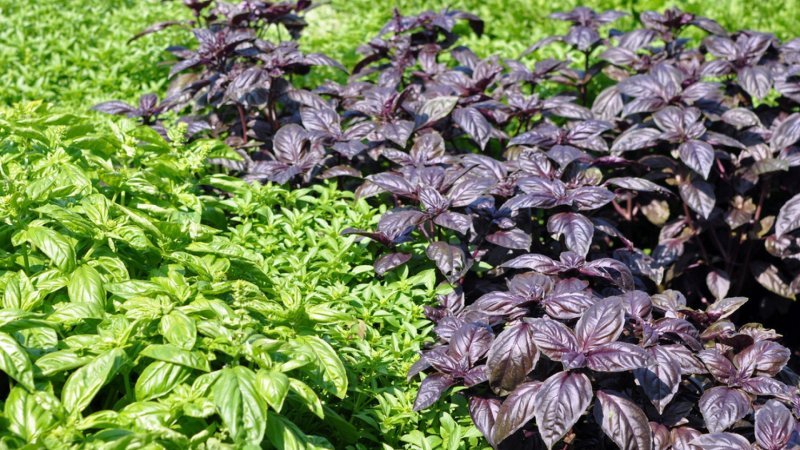
Dushanbe, June 7, 2026 – The Europe Today: Basil, a fragrant herb widely cultivated across Central Asia and known in parts of Tajikistan as Shohisparam, Shohispargham, and Nozbu, is being highlighted for its extensive nutritional, medicinal, and environmental benefits.
Experts say fresh basil leaves contain a rich combination of nutrients, including proteins, carbohydrates, dietary fiber, essential oils, vitamins B, C, A, E, K, beta-carotene, lutein, and important minerals such as potassium, calcium, magnesium, phosphorus, iron, zinc, copper, selenium, and manganese. These compounds are believed to contribute to disease prevention and overall health.
Basil has a long history dating back to ancient civilizations. Historical accounts indicate that it was used in ancient Egypt during mummification practices, while in India it is regarded as one of the most sacred plants after the lotus. Today, approximately 150 varieties of basil are known worldwide.
Traditional medicine attributes numerous healing properties to basil. It has been used to support digestion, relieve respiratory discomfort, promote appetite, and improve overall well-being. Herbal tea made from basil is particularly valued for its anti-inflammatory and antibacterial properties and is commonly consumed to support respiratory health and ease breathing difficulties.
Health specialists, however, caution that basil should be consumed in moderation. Individuals suffering from certain cardiovascular conditions, thrombosis-related disorders, epilepsy, and some forms of diabetes are advised to consult healthcare professionals before using basil extensively. Experts also note that the plant contains trace amounts of naturally occurring compounds that make excessive consumption inadvisable.
Beyond its medicinal uses, basil plays an important role in sustainable agriculture. Agronomists report that the herb is planted alongside cotton fields in parts of Tajikistan to attract beneficial insects that help control agricultural pests naturally. This environmentally friendly approach reduces pest populations while minimizing production costs and limiting the need for chemical interventions.
Basil is also valued for its aromatic qualities. Traditional practices suggest that its fragrance may help alleviate heat-related headaches, while chewing fresh leaves can contribute to oral hygiene. The herb remains a popular ingredient in teas and culinary preparations due to its distinctive flavor and aroma.
Proper storage is considered essential for preserving basil’s quality. Fresh basil can typically be refrigerated for several days, while dried leaves may be stored in sealed containers for up to two years when kept in suitable conditions.
In addition to its practical uses, basil holds cultural significance among Persian-speaking communities. Its pleasant fragrance and attractive appearance have made it a symbol of beauty and freshness, inspiring personal names such as Rayhona and Bibirayhon.
As interest in natural remedies, sustainable farming, and healthy nutrition continues to grow, basil remains one of the region’s most valued herbs, appreciated for both its traditional heritage and modern-day applications.