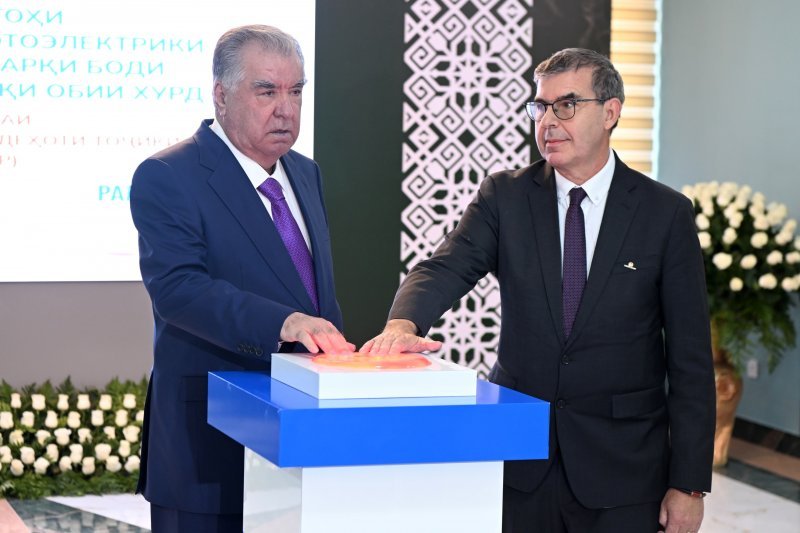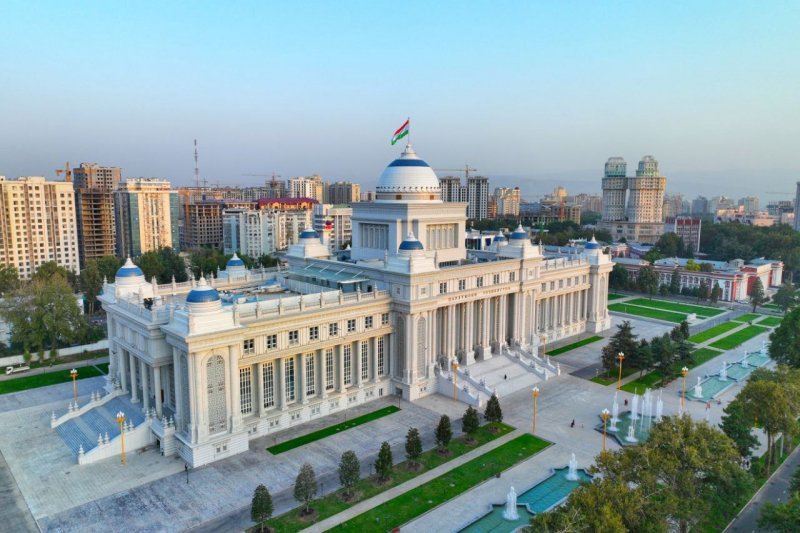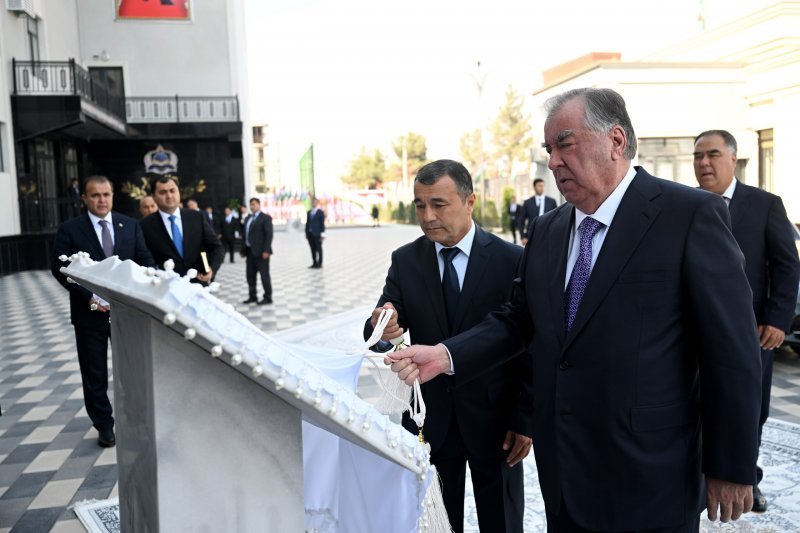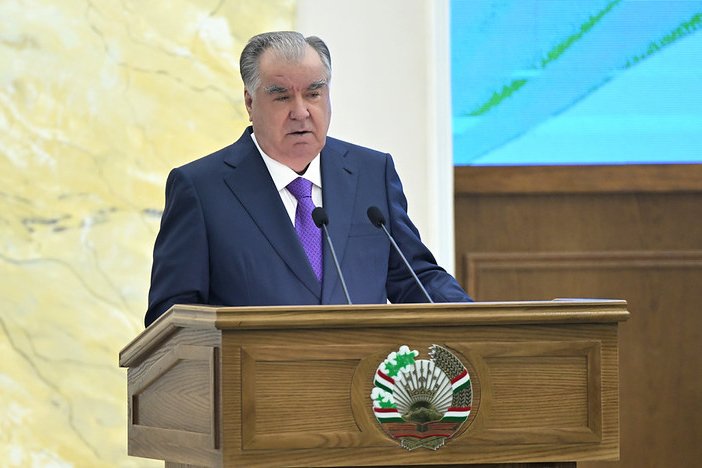
Dushanbe, July 15, 2026 – The Europe Today: President of Tajikistan Emomali Rahmon has called for deeper legal reforms, greater professionalism within the justice sector, and accelerated digital transformation of public legal services, while inaugurating the new headquarters of the Ministry of Justice ahead of the country’s 35th Independence Day celebrations.
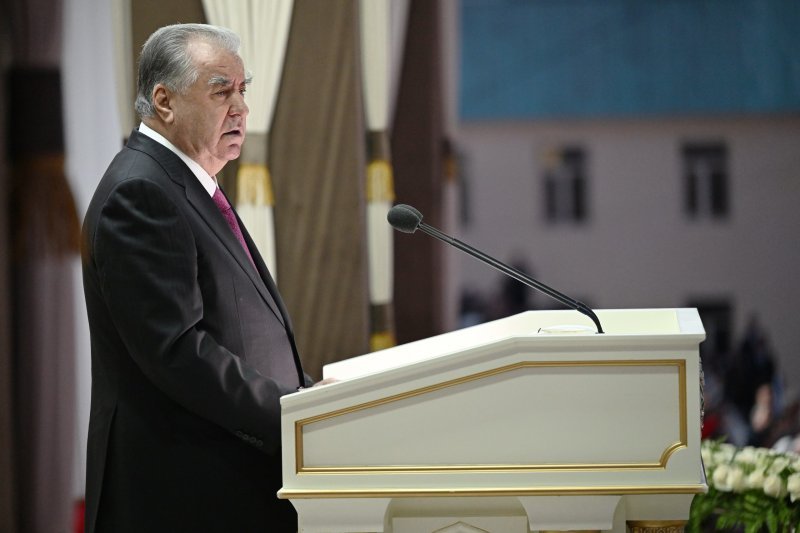
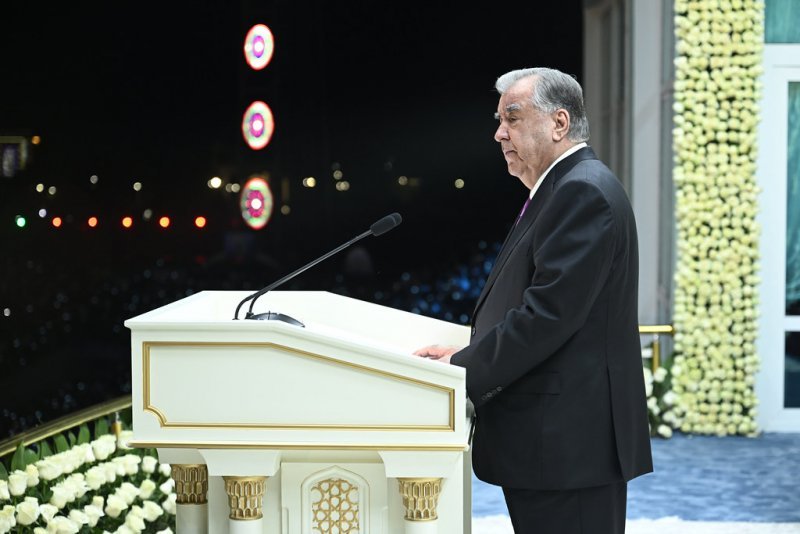
Addressing justice officials after the inauguration ceremony, President Rahmon said the new ministry building reflects the state’s continued commitment to strengthening the legal system and providing modern working conditions for civil servants.
He reaffirmed that the development of a sovereign, democratic, secular and law-based state remains one of Tajikistan’s principal national objectives, stressing that the rule of law is the foundation of political stability, social justice and sustainable development.
The President noted that justice authorities, alongside law enforcement agencies, play a central role in protecting citizens’ constitutional rights and freedoms, ensuring legality, improving legal awareness, providing legal assistance, overseeing civil registration and notarial services, conducting forensic examinations and implementing criminal justice policies.
Highlighting Tajikistan’s legal heritage, Rahmon praised the country’s historical contributions to justice and statehood, describing Cyrus the Great as an enduring symbol of justice, tolerance and respect for human rights. He also welcomed UNESCO’s adoption of the resolution, initiated by Tajikistan, recognizing the Cyrus Cylinder as an early charter of human rights and cultural diversity.
Reviewing progress since independence, the President said the government has implemented comprehensive legal reforms that have strengthened national legislation and reinforced the country’s constitutional and legal institutions.
He noted that modern justice facilities have been built in 33 cities and districts, while administrative buildings in five additional districts have been renovated and equipped with modern infrastructure.
Rahmon highlighted key reforms including the introduction of e-government, centralized legal information databases, digital public services, modernization of notarial services and civil registry offices, and the establishment of the State Legal Aid Center to provide free legal assistance to vulnerable groups, including women, children, persons with disabilities, migrants and low-income families.
The President said revenues generated through state duties and legal services increased from 45 million somoni in 2015 to 311 million somoni in 2025, reflecting significant growth in the justice sector’s performance.
Emphasizing the importance of legal awareness, Rahmon said respect for the law must become a permanent national priority. He recalled that 2024 was declared the Year of Legal Education in Tajikistan and welcomed the international recognition of the initiative.
He also noted that the United Nations General Assembly adopted a resolution declaring 2027 the International Year of Legal Education, based on Tajikistan’s proposal. He instructed the Ministry of Justice to serve as the lead institution in coordinating preparations for international conferences, forums and related activities under the initiative.
Despite progress, President Rahmon acknowledged that several shortcomings remain within the justice system. He called for improvements in the quality of legislative drafting, stronger legal review of draft laws, enhanced supervision of public associations, and expanded public legal education through modern communication tools and digital platforms.
He stressed the need to accelerate the digitalization of justice services, noting that although 72 public services fall under the Ministry of Justice, only nine are currently available through the country’s unified electronic government portal. He warned that excessive paperwork, administrative delays and unnecessary documentation create opportunities for corruption and undermine public trust.
The President also raised concerns over complaints regarding delays and poor public service in civil registration offices and state notary services, while calling for improved professionalism and accountability across the sector.
Rahmon highlighted challenges facing the Republican Center for Forensic and Criminal Expertise, citing shortages of modern equipment and qualified specialists that have affected the quality and timeliness of forensic examinations.
Expressing concern over corruption within parts of the justice system, the President cited official figures showing that 129 justice officials have been implicated in corruption-related crimes since 2016, while prosecutors have opened 121 criminal cases involving Ministry of Justice personnel and affiliated institutions.
He instructed the Main Department for the Execution of Criminal Punishments to comprehensively strengthen internal oversight, personnel selection, prison security, operational activities and anti-corruption measures, while ensuring the protection of the rights of detainees and convicted persons.
Referring to the recently adopted Law on Amnesty, enacted to mark the 35th anniversary of Tajikistan’s independence, Rahmon directed prison authorities to ensure its fair, transparent and impartial implementation without allowing corruption or abuse.
Looking ahead, the President urged continued modernization of Tajikistan’s legal system through improved legislation, wider application of digital technologies, enhanced legal services and greater attention to professional development, including the study of international law and foreign languages.
He called on justice officials to serve the people of Tajikistan with integrity, professionalism and dedication, stressing that honesty, accountability, ethical conduct and respect for the law must remain the guiding principles of every employee in the justice sector.
Concluding his address, President Rahmon wished all justice officials success in their work and good health, urging them to continue contributing to the strengthening of statehood, the protection of national independence and the advancement of a just and law-based society.