Azerbaijan–Uzbekistan relations are entering a new phase in which their strategic alliance is gaining tangible substance. Bilateral ties are no longer limited to political and diplomatic cooperation; they are evolving into a broad economic and institutional partnership encompassing mutual investment, joint production, transport, energy, education, science, urban development and interregional cooperation.
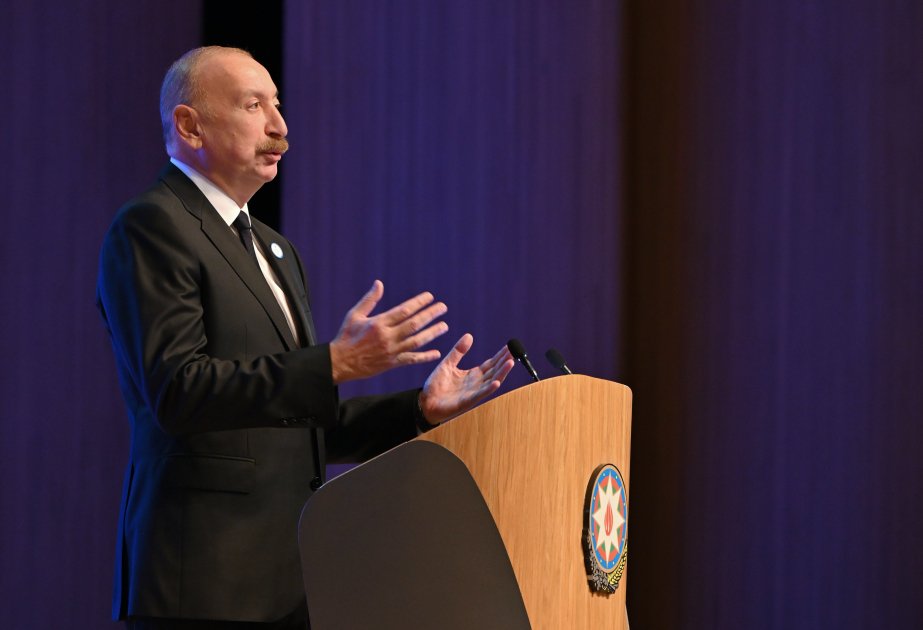
One of the most significant developments in this process was Azerbaijani President Ilham Aliyev’s state visit to Uzbekistan on August 23, 2026, and the holding of the third meeting of the Azerbaijan–Uzbekistan Supreme Interstate Council in Tashkent. The development demonstrates that the Council, established in 2024, has already become one of the key mechanisms for systematically defining the strategic directions of bilateral relations. The main feature of the new stage in 2026 is that political alliance is increasingly being accompanied by concrete economic outcomes.
A ceremony was held in the presence of the presidents of Azerbaijan and Uzbekistan for the signing and exchange of a number of bilateral documents. The agreements further institutionalize cooperation between the two countries across various sectors.
More significant, however, is the scale of projects being implemented in Uzbekistan with Azerbaijani participation and by Azerbaijani companies. The foundations of several major projects were laid in the presence of the two presidents. These initiatives demonstrate an important trend: Azerbaijan–Uzbekistan relations are moving beyond conventional trade ties toward mutual investment and joint business activities.
The growing presence of Azerbaijani capital in Uzbekistan is particularly noteworthy at this new stage. Azerbaijani companies are implementing projects in a range of sectors, including banking, construction, urban development, energy, industry, agriculture, education and tourism.
The new stage of Azerbaijan–Uzbekistan relations cannot be viewed separately from the broader regional context. This approach gives the bilateral relationship significance beyond the two countries themselves. Azerbaijan, representing the South Caucasus, and Uzbekistan, one of the key states of Central Asia, are becoming complementary partners in the development of the Middle Corridor, trade, logistics and energy connectivity.
By an order signed by President Ilham Aliyev on August 23, Uzbek President Shavkat Mirziyoyev was awarded the “Heydar Aliyev” Order. The order noted that the award was granted in recognition of the Uzbek president’s special services in developing relations of friendship, brotherhood and alliance between Azerbaijan and Uzbekistan.
The decision is also an important symbolic development, demonstrating that bilateral relations are firmly grounded in mutual trust between the two leaders and strong political will.
Another defining feature of the new stage is the deepening of relations not only at the governmental and business levels, but also in education, science and humanitarian cooperation. The opening of STEAM schools in this regard is particularly noteworthy, as interaction among young people, scientific institutions and educational establishments is one of the key factors ensuring the long-term sustainability of interstate relations.
Azerbaijan is increasingly developing its relations with Central Asia not merely within the framework of bilateral ties, but in the broader context of South Caucasus–Central Asia connectivity, the Middle Corridor, energy links and the integration of the Turkic world. In particular, the transition from “C5 to C6” reflects a new stage in Azerbaijan’s regional role.
This approach indicates the emergence of a new regional vision in Azerbaijan’s foreign policy: the South Caucasus and Central Asia are no longer viewed as separate geopolitical spaces, but as increasingly integrated economic and transportation regions with growing strategic connectivity.
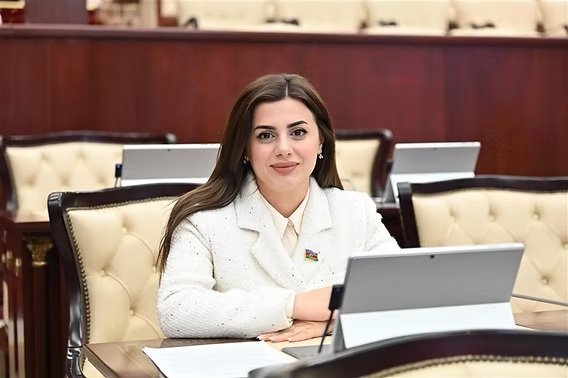
Member of the Parliament of Azerbaijan and Member of the Foreign and Inter-Parliamentary Relations Committee.