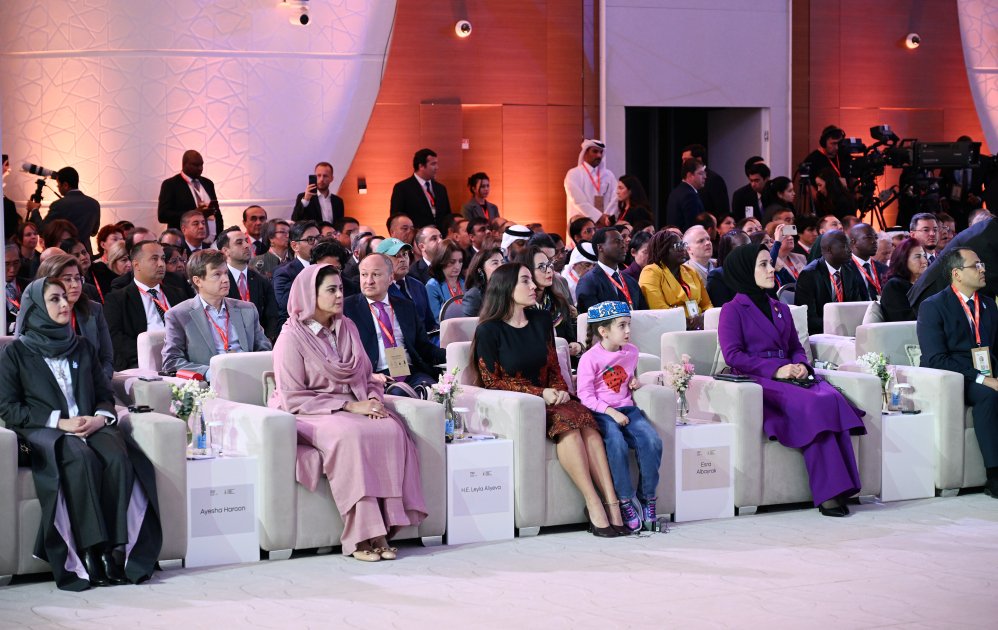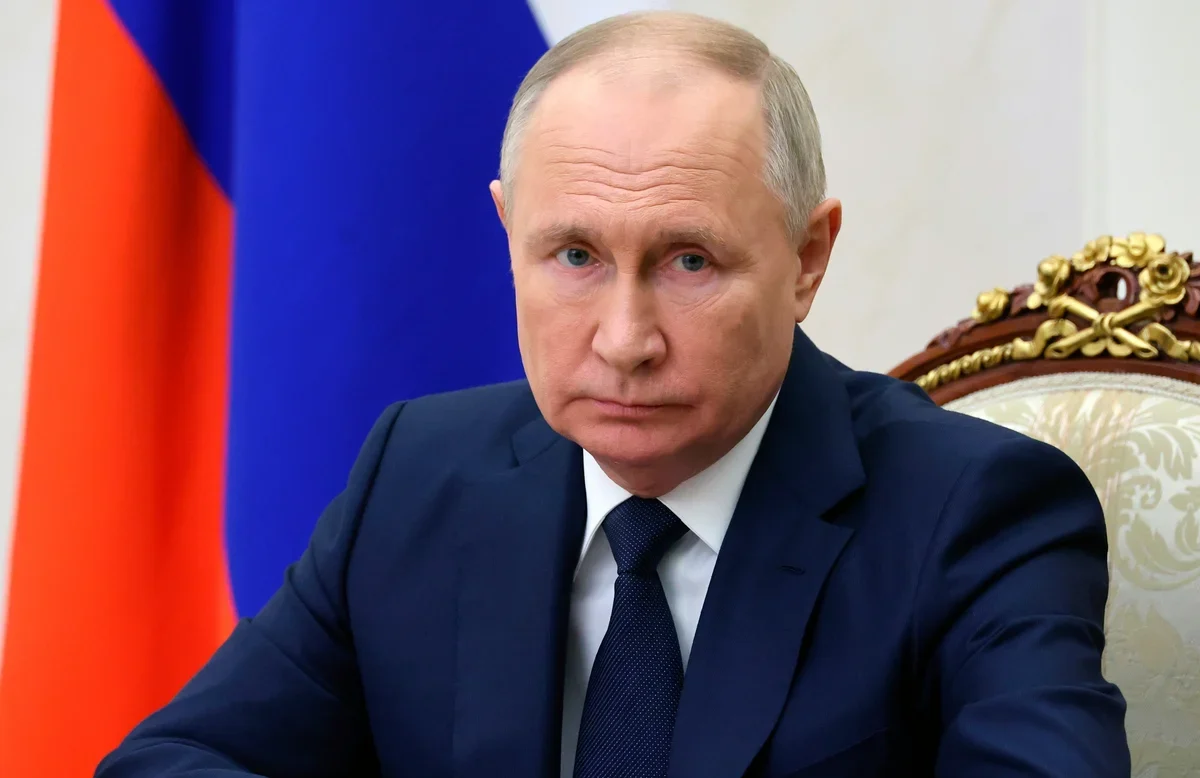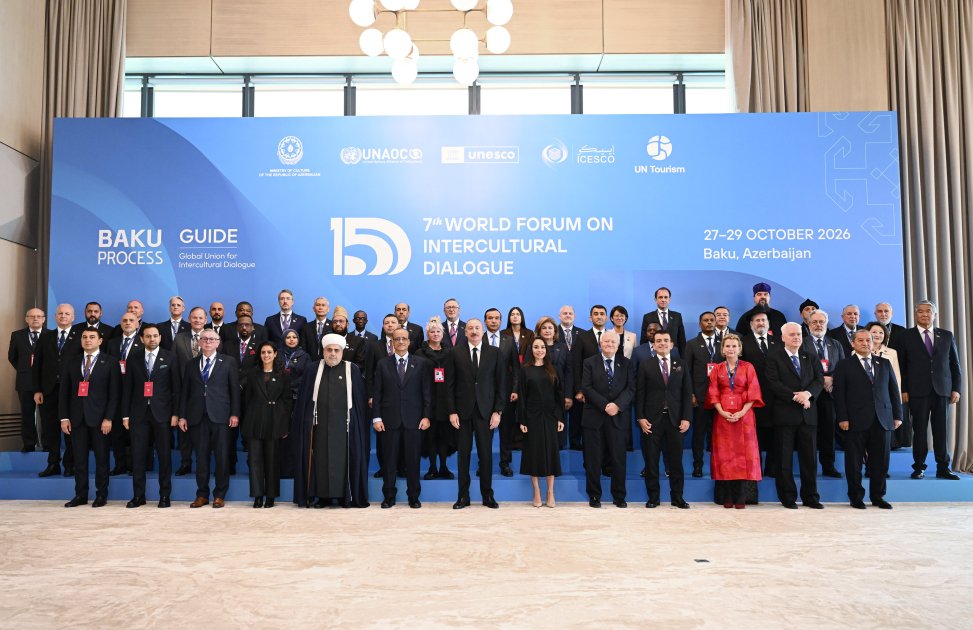
Baku, October 28, 2026 – The Europe Today: The 7th World Forum on Intercultural Dialogue, themed “Dialogue for a Shared Future,” opened in Baku on October 27, with Azerbaijani President Ilham Aliyev calling for greater international cooperation, mutual respect, the elimination of double standards and the promotion of peaceful coexistence among nations and cultures.
President Ilham Aliyev attended the opening ceremony and delivered the keynote address, welcoming more than 2,000 registered participants, including over 500 foreign guests from more than 100 countries.
The forum, which marks the 15th anniversary of the first World Forum on Intercultural Dialogue held in 2011, has developed into an important international platform for addressing intercultural and interreligious relations and other pressing issues on the global agenda.
In his address, President Aliyev emphasized Azerbaijan’s longstanding traditions of multiculturalism, religious tolerance and ethnic harmony, describing the country as a historical cultural bridge between Europe and Asia.
He said representatives of different ethnic groups and religious communities in Azerbaijan enjoy equal constitutional rights and live together in an atmosphere of solidarity, mutual respect and understanding. According to the president, these values have played a significant role in the country’s stability and development.
Aliyev also highlighted the importance of preserving national identity, statehood and independence, stressing that ideological challenges can be as dangerous as physical threats.
Reflecting on Azerbaijan’s 35 years of restored independence, he said the country had preserved its language, traditions and cultural identity while pursuing economic development and strengthening its position in the international community.
Addressing the Armenia-Azerbaijan conflict, the president said decades of unsuccessful negotiations had failed to resolve the dispute, which he described as having remained frozen for approximately 30 years.
He stated that Azerbaijan restored its territorial integrity through the 2020 Second Garabagh War and the 2023 anti-terrorist operation, bringing an end to the occupation of its internationally recognized territories.
Aliyev said Azerbaijan had acted in accordance with international law and the right to self-defence under Article 51 of the United Nations Charter. He also criticized the failure to implement four UN Security Council resolutions adopted in 1993, which called for the withdrawal of Armenian forces from Azerbaijani territories.
The Azerbaijani president called for effective mechanisms to ensure the implementation of decisions adopted by international organizations, arguing that selective enforcement undermines confidence in the international system.
He also urged the international community to eliminate double standards in international relations, stressing that no country should claim the moral authority to dictate how an independent state should govern itself or conduct its domestic affairs.
“Any sign of disrespect, any sign of baseless feelings of superiority, and baseless feelings that one can dictate something to us have been and will always be met with our resistance and a very firm approach,” Aliyev said.
The president further emphasized that Azerbaijan did not seek an endless cycle of conflict and revenge, noting that the country had offered peace to Armenia following the restoration of its territorial integrity.
He said the peace agreement initialled in Washington in the presence of US President Donald Trump represented an important step towards a new regional reality. Aliyev encouraged countries currently experiencing armed conflicts to examine Azerbaijan’s experience in ending hostilities and pursuing peace.
Turning to Azerbaijan’s growing international role, Aliyev highlighted the country’s strategic partnerships with China and the United States, established through declarations and agreements signed in 2025. He also referred to Azerbaijan’s strategic partnership arrangements with 10 European Union member states.
He announced that Azerbaijan would host the summit of the Organisation of Islamic Cooperation (OIC) in 2027 and chair the organization, which brings together nearly 60 countries. Baku is also scheduled to host the European Political Community summit in 2028.
Aliyev additionally highlighted Azerbaijan’s role in the Conference on Interaction and Confidence Building Measures in Asia (CICA), noting that the country’s chairmanship had been unanimously extended for another two years. He also referred to Azerbaijan’s participation as a full member in the Central Asia Consultative Format.
On economic development, the president pointed to Azerbaijan’s low public debt, growing role in international energy markets and strategic importance as a transport and connectivity hub linking different regions.
He said the combination of economic potential, an active foreign policy, inclusive society and multicultural traditions provided a strong basis for the country’s continued development.
Aliyev concluded by expressing confidence that the forum would facilitate meaningful discussions on intercultural dialogue, global security, peaceful coexistence and international cooperation.
International leaders highlight intercultural dialogue and cooperation
Addressing the opening ceremony, Miguel Ángel Moratinos, United Nations Under-Secretary-General and High Representative for the UN Alliance of Civilizations (UNAOC), thanked President Aliyev and the Azerbaijani government for hosting the forum.
Moratinos said the event reflected a longstanding partnership among Azerbaijan, the United Nations Alliance of Civilizations, UNESCO, ICESCO and UN Tourism. He also highlighted the role of the Baku Process in bringing together governments, civil society, international organizations and young people to advance intercultural cooperation.
He noted that an International Youth Forum had been held in Guba, with its activities continuing at the Heydar Aliyev Center in Baku, demonstrating how dialogue could bring together people from different cultural and religious backgrounds.
Ismail Ould Cheikh Ahmed, Secretary-General of the Organisation of Islamic Cooperation, praised Azerbaijan’s contribution to intercultural dialogue and its efforts to promote peace, security and stability.
He said the Baku Forum provided an important platform for participants from different regions to exchange views and build bridges in an increasingly fragmented world. He also commended Azerbaijan for upholding Islamic values and promoting interfaith coexistence.
Alexandre Zouev, Acting Under-Secretary-General of the United Nations Office of Counter-Terrorism (UNOCT), highlighted the importance of protecting religious and cultural sites against terrorist attacks.
He said attacks on cultural and religious heritage could generate fear and discrimination, making the protection of such sites essential to peaceful coexistence. Zouev also reaffirmed the importance of strengthening cooperation between the United Nations Office of Counter-Terrorism and Azerbaijan.
Salim bin Mohammed AlMalik, Director-General of the Islamic World Educational, Scientific and Cultural Organization (ICESCO), praised President Aliyev’s support for the Baku Process, describing it as a lasting international platform for intercultural dialogue.
He highlighted Azerbaijan’s support for educational initiatives in other countries, including efforts to restore more than 100 schools and construct 10 new ones in Syria, as well as programmes supporting girls’ education in Burkina Faso and Niger through the Heydar Aliyev Foundation.
AlMalik also referred to ICESCO technical missions to Garabagh and East Zangezur, which documented the destruction of cultural heritage during the occupation. He stressed that protecting human dignity and preserving cultural heritage should remain central to international dialogue.
Shaikha Al Nuwais, Secretary-General of UN Tourism, commended Azerbaijan’s efforts to bring together countries with differing perspectives through international platforms, including the recent CICA Summit in Baku.
She said that although differences remained among participating countries, their willingness to engage and adopt a joint declaration demonstrated the potential of dialogue to build trust and strengthen cooperation.
Åsa Regnér, Deputy Director-General of UNESCO, emphasized the importance of the organization’s cooperation with Azerbaijan in promoting intercultural understanding.
She highlighted a new initiative on intercultural digital competencies launched in Baku, aimed at integrating critical thinking and cultural awareness into digital education. She also underlined the importance of engaging young people in peacebuilding.
Regnér said UNESCO would continue working with Azerbaijan and international partners to transform intercultural dialogue into practical measures that support peace among nations and peoples.
The opening ceremony concluded with a shared emphasis on strengthening international cooperation, protecting cultural and religious heritage, promoting mutual understanding and translating dialogue into concrete action for a more peaceful and inclusive world.