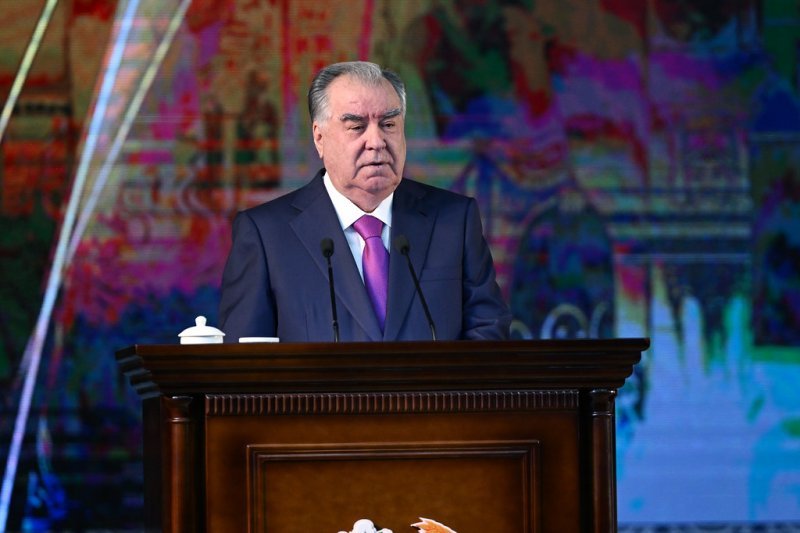
Dushanbe, September 8, 2026 – The Europe Today: President of Tajikistan Emomali Rahmon has called for a new phase of cultural, scientific and intellectual cooperation among Tajiks and Persian-speaking peoples worldwide, stressing the importance of preserving historical heritage while adapting it to the demands of the modern era.
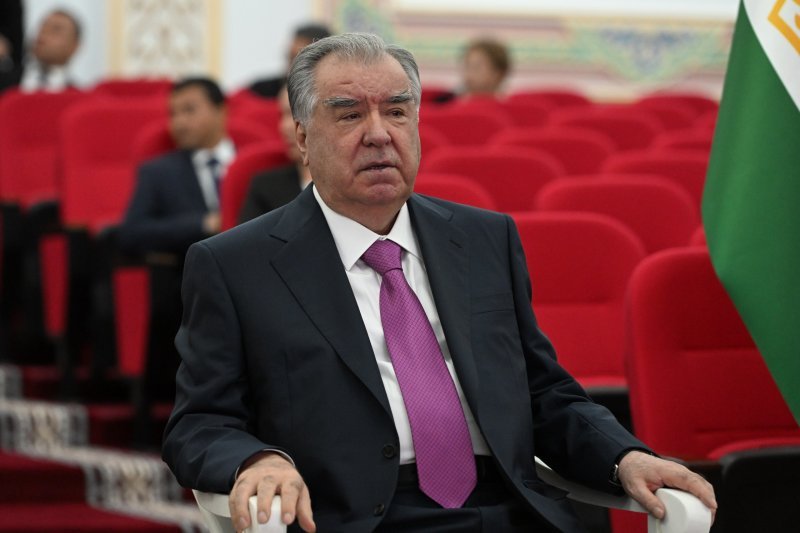
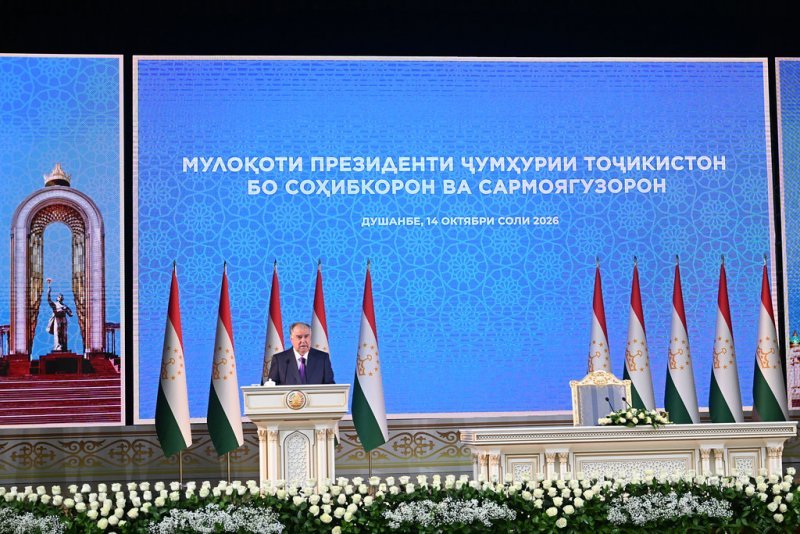
Addressing a scientific forum of the International Association of Tajiks and Persian-Speaking Peoples “Payvand” in Dushanbe, President Rahmon said the gathering, held under the theme “Independent Tajikistan — A Link between Aryan Civilisation and the Modern World,” marked an important stage in the development of the association’s activities.
The forum was held in connection with Tajikistan’s 35th anniversary of state independence and brought together scholars, intellectuals and cultural figures from Tajikistan and abroad.
President Rahmon welcomed the participants to Tajikistan, describing the country as a home of hope for Tajiks around the world. He said the active participation of foreign guests in the independence celebrations reflected respect for the language, culture, history, civilisation and shared spiritual values of Persian-speaking peoples.
He emphasised that in an era of growing competition among identities, languages, values and interests, spiritual and cultural solidarity among Persian-speaking peoples has acquired particular importance.
According to the President, the Payvand Association represents a unique institution established during Tajikistan’s independence period and has developed into a broad platform for bringing together Tajiks and Persian-speaking communities worldwide.
Rahmon recalled that when the association was established in 1993, its principal objective was to restore historical relations and expand scientific and cultural ties among Persian-speaking peoples. He praised Tajiks living abroad and Persian-speaking communities for their contribution to promoting independent Tajikistan and strengthening its international reputation.
He said that wherever the Tajik-Persian language is spoken and the works of prominent literary figures including Rudaki, Ferdowsi, Saadi, Hafez, Jami, Kamal Khujandi, Bedil, Ayni and Tursunzoda are celebrated, the cultural legacy of the Persian-speaking world remains alive.
The President called on members of Payvand to move beyond simply preserving the legacy of the past and to enrich it with new knowledge, scientific achievements and forms compatible with contemporary life.
He stressed that civilisation should not be viewed merely as a collection of historical memories and monuments, but as a living and dynamic force capable of shaping the future.
Rahmon said the preservation of cultural values, advancement of science and education, cultivation of historically conscious and patriotic generations, and proper presentation of Tajik heritage internationally constitute a responsibility to the civilisation of the ancestors.
He described the Aryan civilisation as an important historical and cultural foundation and emphasised the need to preserve its legacy within national and intellectual consciousness.
The President also highlighted plans to establish a “Palace of Aryan Civilisation” and an “International Navruz Centre” in Dushanbe.
He said the Palace of Aryan Civilisation would serve as a cultural, scientific and educational institution dedicated to presenting the history of Aryan peoples and their contribution to ancient civilisation.
The International Navruz Centre, he added, could become a distinctive global cultural institution promoting Navruz not simply as a seasonal celebration, but as a philosophy of life, peace and renewal.
Rahmon said such an institution would represent Tajikistan’s contribution to preserving humanity’s cultural heritage, encouraging dialogue among civilisations and strengthening the country’s role as a centre of Navruz civilisation.
He also called for greater attention to teaching the ancestral script and improving its study in educational institutions, stressing the importance of ensuring that future generations can access the historical and literary heritage preserved in that script.
Reflecting on Tajikistan’s independence, Rahmon said the country’s 35-year journey had been accompanied by efforts to restore historical memory, strengthen national identity and revive traditional cultural practices.
He recalled the difficult years following independence, saying that the experience had reinforced the value of statehood, peace, national unity and social cohesion.
The President noted that issues concerning language, history, culture, national traditions, state symbols and spiritual heritage became central elements of national consciousness during the early years of independence.
He stressed that the 35th anniversary of independence should be viewed not only as an occasion for remembrance but also as a new stage in the history and development of the Tajik state.
Rahmon said Tajiks should seek recognition in the coming decades not only as a nation with a proud historical legacy, but also as a progressive and constructive society capable of generating knowledge, developing technologies, advancing contemporary culture and pursuing effective diplomacy.
In this regard, he said, the Payvand Association could become a coordinating centre for the intellectual, economic and cultural potential of Tajiks around the world.
The President highlighted a series of initiatives undertaken during the independence period to revive and promote national and ancient traditions, including Navruz, Sada, Mehrgon and Tirgon.
He also cited the publication and distribution of major historical and literary works, including Bobojon Ghafurov’s “The Tajiks” and Abulqasim Ferdowsi’s “Shahnameh”, as important measures for strengthening historical consciousness and reconnecting society with its ancestral heritage.
Rahmon described the works of leading Tajik and Persian scholars and writers as more than literary and scientific heritage, saying they also constitute a source of spirituality, humanism, patriotism and constructive thought.
He further highlighted the establishment of the international Abu Ali ibn Sina Prize in medicine, expressing confidence that the initiative would contribute to scientific diplomacy and promote Tajikistan as a venue for international dialogue on humanity’s scientific heritage.
Language was another central theme of the President’s address. He described the Tajik language as a fundamental pillar of statehood, a repository of national thought, a reflection of culture and a lasting bridge connecting generations and Persian-speaking communities around the world.
Rahmon called on the Payvand Association to make the preservation, promotion and expansion of the Tajik language a permanent priority.
“We must not only cherish our language, but transform it into a powerful language of science, technology, modern innovation, economics and diplomacy,” he said.
He stressed that young people should be encouraged to use the language in scientific research, analytical work, technological development and innovation, including programming and engagement with the wider world.
The President also called for stronger efforts to promote historical knowledge among younger generations, particularly Tajiks living abroad, saying that a deeper understanding of their heritage would strengthen national identity and confidence.
He urged greater research, publication and translation of historical, scientific and cultural heritage, including manuscripts, written monuments, oral traditions and the works of prominent thinkers.
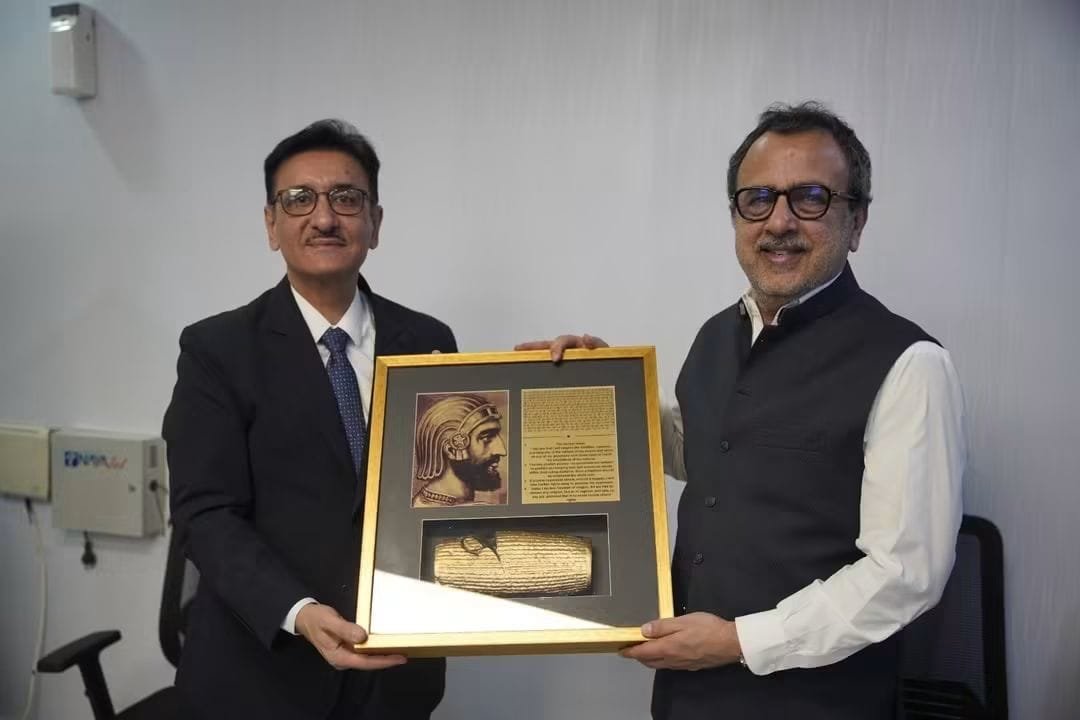
Rahmon highlighted the historical legacy associated with Cyrus the Great, describing his state-building achievements and traditions of justice and tolerance as an important source of pride.
Turning to the role of knowledge in the 21st century, the President said a nation’s standing is increasingly determined by its intellectual capacity, rather than solely by natural resources, military strength or geographic position.
He stressed that science, education, innovation and invention are now among the principal drivers of competitiveness, scientific independence and long-term development.
Rahmon proposed that Payvand contribute to establishing a modern network of scientific cooperation linking higher education institutions, research centres, overseas scholars and young researchers.
He called for joint research programmes, virtual academic courses, scientific mentorship, laboratory projects, translation and publication of scientific works, and exchanges of expertise in priority fields ranging from digital technologies and medicine to energy and linguistics.
The President also emphasised the importance of youth participation and said talented Tajiks inside and outside the country could work together in support of independent Tajikistan.
Addressing global challenges, Rahmon said the international community is facing serious security, political, cultural and ethical pressures, including armed conflicts, terrorism, extremism, radicalism, economic and financial crises and the consequences of climate change.
He stressed that promoting peace and security is not solely the responsibility of states, but also requires the involvement of civil society, cultural organisations and intellectuals.
The President said Tajikistan, having experienced the consequences of conflict and the value of peace and national unity, could convey a meaningful message of peace, dialogue, tolerance and mutual understanding to the international community.
He referred to a United Nations General Assembly resolution on proclaiming the “Decade of Strengthening Peace for Future Generations”, an initiative promoted by Tajikistan, as an example of the country’s international peacebuilding efforts.
Rahmon called on Payvand to play a leading role in promoting the message of global peace through language, culture and its international network.
He proposed that the association’s future programme incorporate issues of peace and security, water, climate and sustainable development alongside the preservation of historical and spiritual heritage.
The President said Payvand’s activities should move beyond symbolic gatherings and develop into a permanent system of initiatives, cooperation and coordination supported by modern information and communication technologies.
He proposed that the Dushanbe forum serve as the starting point for a new development programme for Payvand covering language, history, culture, science, economics, youth, innovation, digitalisation and cultural diplomacy.
Concluding his address, Rahmon expressed the vision of Tajikistan becoming not only a country of stability, peace and development, but also a centre of constructive ideas, living culture, international initiatives and cooperation among Persian-speaking peoples.
He called for the Tajik-Persian language, the rich literary heritage of Tajik and Persian peoples, and Aryan civilisation to remain sources of national unity, cultural identity and mutual understanding.
The President expressed confidence that international participants and Tajik intellectuals would contribute to implementing the forum’s objectives and further strengthening cultural, spiritual and social ties among Tajiks and Persian-speaking communities worldwide.