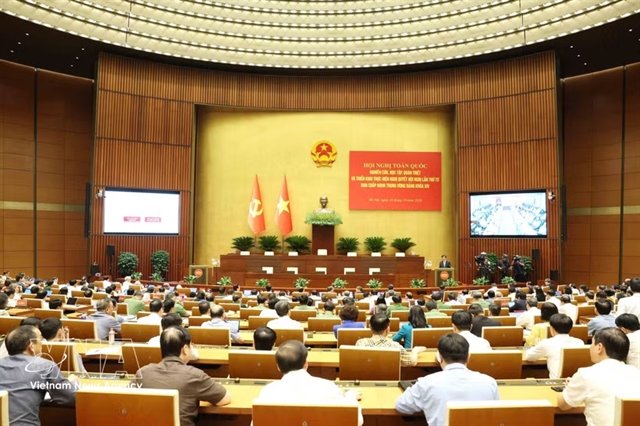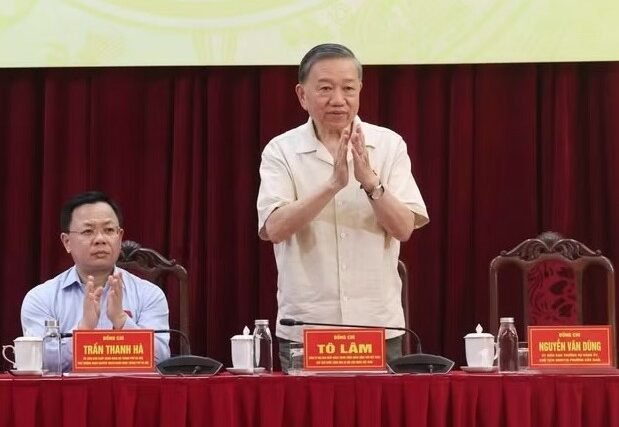
Hanoi, September 28, 2026 — The Europe Today: General Secretary of the Communist Party of Viet Nam Central Committee and State President Tô Lâm has called on Hanoi to take the lead in establishing new standards for urban governance, science and technology, digital transformation, green development, culture, public services and quality of life.
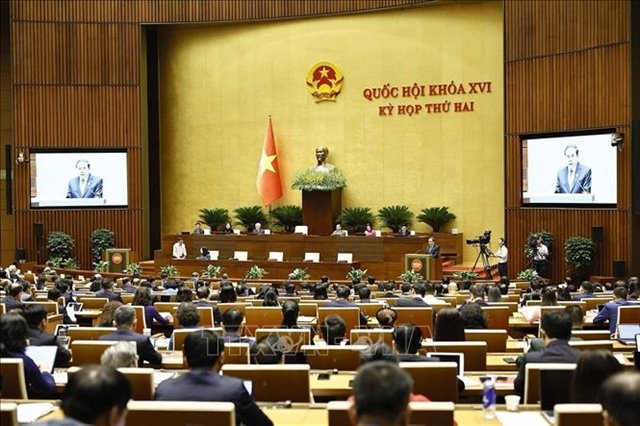
Tô Lâm made the remarks while meeting voters from 10 wards in Election Constituency No. 1 of Hanoi on Sunday ahead of the second session of the 16th National Assembly. He thanked voters for their candid and responsible opinions and briefed them on major developments in the country.
He noted that 2026 marks the first year of implementing the Resolution of the 14th National Party Congress, as well as the first year of the 16th National Assembly’s tenure and the 2026–2031 term of the State apparatus.
The Party General Secretary and State President stressed the need to ensure that there is no delay between policy resolutions and implementation, or between decisions and tangible improvements in people’s lives.
He said laws should not only serve administrative management but also facilitate development, while outdated regulations should not become obstacles to economic growth. Greater attention should be given to removing bottlenecks, mobilising resources for national development and protecting the lawful and legitimate rights and interests of citizens.
According to Tô Lâm, economic growth should ultimately be reflected in people’s living standards, including better employment and incomes, improved schools and hospitals, suitable housing, a cleaner environment and more responsive public services.
He stressed that development could not be considered complete if legitimate day-to-day concerns of the people remained unresolved.
Against this backdrop, he urged Hanoi to move forward and establish new standards while modernising the capital and preserving its cultural identity, historical values, distinctive landscapes and character.
Addressing urban planning, land policies and major projects, Tô Lâm said Hanoi was entering an important period of development, with its long-term master plan being concretised through projects that could shape the capital for decades.
He called on municipal authorities to maintain dialogue with residents, provide comprehensive information and carefully consider legitimate opinions from citizens, experts and scientists. Land acquisition, compensation, support and resettlement, he said, must be transparent and ensure a balance of interests.
He also called for fundamental improvements in land management so that land could become an effective resource for development while protecting people’s legitimate rights.
On grassroots administration, Tô Lâm urged authorities to decisively address institutional and operational bottlenecks and seriously review voter feedback and difficulties faced by local administrations.
He stressed that streamlining the administrative apparatus should not mean applying uniform staffing levels everywhere. Decentralisation must be accompanied by adequate personnel, resources, data and accountability, while issues that can be resolved locally should be handled at the grassroots level.
The leader said effective engagement with citizens requires authorities to remain close to the people, understand their concerns and respond to their legitimate needs. The effectiveness of grassroots administration, he noted, should ultimately be measured by whether people need to make fewer trips, receive services more quickly and have their petitions addressed clearly and promptly.
Regarding education and healthcare, Tô Lâm said implementation should be assessed through tangible outcomes for citizens. Primary healthcare should serve as the first point of care, while training programmes should be aligned with social and economic demand and supported by technology and data connecting grassroots facilities with higher-level institutions.
He further stressed that social and resettlement housing should provide stable and convenient living conditions rather than merely meeting basic accommodation needs.
On environmental protection, the Party General Secretary and State President called for a shift from ad hoc responses to regular governance and preventive measures, supported by data, monitoring systems and public information to address pollution.
He also called for stronger food safety controls across the entire production and distribution chain, including improved traceability and strict action against violations.
Tô Lâm expressed confidence that, drawing on Hanoi’s thousand-year cultural heritage, available resources and the aspirations of its Party organisation, authorities and people, the capital would translate major policies into concrete results and achieve development that is not only rapid but also high-quality, culturally distinctive and more liveable.