Dushanbe, October 22, 2026 – The Europe Today: Tajikistan has signed grant agreements worth a combined $84.44 million with the Asian Development Bank (ADB) and the Japan International Cooperation Agency (JICA) to support social security modernisation, healthcare services and electricity infrastructure development.
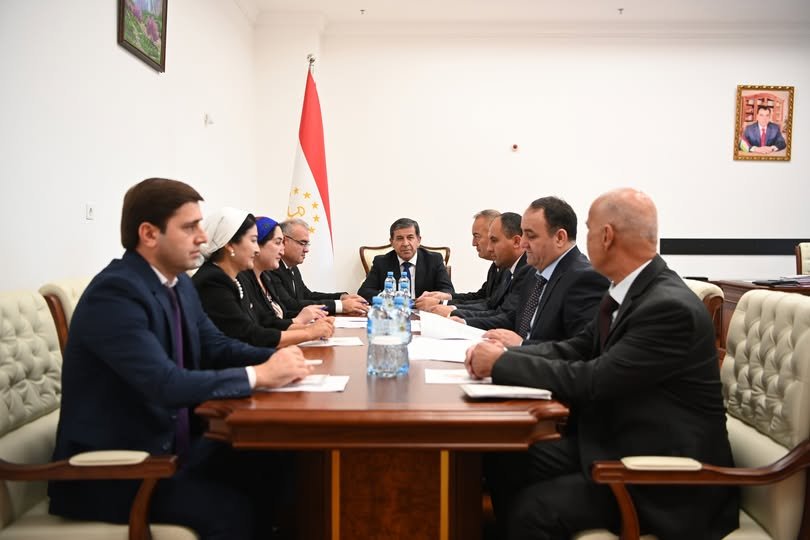
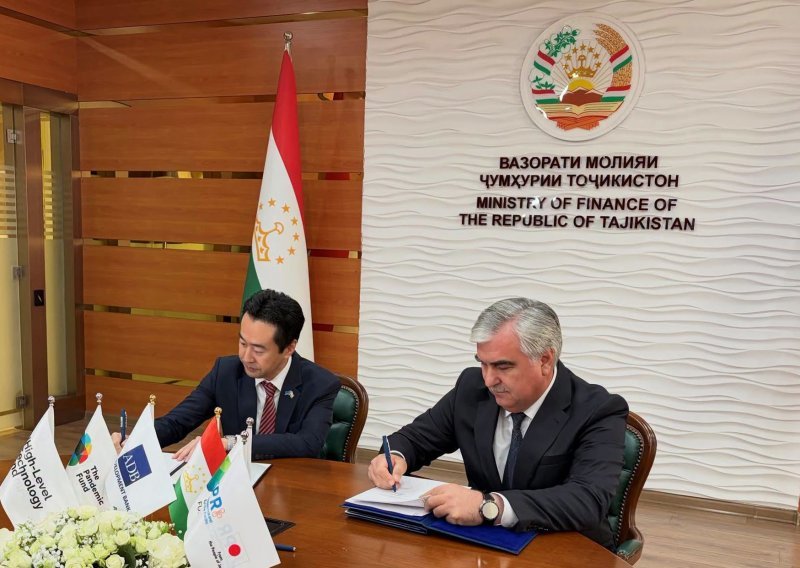
According to the Ministry of Finance of Tajikistan, Finance Minister Faiziddin Qahhorzoda and ADB Country Director for Tajikistan Ko Sakamoto signed two grant agreements worth $63.84 million in Dushanbe on October 21.
The first grant, amounting to $20.57 million, will finance the project titled “Modernisation and Digitalisation of the Social Insurance System,” while the second, worth $43.27 million, will support the project “Integrated Regional Health Security and Primary Health Care Services.”
The social insurance project aims to strengthen the sustainability of the pension system, expand social coverage through digitalisation, enhance the institutional capacity of the Social Insurance and Pensions Agency, and address demographic, economic, gender-related and climate change challenges.
The healthcare project seeks to strengthen the country’s health system so it can respond promptly and effectively to cross-border health threats, prevent emergencies and emerging infectious diseases, and improve the resilience and efficiency of healthcare services.
Separately, Tajikistan and the Japan International Cooperation Agency signed a grant agreement worth $20.6 million for the project “Construction of a Substation for Dushanbe’s Main Power Transmission System.”
The project aims to improve the reliability of electricity supplies in the capital through the construction of a new 220-kilovolt power transmission substation. It is also expected to support the development of the country’s economic and industrial infrastructure.
The agreements reflect ongoing cooperation between Tajikistan and its international development partners in strengthening social protection, improving public healthcare preparedness and modernising critical energy infrastructure.