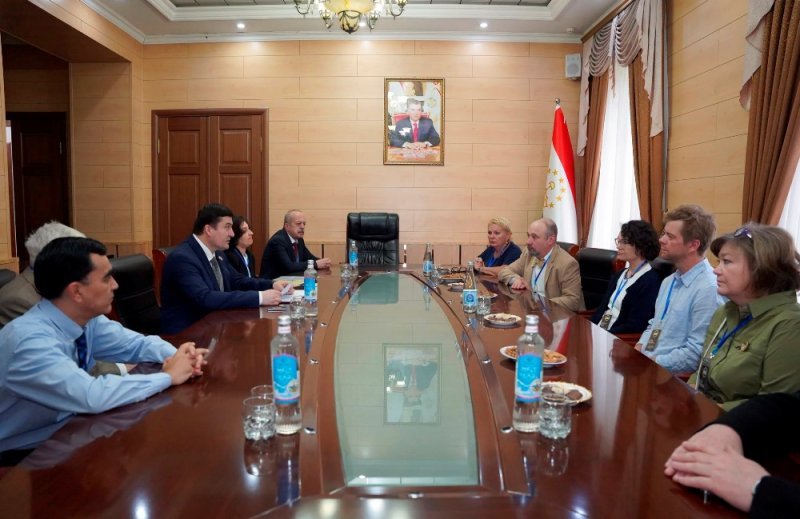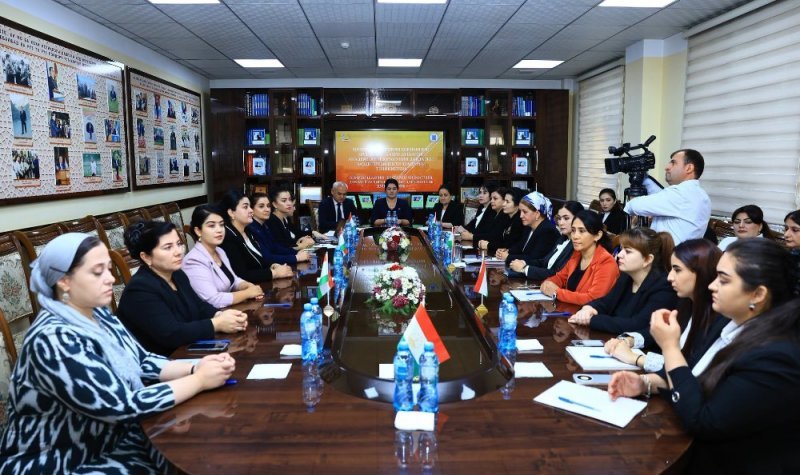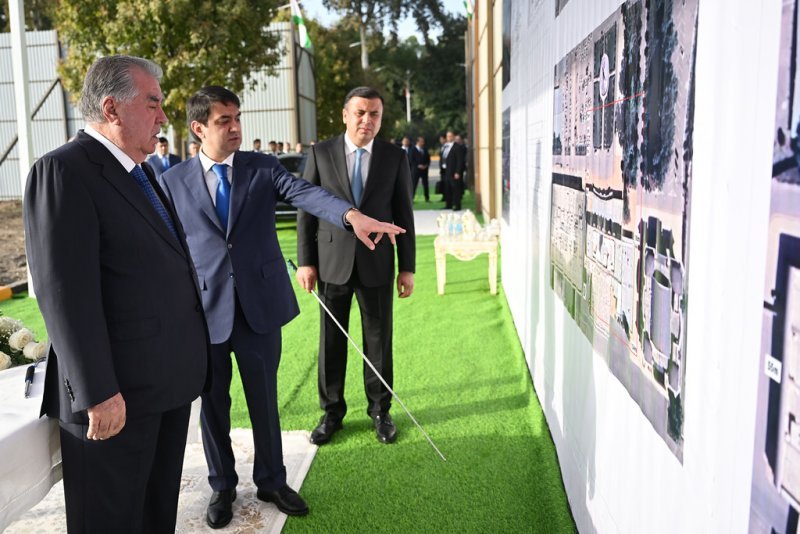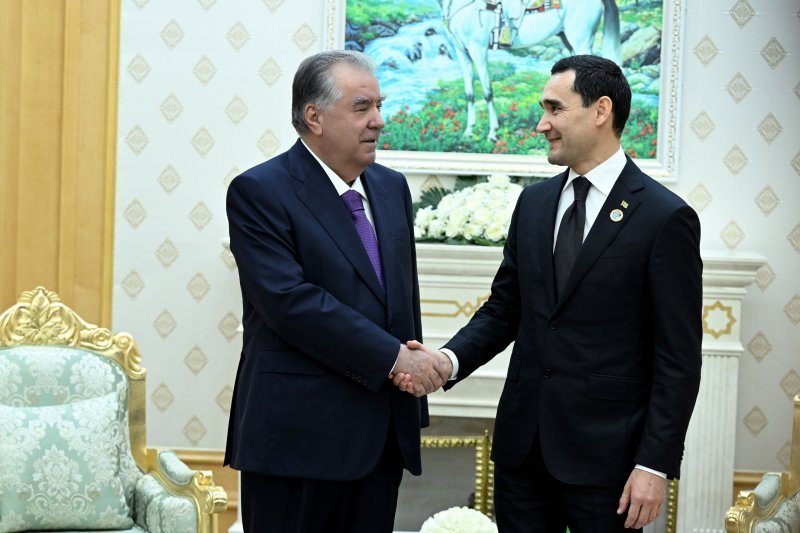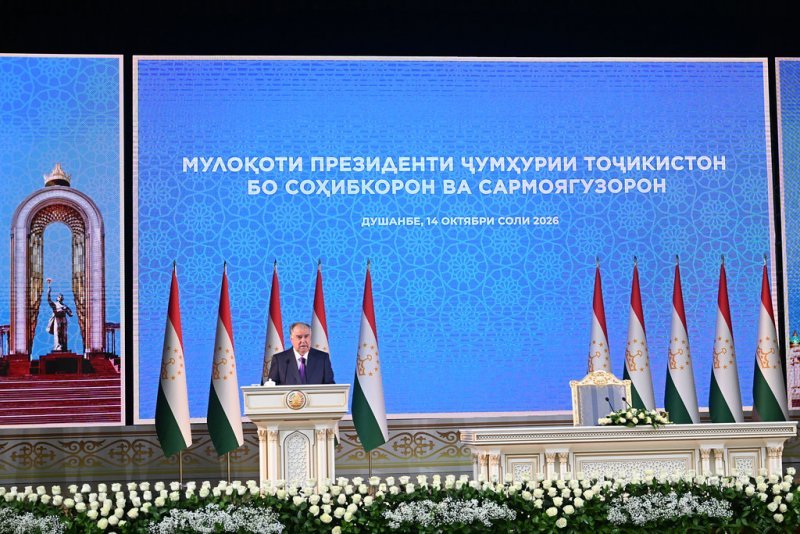
Dushanbe, October 15, 2026 – The Europe Today: President of Tajikistan Emomali Rahmon met with domestic entrepreneurs and investors at the Kohi Vahdat complex on October 14 to mark Entrepreneurs’ Day, reaffirming the government’s commitment to supporting private enterprise, attracting investment and accelerating sustainable economic development.
Congratulating entrepreneurs on the occasion, President Rahmon praised their contributions to national development, domestic production and infrastructure construction, describing their efforts as a reflection of patriotism and civic responsibility.
He highlighted the contribution of entrepreneurs, investors and philanthropists to preparations for the 35th anniversary of Tajikistan’s independence. According to the figures presented at the meeting, entrepreneurs have actively participated in the construction and renovation of more than 36,000 industrial, social and infrastructure facilities, including thousands of kilometres of roads.
Since independence, entrepreneurs and philanthropists have helped establish and renovate more than 3,300 industrial enterprises and workshops, over 4,300 educational facilities, 2,200 healthcare facilities, 2,080 sports grounds and 5,100 service facilities. Their contributions have also supported the renovation of 15,000 kilometres of local roads and the construction of 734 bridges.
The president noted that entrepreneurs had created more than four million jobs over the past 25 years. He expressed gratitude to domestic businesspeople, investors and philanthropists for their role in the country’s development, while also thanking foreign investors for their confidence in Tajikistan and their cooperation in implementing economic projects.
President Rahmon emphasized that private property, freedom of entrepreneurial activity and fair competition had been recognized as fundamental principles of the national economy since the country’s transition to market relations. He said the government was continuing to implement measures to develop the private sector, protect property rights and improve conditions for investors.
He highlighted state support measures, including tax and customs incentives, the introduction of electronic services and a moratorium on inspections of business entities.
According to the president, the private sector now accounts for approximately 70 per cent of the country’s gross domestic product and employment, while contributing more than 80 per cent of state tax revenues. He added that Tajikistan currently has around 395,000 business entities, an increase of 20,000 compared with the same period last year.
Rahmon reported that Tajikistan’s gross domestic product reached 177 billion somoni in 2025, with real economic growth standing at 8.4 per cent. During the first nine months of 2026, the national economy grew by 8.3 per cent.
He stressed that economic growth must translate into improved living standards, increased production of competitive goods and the creation of productive employment opportunities.
Setting out future economic priorities, the president called for doubling exports of processed products by 2030 and increasing the share of loans directed towards production to more than 40 per cent of the banking system’s total loan portfolio.
He also referred to the adoption in 2025 of the Law on Investment and the Promotion of Investment Activity and the approval of the Investment Attraction Strategy through 2040. He called for the consistent implementation of these measures to attract investment into new production facilities, modern technologies, job creation and export-oriented industries.
The president urged government agencies and business owners to identify and reactivate underutilized industrial capacities. He emphasized that the success of new enterprises should be assessed not merely by their number but also by their production capacity, technological standards, permanent employment opportunities and competitiveness in domestic and international markets.
President Rahmon also encouraged entrepreneurs to expand investment beyond major cities and direct greater resources towards remote and mountainous regions. He instructed the government to develop a mechanism to support industrial projects in these areas.
In addition to manufacturing, entrepreneurs were encouraged to invest in tourism infrastructure, including hotels, resorts and service centres, particularly in remote and mountainous districts with significant tourism potential.
The president further stressed the importance of digital transformation in production and management, data integration and professional training. He instructed the government and relevant authorities to prepare a comprehensive plan for developing digital entrepreneurship within three months, with implementation scheduled to begin in 2027.
He urged businesses to digitize accounting, sales, production management and quality control systems and to use artificial intelligence for data analysis and informed decision-making. Greater investment in industry and agriculture was also encouraged.
In a key announcement aimed at improving the business environment, President Rahmon called for extending the moratorium on inspections of business entities, excluding tax inspections, for another two years, until January 1, 2029.
He stressed that protecting lawful business activities and preventing unjustified interference were continuing responsibilities of government agencies. From January 1, 2027, inspections of other business entities are to be conducted in accordance with the law and risk-assessment procedures, ensuring transparency, proper authorization and clear justification.
Relevant authorities were instructed to monitor compliance with the moratorium and ensure that business inspections followed the established procedures.
The president also directed the government to ensure that all major registration, authorization and licensing services were fully transferred to electronic formats by the end of 2027 to simplify administrative procedures for businesses and investors.
During the meeting, Rahmon also addressed the development of women’s and youth entrepreneurship, the activities of Tajik entrepreneurs abroad, the acquisition of international experience, the promotion of the country’s economic and investment potential, the establishment of reliable partnerships, the introduction of modern technologies and the expansion of domestic products into foreign markets.
He expressed confidence that entrepreneurs would continue contributing to Tajikistan’s development through innovative initiatives, transparent business practices and responsible participation in major national projects.
Following the president’s address, several participants shared their views on business development and government support. Speakers included entrepreneurs Lutfiya Umarova from Dushanbe, Hamdam Davlatmamadov from the Gorno-Badakhshan Autonomous Region, Gulbuy Vohidova from Khatlon Region and Mansur Umarov from Sughd Region.
They discussed government measures to support entrepreneurship, including tax and customs incentives, and expressed their views on creating favourable conditions for business growth and investment.