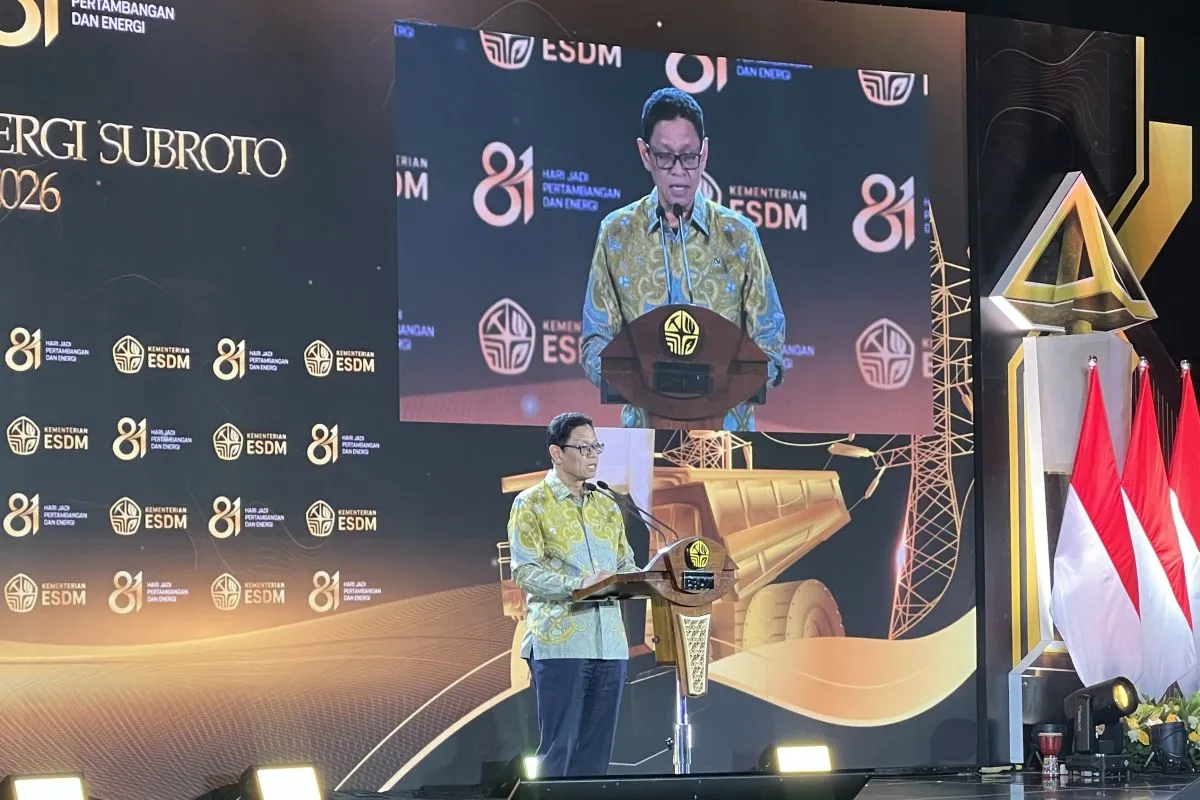
Jakarta, October 24, 2026 – The Europe Today: Indonesia’s energy transformation is progressing in the right direction towards achieving national energy sovereignty, increasing domestic added value, creating jobs and improving public welfare, Deputy Minister of Energy and Mineral Resources Yuliot Tanjung said.
Speaking at the 2026 Subroto Energy Award Night in Jakarta on Friday, October 23, Tanjung highlighted the government’s progress in strengthening domestic energy production, expanding renewable energy use and improving access to electricity across the country.
“Indonesia’s energy transformation is on the right track toward national energy sovereignty, domestic added value, job creation, and public welfare,” he said.
In the oil and gas sector, Tanjung noted that Indonesia had exceeded its oil lifting target under the 2025 State Budget (APBN). Against a target of 605,000 barrels per day, the country achieved production of 605,300 barrels per day.
He described the achievement as significant, noting that it represented progress after nine years of efforts to improve domestic oil production.
For 2026, the government is seeking to increase oil lifting to 610,000 barrels per day. However, operational and production-related challenges have prevented the target from being achieved so far.
Tanjung said the government was continuing to work with relevant stakeholders to overcome these obstacles and improve production performance.
In the renewable energy sector, he highlighted the implementation of the B50 biodiesel programme in July 2026 as a major government initiative to diversify the country’s energy sources and reduce dependence on petroleum.
According to Tanjung, the B50 programme has helped diversify fuel use by approximately 310,000 barrels of petroleum per day. Indonesia’s current oil consumption stands at around 1.6 million barrels per day.
He explained that the country continues to rely on imported crude oil and refined petroleum products to meet the remaining demand, with imports undertaken by various business entities.
The deputy minister also highlighted progress in expanding electricity access nationwide. Indonesia’s electrification ratio has reached 99.85 per cent, reflecting continued efforts to extend power infrastructure to communities across the archipelago.
He stressed that ensuring electricity access for every village remained a government priority, adding that access to energy was a public right and an essential responsibility of the state.
Tanjung further highlighted the government’s efforts to advance 18 priority downstream processing and energy security projects, with a combined investment value of approximately Rp618 trillion. Most of these projects are located outside Java, supporting the government’s broader efforts to promote regional development and distribute investment more evenly across the country.
Despite the progress achieved, he acknowledged that considerable work remained to strengthen Indonesia’s energy sector.
He identified reducing dependence on energy imports, improving the investment climate, enhancing national energy security and ensuring the equitable distribution and reliability of energy supplies as key priorities.
Tanjung reaffirmed the government’s commitment to working with industry stakeholders and other relevant parties to address these challenges and advance Indonesia’s long-term energy transformation.
The government’s strategy combines efforts to increase domestic oil production, expand the use of alternative fuels, improve electricity access and accelerate downstream industrial development to strengthen energy independence and support sustainable economic growth.