Islamabad, October 26, 2026 – The Europe Today: Prime Minister Shehbaz Sharif has launched a nationwide initiative to distribute 500,000 internet-enabled Chromebooks among talented and deserving students over the next two years, reaffirming the government’s commitment to ensuring that financial hardship does not hinder access to quality education.
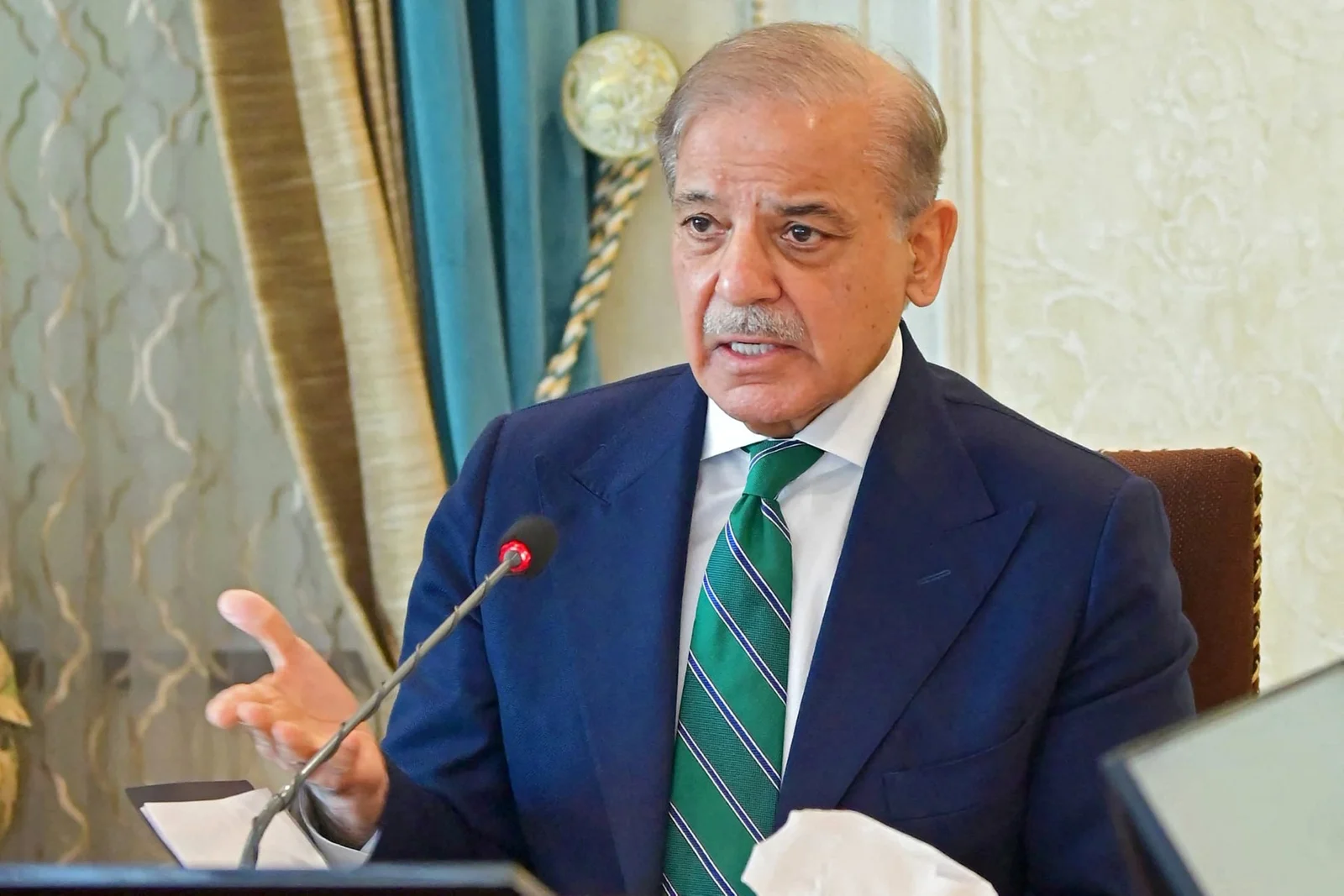
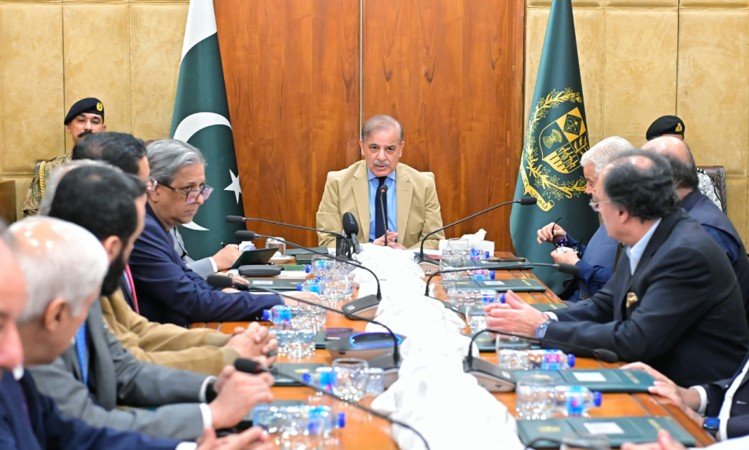
Addressing the launch ceremony of the Prime Minister’s Youth Chromebook Scheme on Sunday, the prime minister said providing modern educational facilities and digital technology to young people was a collective responsibility and essential to preparing them for an increasingly technology-driven world.
He said the devices would be distributed strictly on merit, with students from mainstream educational institutions and religious seminaries eligible to benefit from the programme.
The initiative aims to help students attend online classes, access digital libraries and educational resources, and pursue learning opportunities beyond the limitations imposed by their financial circumstances.
“Intelligence and hard work should not be held captive by wealth and poverty,” Shehbaz said, stressing that students’ abilities and dedication, rather than their economic backgrounds, should determine their eligibility.
The selected students are also being provided with bags and internet connectivity facilities. According to the prime minister, the connectivity component of the initiative could benefit an estimated 2.5 million people, including the families of participating students.
Building on Previous Laptop Distribution Programmes
Recalling earlier laptop distribution initiatives launched under former prime minister Nawaz Sharif, Shehbaz said approximately 600,000 laptops had been distributed on merit over nearly a decade to students across Punjab, Sindh, Khyber Pakhtunkhwa, Balochistan, Gilgit-Baltistan and Azad Jammu and Kashmir.
He said the government now intended to distribute 500,000 Chromebooks within two years to accelerate efforts to equip young people with the digital tools required for higher education and international competitiveness.
The prime minister highlighted the importance of the earlier laptop scheme during the COVID-19 pandemic, when students relied on digital technology to continue university classes and educational activities despite widespread disruption.
He noted that many beneficiaries had subsequently secured employment and pursued professional careers as doctors, engineers and specialists in other fields.
Shehbaz reiterated that education must remain a government priority regardless of students’ social or economic circumstances, describing knowledge and ability as lasting assets that could help individuals overcome financial challenges.
Ensuring Equal Opportunities for All Students
Emphasising the inclusive nature of the Chromebook scheme, the prime minister referred to Syed Shams Raza, a student whose father had been martyred, and Alma Mahak Sabir, a student from a religious seminary who shared her educational ambitions at the ceremony.
He praised Shams for continuing his studies despite personal hardships and commended Mahak for her confidence and determination.
Shehbaz said the country had many talented young people facing similar challenges and stressed that opportunities for educational advancement should remain accessible to students from all backgrounds.
He clarified that students enrolled in religious seminaries had also benefited from previous laptop distribution programmes alongside those studying at universities and colleges. The new initiative, he added, would follow the same principle, with merit and hard work serving as the primary criteria for selection.
Daanish Schools to Expand Access to Quality Education
The prime minister also highlighted the government’s efforts to improve access to quality education through the Daanish Schools programme.
He said he had recently inaugurated a Daanish School in Islamabad, while another 27 campuses were under construction across the country.
According to Shehbaz, these institutions would offer modern educational facilities, including smart boards, digital libraries, sports grounds, residential accommodation and meals, without charging students.
He stressed that financial constraints should not prevent children from receiving quality education and developing their full potential.
The prime minister also thanked Rashid Minhas, associated with the Tokyo Care Foundation, for supporting the Chromebook initiative, describing the contribution as a reflection of overseas Pakistanis’ confidence in the abilities and potential of the country’s youth.
Investment in Youth and Digital Transformation
Addressing the ceremony, Federal Minister for Education Khalid Maqbool Siddiqui said Pakistan needed to adapt to changing educational trends and transform its approximately 150 million young people into a productive national asset.
He emphasised that effective investment in youth was essential to ensuring that the country could translate its demographic potential into sustainable development and economic progress.
Tokyo Technology Care Foundation Chairman Rashid Minhas said the memorandum of understanding signed with the government was aimed at empowering students to become creators in the digital world and contribute to Pakistan’s digital transformation.
Chairman of the Prime Minister’s Youth Programme Rana Mashhood Ahmad Khan also welcomed the initiative, highlighting the contribution of overseas Pakistanis and renewed international confidence in creating opportunities for young people to excel in technology and innovation.
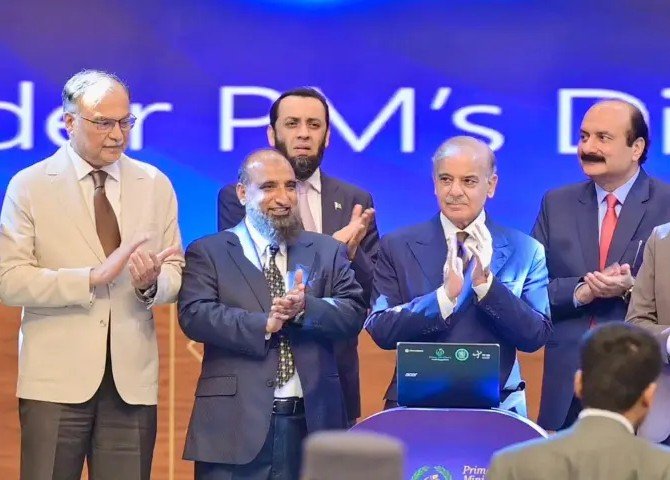
During the ceremony, the prime minister distributed Chromebooks among selected students.
The event was attended by federal ministers, parliamentarians, educationists, vice chancellors, diplomats and other distinguished guests.
Strengthening Pakistan’s Digital Education Infrastructure
The government has previously distributed approximately 600,000 laptops under the Prime Minister’s Youth Laptop Scheme, launched in 2014.
The latest initiative comes amid broader efforts to expand domestic technology production, including plans to establish a Chromebook assembly line in Pakistan in collaboration with Google and local institutions.
Through the new scheme, the government aims to broaden access to digital learning resources, strengthen educational inclusion and equip students with the technological skills needed to participate in an increasingly digital global economy.