Jakarta, November 3, 2026 – The Europe Today: Indonesia has successfully established a fully integrated downstream nickel industry, creating a comprehensive domestic electric vehicle (EV) battery ecosystem covering every stage from raw mineral extraction to finished battery cells, a senior minister has announced.
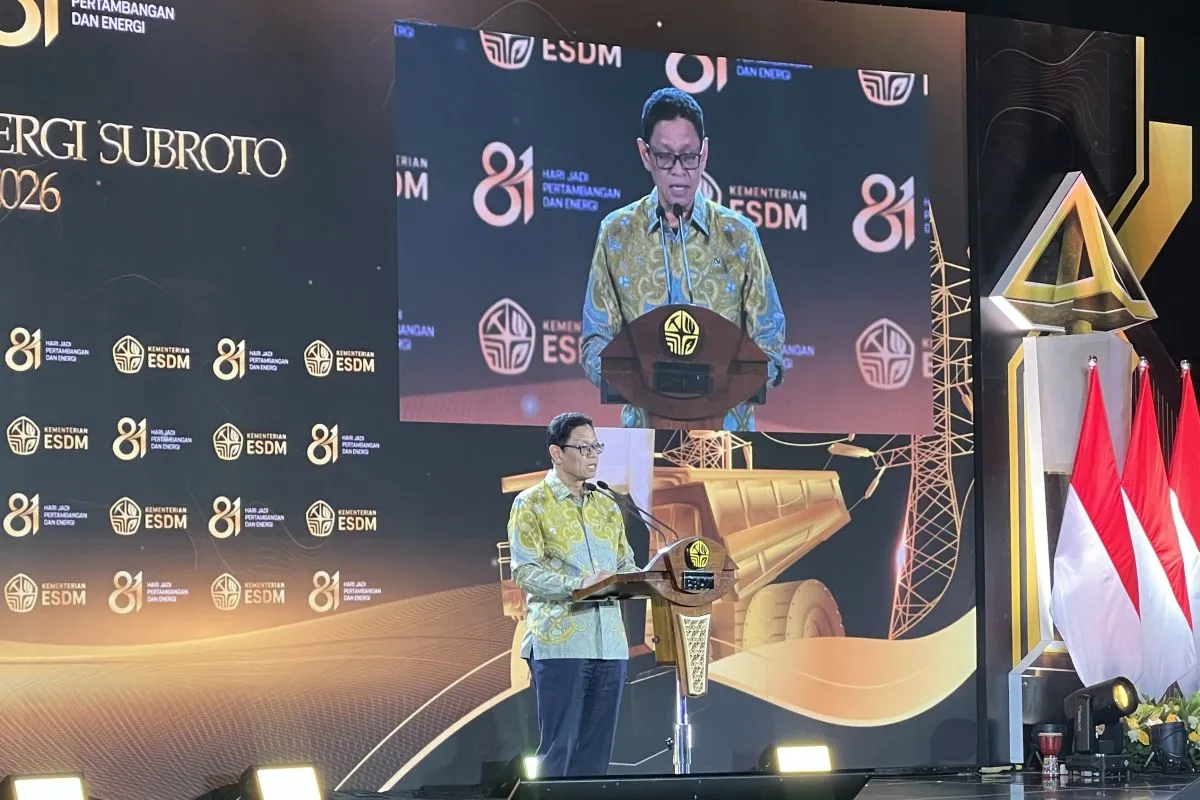
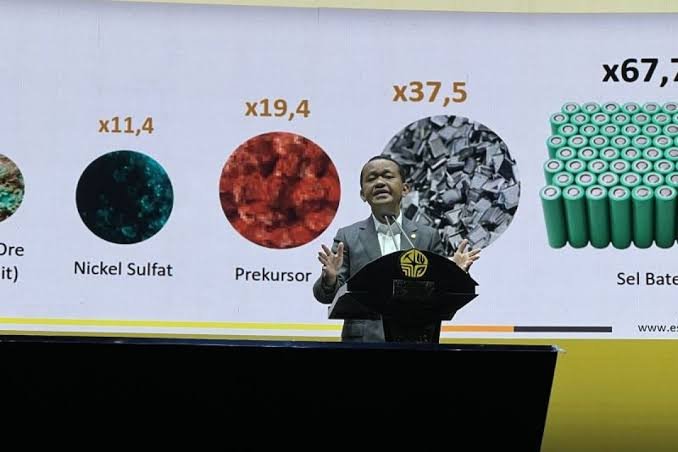
Speaking at the opening of the 2026 Mineral and Coal Convention and Exhibition in Jakarta on November 2, Coordinating Minister for Downstreaming and Energy Transition Bahlil Lahadalia described the achievement as a major milestone resulting from the government’s consistent industrialisation and downstreaming policies.
Bahlil, who also serves as Minister of Energy and Mineral Resources, said Indonesia had become one of the countries capable of developing a fully integrated battery industry, connecting nickel mining operations with domestic battery cell production.
He highlighted that Indonesia currently hosts three major battery production facilities. These include a plant in the Indonesia Weda Bay Industrial Park (IWIP) in Central Halmahera, North Maluku, and the Hyundai LG Indonesia (HLI) Green Power electric vehicle battery facility in Karawang, West Java, which began operations in July 2024.
The third facility is a joint venture between state-owned mining company Antam and global battery manufacturer CATL. The plant, also located in Karawang, is scheduled to be inaugurated by President Prabowo Subianto later this month.
The minister attributed Indonesia’s significant growth in export earnings and domestic economic value addition to the government’s aggressive downstreaming strategy.
According to official figures, Indonesia’s nickel export value surged from US$3.3 billion in 2017 to US$40 billion in 2025. Furthermore, data from the Directorate General of Minerals and Coal showed that nickel exports had reached US$25.96 billion by August 2026.
Emphasising the importance of domestic processing and industrial development, Bahlil said that without downstreaming and industrialisation, Indonesia would not be able to maximise the economic value of its natural resources.
He stressed that the strategy was essential to ensuring that greater economic benefits from mineral processing remained within the country, while strengthening Indonesia’s industrial capacity and position in the global electric vehicle battery supply chain.