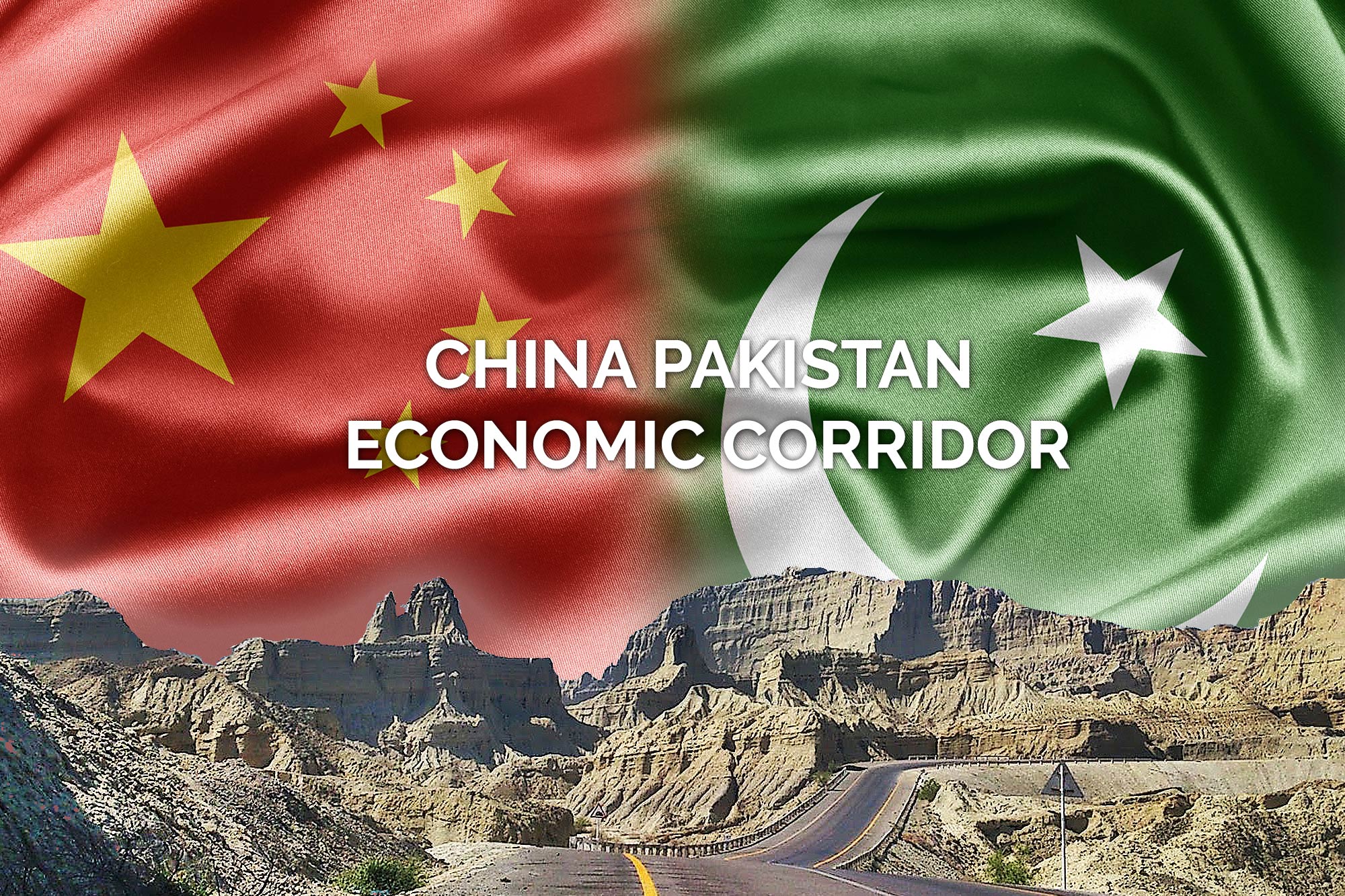
China has made many developments in Sargodha, Pakistan. Many collaborations have taken place in the city, especially regarding education and industry, wherein several Chinese and Pakistani institutions, along with local organizations, have participated. Many agreements were signed with Chinese partners to give Sargodha a boost in the framework of CPEC and to provide benefits to the people of Sargodha that actually boost economic growth. These partnerships complement the efforts of China’s agenda in the Belt and Road Initiative and are expected to transform different aspects of the Pakistani society: agriculture, technology, healthcare, and education.
Revolutionizing Healthcare and Traditional Medicine
China’s medical aid to Pakistan has proved invaluable. Due to the Chinese engagement and participation in the projects starting in Sargodha, China’s CPEC has improved the living standards of the local population of this city. Tianjin University of Traditional Chinese Medicine, along with its partner Tianjin Sansheng Supply China Management Co. Ltd., is all set to establish the country’s first Department of Traditional Chinese Medicine in Sargodha. This 200-bed teaching hospital in Sargodha is expected to be completed by 2026. This is a historic first for the Sargodha city.
As a result, student exchange programs will be initiated between China and Pakistan, with faculty training and research. The hospital shall train the future medical professionals to enable them to learn traditional as well as modern treatment modalities. Further, Zhong Lu Dong (Shandong) Agricultural Science & Technology Development Co. Ltd has collaborated to establish a Cancer Research Center which shall bring for the first time modern technologies of radiation oncology to this region to address gaps in healthcare services and make the public aware of new scientific methods and medical practices.
Driving Technological and Industrial Innovation
Sargodha has inked a memorandum of understanding aimed at industrial transformation with the Zaozhuang School of Technology. A Lithium Battery Research Center has been established in collaboration. This facility will mark a very important milestone toward the adoption of clean energy; therefore, focusing on energy storage technologies and lithium battery production in the country. It is believed that Pakistan would become technologically independent in this regard, and once these products are manufactured therein, they will contribute a great deal toward uplifting the economic hub of the country.
This zone will offer a constant electricity supply, modern industrial infrastructure, as well as ten-year tax exemptions to small and large-scale businesses. In this respect, the focus on industries is a very strategic economic decision due to the fact that these projects are expected to generate a large number of job opportunities within the region. Additionally, due to the industrial development and research and educational projects promoted by China, Sargodha will be granted an independent atmosphere which will foster learning, innovation as well as technological development. Based on these initiatives, local populations will indeed benefit directly, as these initiatives will foster increased industrial and economic developments.
Agricultural Partnerships: Sargodha’s Economic Backbone Revived
Sargodha is considered the citrus capital of Pakistan, and its economy, particularly in agriculture, has recently gained much attention through Chinese-Pakistani collaboration. TUTCM and Tianjin Sansheng also hope to set up a citrus processing facility through their collaborations with the aim of improving exports, promoting further research in food science, increasing farmer profitability, and easing the national economy.
Sargodha is also becoming a member of the China Agricultural University League network for the promotion of research in agricultural science, technology transfer, talent development, and entrepreneurship. According to Dr. Sun Qixin, President of China Agricultural University, the countries of the Belt and Road are being provided an opportunity to attain food security and drive an agricultural revolution. This will enable Sargodha to enhance the value of its exportable raw agriculture produce by leveraging effective Chinese technology and expertise to encourage agribusiness entrepreneurship.
Strengthening Cultural and Academic Diplomacy
As a result of China-Pakistan cooperation, many cultural exchange programs have been initiated. For instance, Chinese academic institutions such as Nankai University are involved in co-organized academic projects, student exchanges, and co-operative research. In this way, mutual cultural exchange is made possible when Pakistani students visit China and the Chinese students visit Pakistan. This provides them with an opportunity to learn one another’s languages. Secondly, Sargodha University received funding of 3.76 million PKR (approximately 120,000 Yuan) from the Embassy of China in Islamabad to support such programs that will help in strengthening the bilateral relations. The funds allocated have been utilized in providing scholarships to the students, developing the Chinese language and distributing cultural programs through regional institutions.
A Pakistan Institute for China Studies has been established in Sargodha University, along with a Confucius Center, to promote linguistic, cultural, and intellectual exchanges between the two countries. Reciprocally, the youth of Sargodha study abroad besides participating in the Chinese Bridge Competition 2025 and aerospace programs. All these initiatives are central in motivating innovations and sharing of ideas. These programs provide an additional support to soft power diplomacy, it is a medium of economic, cultural, as well as technological collaboration. Human capital is one of the main aspects of the CPEC long-term sustainability in this respect.
Conclusion: A Blueprint for Pakistan’s Future
The partnership between Sargodha and China, coupled with CPEC are new avenues to localized development, as business, education, agriculture, and culture are made to coexist within one platform of development. It is in the form of this bilateral cooperation that Sargodha is currently hatching into visible socio-economic outcomes with such projects as the Lithium Battery Center, the Traditional Chinese Medicine Hospital, and the CPEC-related Industrial Zone. Actually, it is an indication of a drastic shift between policy promises and ground operations with job created, skills trained, and change instilled according to the national needs of Pakistan.
Sargodha is rapidly becoming an innovative as well as developmental hub in the region, and academic research and industrialization is coupled with cultural diplomacy. Its example can be taken to heart by other regions in Pakistan and be able to utilize local advantages in concert with the objectives of modernization and shared prosperity that are projected in CPEC.
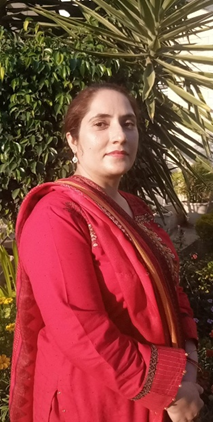
Participant of ICSF-UoS Fellowship Program 2025-26 at University of Sargodha.