Jakarta, March 17, 2026 – The Europe Today: Indonesia is formulating a comprehensive energy-saving strategy for the public sector, encompassing education, healthcare, and essential public services, following directives from President Prabowo Subianto, officials said on Tuesday.
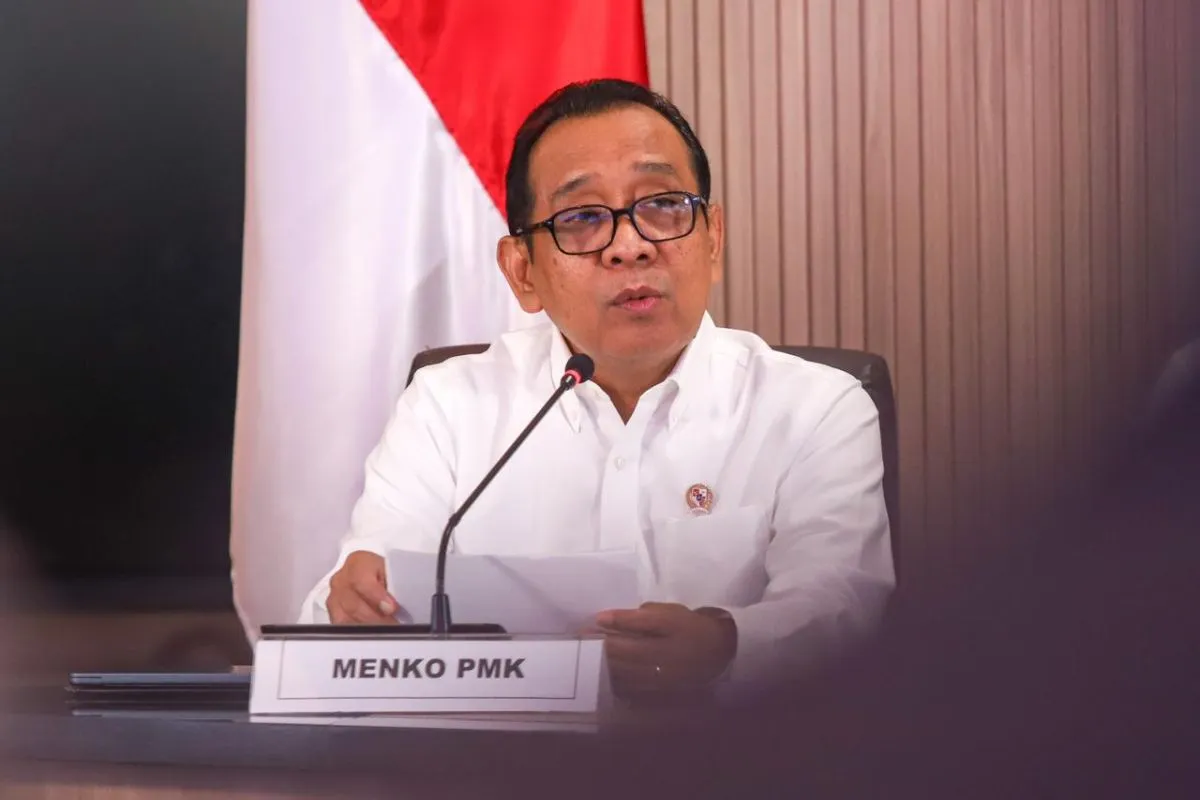
Coordinating Minister for Human Development and Culture Pratikno stated that the policy will be data-driven and adaptive, drawing on lessons learned from mobility management during the COVID-19 pandemic to ensure minimal disruption to public services.
“Efficiency measures must be measurable and based on sector-specific energy consumption and mobility data, so they do not create undue negative impacts on the public,” Pratikno said in an official statement issued in Jakarta.
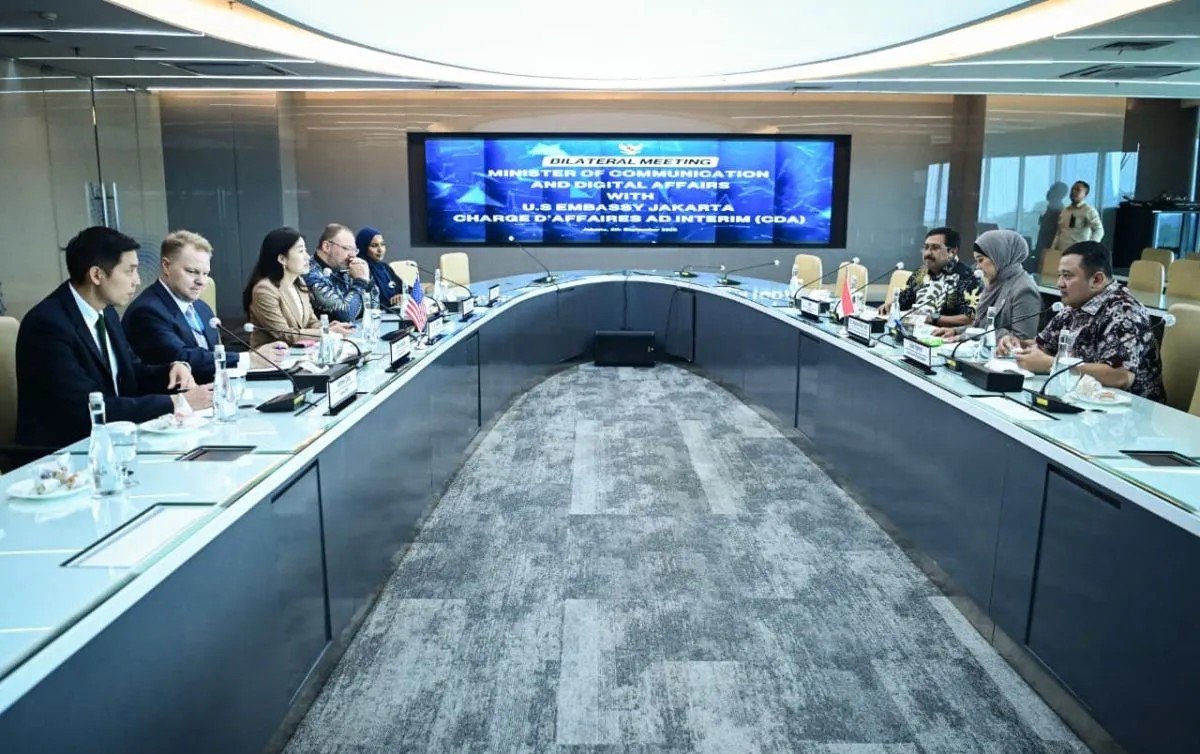
The proposed measures were discussed during a virtual inter-ministerial coordination meeting focused on fuel-saving policies. Officials emphasized that critical sectors, particularly education and essential services, must continue to operate without significant interruption.
The government has outlined five key strategies under the plan: implementing flexible working arrangements for civil servants, expanding the use of digital platforms, restricting official travel, introducing energy-saving practices in government buildings, and adjusting the balance between online and in-person learning based on subject requirements.
Pratikno noted that practical and laboratory-based education will continue to be conducted in person to maintain academic standards, while other subjects may shift to hybrid or fully online formats depending on circumstances.
Officials also reviewed follow-up considerations, including potential adjustments to the Free Nutritious Meals (MBG) program in response to changes in student attendance, as well as alternative financing mechanisms to support internet access for students engaged in online learning.
The cross-sector energy-saving policy is expected to be implemented in April 2026. Authorities underscored the importance of coordinated efforts among ministries to ensure efficiency while maintaining the quality and continuity of public services.
The meeting brought together representatives from multiple ministries, including Education, Higher Education, Science and Technology, Religious Affairs, Administrative Reform, Health, and Youth and Sports.
The outcomes of the discussions, along with detailed energy consumption data and sector-specific recommendations, will be submitted to President Prabowo Subianto for final review.