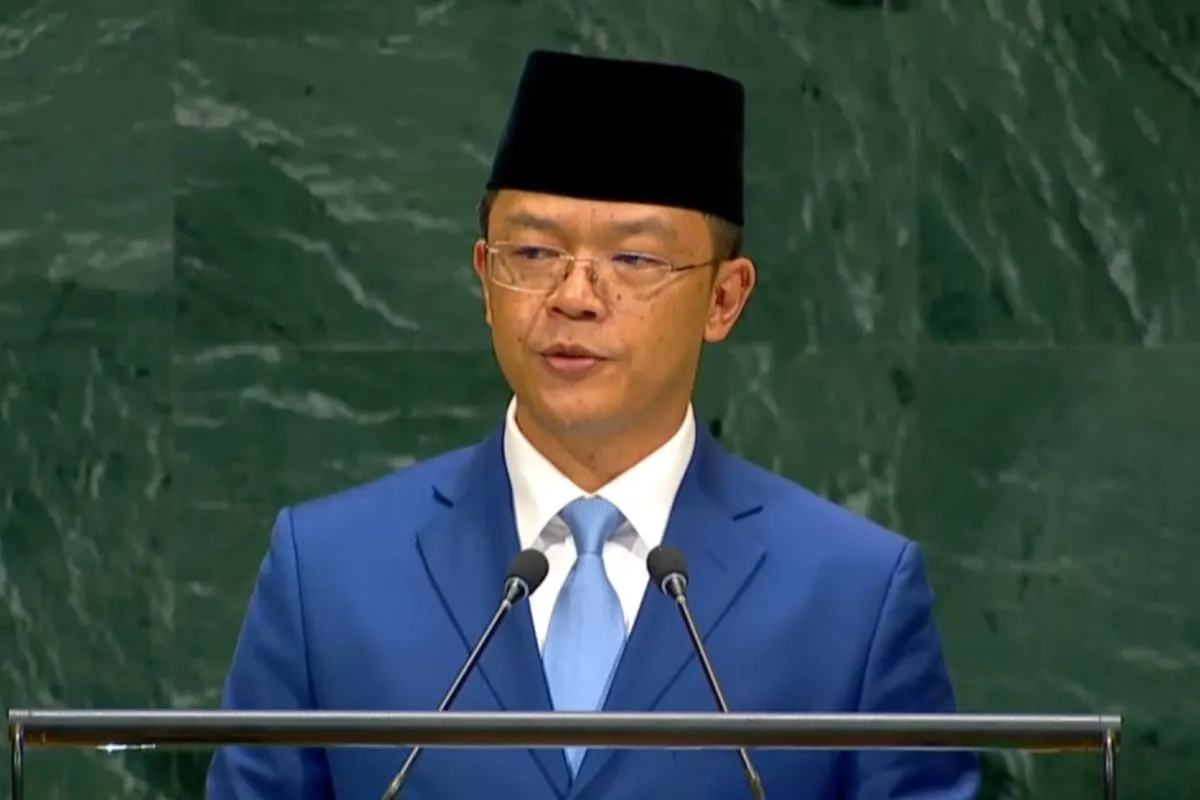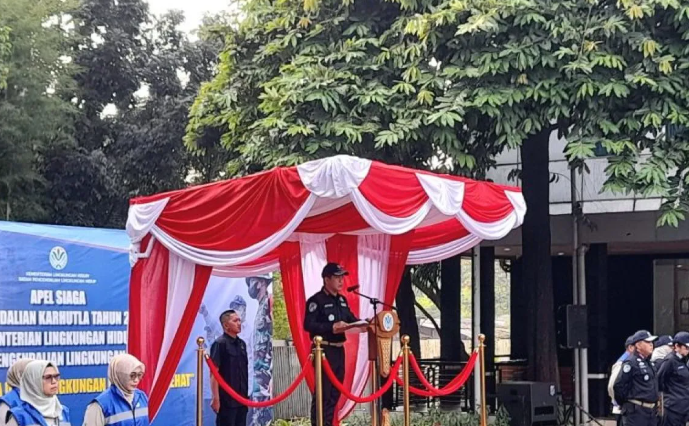
Jakarta, April 23, 2026 – The Europe Today: Indonesia’s Environment Minister Hanif Faisol Nurofiq has called for heightened vigilance against forest and land fires as the country braces for what is projected to be its lowest rainfall in three decades.
Citing projections from the Meteorology Climatology and Geophysics Agency, the minister said Indonesia is expected to experience an extended dry season beginning in April 2026, peaking between August and September, and lasting until November.
“Rainfall during the seven dry months is forecast to remain below 100 millimeters per month, while rising Pacific Ocean temperatures may trigger El Niño conditions,” Nurofiq stated on Wednesday.
He warned that the prolonged dry spell could significantly reduce water levels in peatland areas, increasing the likelihood of drought and heightening the risk of forest and land fires during critical periods.
Indonesia is not alone in facing these challenges, as several Southeast Asian nations—including Malaysia, Thailand, Vietnam, and parts of Myanmar—are also vulnerable due to their extensive peatland ecosystems.
The minister urged government agencies and stakeholders to step up preparedness and mitigation efforts, particularly in fire-prone provinces such as Riau, Central Kalimantan, West Kalimantan, Jambi, South Sumatra, and South Kalimantan.
Key measures include intensifying weather modification operations, improving water management in peatlands, and implementing canal-blocking systems to retain moisture and prevent fires.
“The weather modification operation has become a standard protocol to increase rainfall and supply water to dry areas,” Nurofiq said.
He added that the government would strengthen village-level peatland monitoring systems to track water levels and enable early intervention. Authorities will initiate weather modification measures when peatland water levels fall to 80 centimeters or below, in coordination with the National Disaster Mitigation Agency.
The Indonesian government is ramping up its response strategy to mitigate the potential environmental and economic impacts of a severe dry season intensified by climate variability.