Yangon, April 27, 2026 – The Europe Today: Archaeological experts from Myanmar, India, and Thailand are intensifying collaboration on a transnational nomination to include a series of Maha Bodhi temples on the UNESCO World Heritage List, authorities announced.
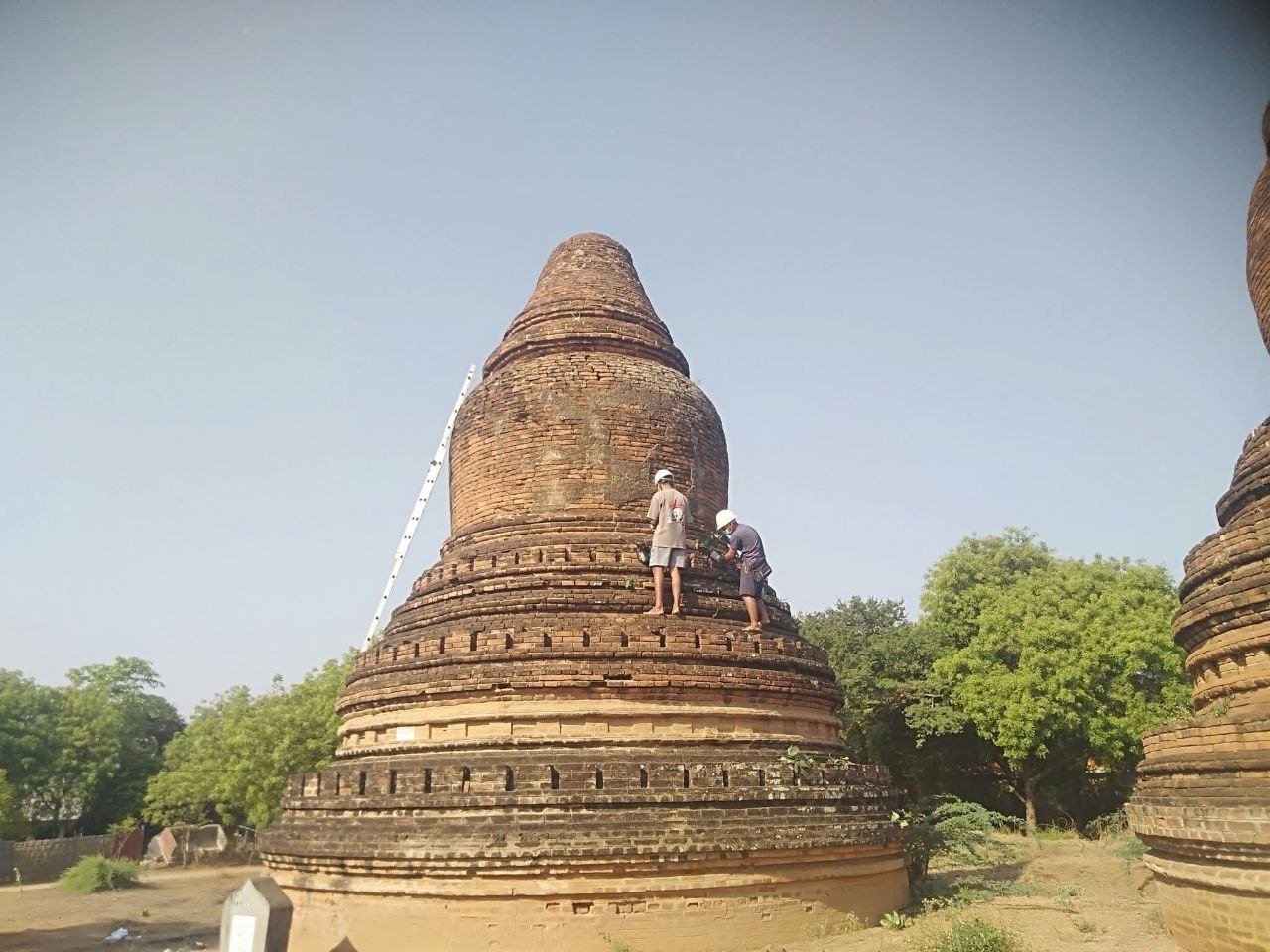
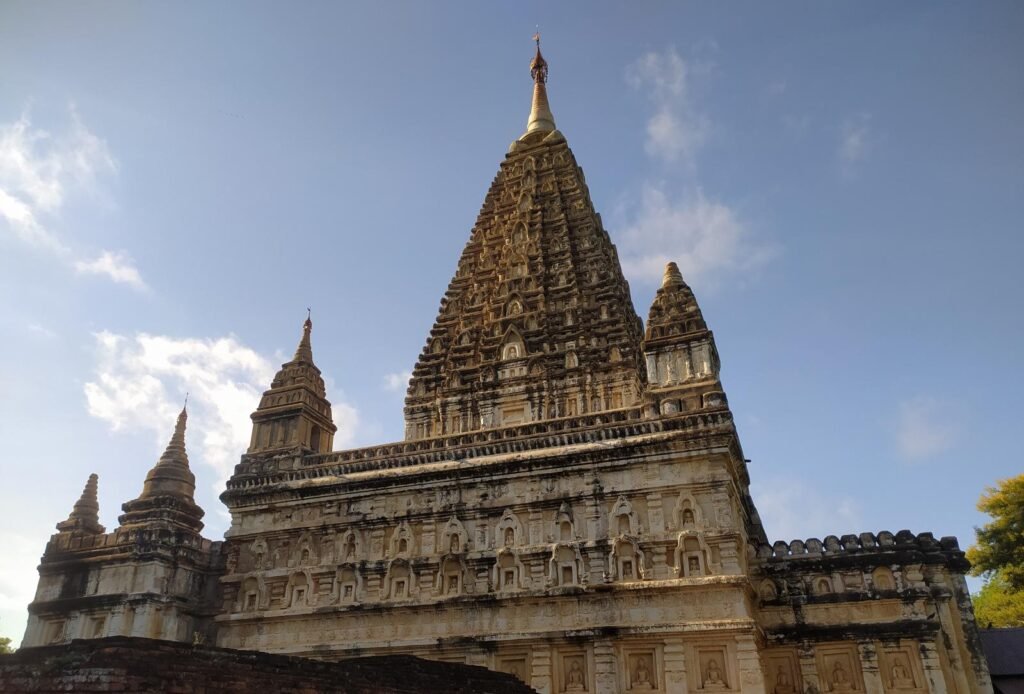
The initiative, led by Myanmar’s Department of Archaeology and National Museum, seeks to submit a “serial nomination” encompassing historically and culturally significant Maha Bodhi temples across the three countries. The proposed sites include temples in Bagan and Bago, the iconic Maha Bodhi Temple Bodh Gaya in India, and Wat Chet Yot in Chiang Mai.
Officials said extensive preparatory work is underway, including documentation, conservation efforts, and intergovernmental coordination. Teams from the Bagan branch of the department are actively compiling data, conducting site surveys, capturing drone footage, and preparing detailed maps to support the nomination process.
In March, a key coordination meeting was held in Bagan, bringing together members of the Mandalay Region Cultural Heritage Preservation Committee, trustees of the Maha Bodhi temples, representatives from the Archaeological Survey of India, and local officials. Discussions focused on completed research, preservation initiatives, and future requirements for safeguarding the sites.
Further progress was made during meetings held from April 20 to 22 in Yangon, where officials from multiple regional branches, alongside representatives from the Bagan Heritage Trust and the Archaeological Survey of India, advanced work on the nomination dossier. The sessions, led by Deputy Director-General (Museums) and archaeological advisor Dr. Thein Lwin, addressed key elements such as defining boundaries, selecting nomination criteria, assessing data, and compiling visual documentation.
Participants also reviewed ongoing and proposed research and conservation projects, and conducted a field visit to the Maha Bodhi temple in Bago as part of the evaluation process.
The transnational nomination reflects a growing trend of cross-border heritage recognition, highlighting the shared cultural and historical significance of Buddhist architecture and traditions across the region. If successful, the initiative would further strengthen international cooperation in heritage preservation while elevating the global profile of these historic religious sites.