Hanoi, May 12, 2026 – The Europe Today: Prime Minister Lê Minh Hưng has directed the Ministry of Foreign Affairs (MoFA) to accelerate digital transformation in close linkage with modern digitalisation mechanisms and urgently develop a comprehensive digital management system to enhance efficiency in diplomatic operations.
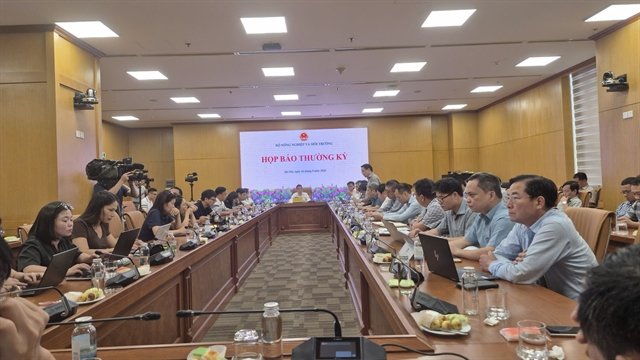
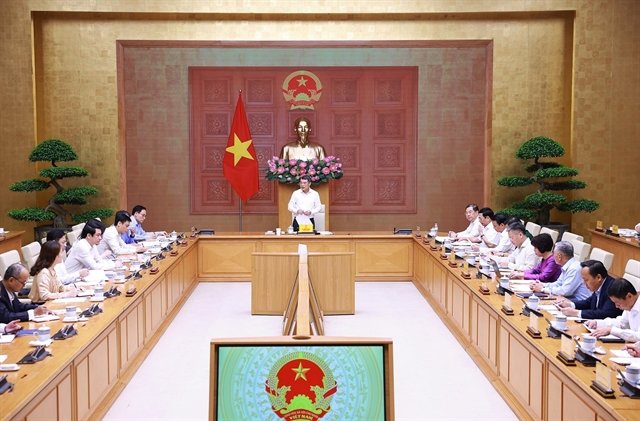
Chairing a working session with the Ministry of Foreign Affairs of Vietnam on Monday morning, the Prime Minister reviewed recent performance, ongoing responsibilities, and outlined key strategic priorities for the upcoming period.
On behalf of the Government, he appreciated the ministry’s continued efforts in maintaining peace and stability, fostering a favourable environment for national development, and strengthening Việt Nam’s friendly relations with other countries. He noted that these efforts have also contributed to refining the Party’s theoretical thinking and foreign policy orientation, particularly the strategic shift in external affairs adopted at the 14th National Party Congress.
While acknowledging the achievements, the Prime Minister stressed the need to clearly identify existing limitations, challenges, and their root causes, particularly in transforming institutional mindsets and working methods to meet evolving demands.
He emphasised the importance of building a clean and strong Party organisation within the ministry, strengthening Party-building work and internal political protection, especially in key areas, with proactive and preventive measures.
The Prime Minister instructed the MoFA to coordinate with relevant ministries and agencies to urgently review and propose revisions to regulations on its functions, mandates, and organisational structure. He also called for the rapid development of performance indicators (KPIs) to assess the effectiveness of officials and public servants.
In addition, he urged the establishment of mechanisms to manage key areas of foreign affairs, particularly in economic diplomacy, investment attraction, tourism promotion, and technology diplomacy.
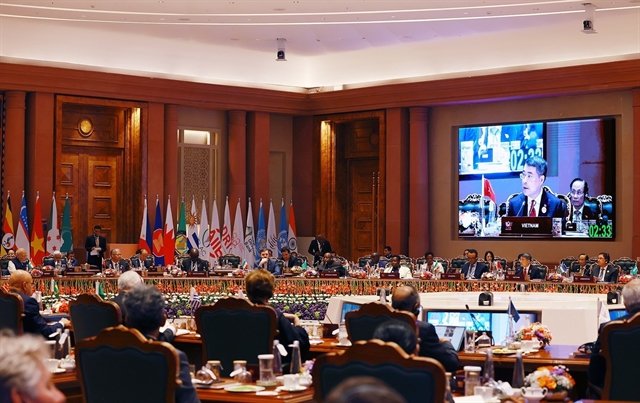
The Prime Minister also called for more professional organisation of high-level diplomatic activities, stressing the need for proactive coordination among relevant agencies in planning, advising, and innovating both the content and format of external engagements. He underscored that preparations must be thorough, practical, and closely aligned with the host country’s requirements and Việt Nam’s national interests.
He further directed the ministry to establish a digital management system to monitor and evaluate international commitments and agreements, ensuring transparent tracking of implementation progress, challenges, and proposed solutions—particularly for agreements arising from high-level visits.
Emphasis was also placed on improving research, forecasting, and strategic advisory capacity regarding global and regional developments, as well as shifts in policies of major partners, to ensure timely and effective policy recommendations.
The Prime Minister highlighted that such analytical capacity should directly support national development goals, including high growth targets and the transformation towards a new growth model driven by science, technology, innovation, and digital transformation.
He called for accelerating the development of a comprehensive, modern, and professional diplomatic service. Vietnamese overseas representative missions, he said, must enhance their proactiveness, closely monitor international developments, and provide timely reporting and policy advice to strengthen bilateral and multilateral cooperation in priority areas.
The expansion of export-import markets, as well as cooperation in science, technology, and labour, was also emphasised as a key priority.
Finally, the Prime Minister instructed the Diplomatic Academy of Vietnam to strengthen faculty development, modernise training programmes, advance strategic research, and expand cooperation with domestic and international universities, research institutions, and experts. This, he noted, is essential to building a robust policy advisory and strategic research network aligned with both national and global diplomatic needs.