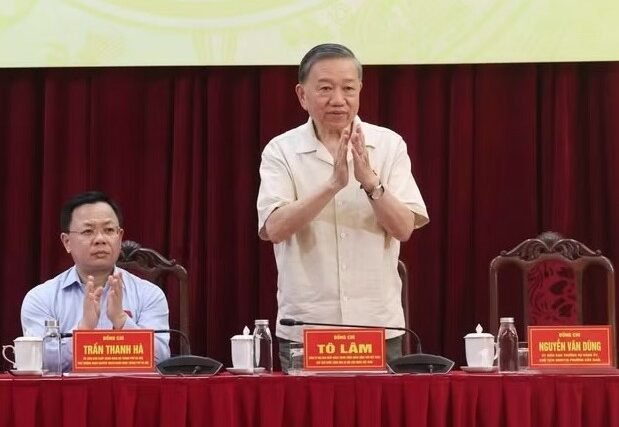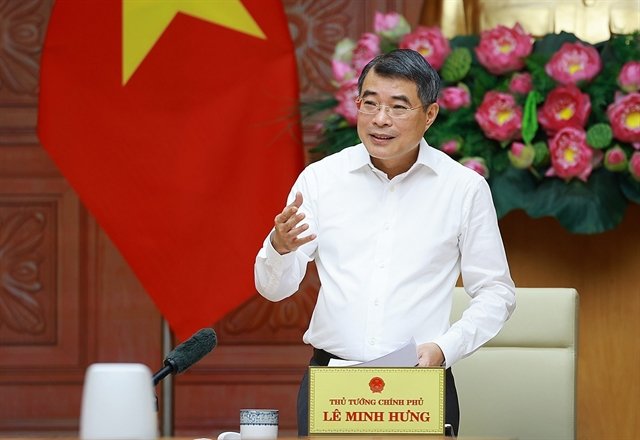
Hanoi, April 30, 2026 – The Europe Today: Prime Minister Lê Minh Hưng has called on Vietnam’s agriculture and environment sector to intensify reforms and accelerate implementation of key priorities to achieve ambitious growth targets for 2026 and beyond, including double-digit economic expansion.
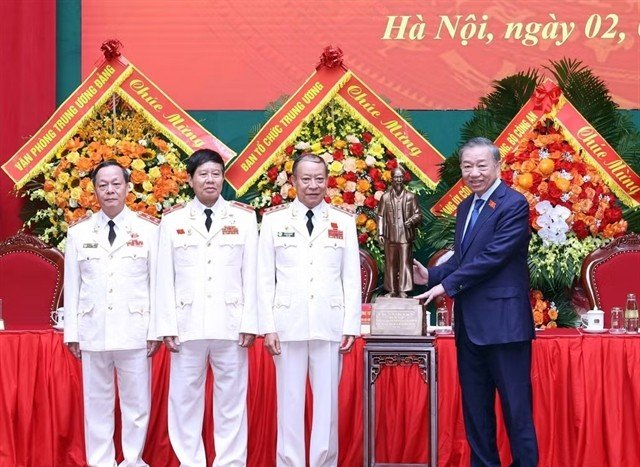
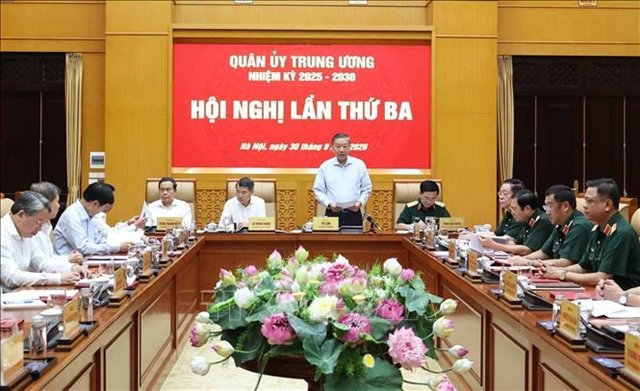
Chairing a working session with the Ministry of Agriculture and Environment (MAE), the Prime Minister commended the ministry’s proactive role in advancing institutional reforms and implementing measures to streamline administrative procedures and business conditions, in line with Party directives. The ministry was among three recognised by the Government for its performance.
Despite progress, the Prime Minister highlighted persistent bottlenecks in mobilising land, natural resources, and forest assets for development. He urged further administrative simplification, deeper decentralisation, and stronger action to address pressing environmental issues, including urban air pollution, water contamination in river basins, and environmental degradation in craft villages.
The Prime Minister also stressed the need to accelerate the implementation and disbursement of national target programmes, while addressing broader challenges such as climate change, natural disasters, and increasingly stringent global environmental standards. He noted that limitations in infrastructure, technology, and workforce capacity require urgent transformation of production models to maintain competitiveness.
Calling for more agile policymaking and responsiveness amid evolving global conditions, he directed stakeholders to swiftly translate major Party and Government resolutions into concrete actions, ensuring timely and effective implementation.
Key directives include finalising guidelines for allocating public investment capital based on output efficiency, alongside proposals on carbon credit management and revisions to environmental legislation. The ministry is also tasked with reviewing national strategies on climate change, land use, and environmental protection, and accelerating decentralisation in programme implementation.
In the coming quarters, the ministry will focus on adjusting the national land-use plan, addressing idle land and delayed projects, strengthening the legal framework for rare earth resources, and reviewing land management policies. Reforms to the Land Law and measures to optimise agricultural land use and attract investment are also planned.
The Prime Minister emphasised the importance of continuing administrative streamlining, improving governance, and resolving bottlenecks in land, environment, and mineral resource management. He also called for more flexible rice land policies to improve efficiency while safeguarding food security.
Further priorities include promoting digital transformation, applying science and technology in agriculture, and developing large-scale, value chain-based production linked to branding, traceability, and sustainable raw material zones.
The ministry was also instructed to strengthen core state functions such as combating illegal, unreported, and unregulated (IUU) fishing, enhancing forest fire prevention, improving disaster response, and addressing water security, energy challenges, and urban environmental issues, including flooding and air pollution in major cities like Hanoi and Ho Chi Minh City.
Despite ongoing challenges, the Prime Minister acknowledged the sector’s significant contributions to national development, highlighting its leadership in institutional reform and efforts to streamline administrative processes. He also noted progress in implementing national programmes on rural development, poverty reduction, and socio-economic advancement in ethnic minority and mountainous regions.
The directives underscore Vietnam’s commitment to building a resilient, sustainable, and innovation-driven agriculture and environment sector as a cornerstone of its long-term economic growth strategy.