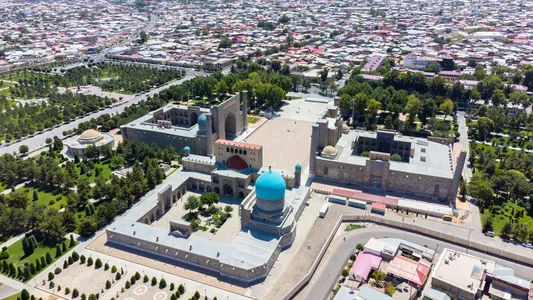
For centuries, the Uzbekistan mahalla, a community institution deeply embedded in the social fabric, has been a strong asset in sustaining social harmony, mutual support, and cultural continuity. This unique social structure has been resurrected and strengthened under President Shavkat Mirziyoyev’s guidance, which is an integral part of the concept of “New Uzbekistan”.
Today’s reforms have turned the mahallas into new self-governing bodies that can be said to be dynamic, which help individuals to become more involved in their governance, to strengthen their spiritual values and abilities, to be more active economically and to build a spirit of togetherness and unity among individuals.
History and Cultural Significance of Mahalla
The mahalla was one of the oldest system of community’s organization in the world, dating back to the Bronze Age and to the ancient states of Parkana in the Fergana region. It was a socio-economic and territorial community where the people shared national traditions, moral and household traditions together and lived in harmony while celebrating joys and supporting each other in times of trouble.
Elders or aksakals (Oksokol) had a respected place, recognized by local authorities, and even great leaders like Amir Temur respected them and took their advice. In the Soviet period, the status of mahallas was reduced and it enjoyed limited powers, but after independence, its new status was restored. The Constitution of Uzbekistan recognizes them as self-governing bodies (Article 105) and the President’s reforms have given them even more status, making them a “third renaissance” in their socio-political role.
Mirziyoyev’s Vision – Mahalla at the Heart of Reforms
President Mirziyoyev has been working hard to enhance civil society institutions since his induction, including the mahalla system. The development of the mahalla and boosting people’s social activity are also important directions of state development in the framework of the “Development Strategy of New Uzbekistan”. Effort is placed not just on administration but also on building up the rich spiritual space through participation in the community.
The key milestones are the Presidential Decree (PF-5438) issued in February 2020 that is focused on restoring the socio-spiritual environment, strengthening mahallas and promoting family and women’s work. This resulted in the establishment of the Ministry for Mahalla and Family Support, regions and a special Scientific-Research Institute. For instance, new posts were created including chairmen’s advisers for law enforcement, family and women’s affairs, socio-spiritual affairs, beautification and entrepreneurship.
The “mahalla bay” principle ensures that the government’s effectiveness is tested with tangible results at the neighborhood level. Today these heads of mahallas are reformers who can discuss and solve local issues, generate local employment, promote entrepreneurs and seek action from state bodies. A system of collaboration (mahalla – sector – people’s reception – mahalla) promotes problem solving and public appeals.
Social Activity, Spiritual Development and Community Impact
Mahallas create spiritual space of New Uzbekistan, activate social activity and civic participation. They are opportunities for political and spiritual awareness, for tolerance, respect of others, caring for the community, etc. Mahallas, during a time of global challenges such as the pandemic, have maintained solidarity and humanism, which otherwise might have led to social alienation.
Benefits are:
- People will have engaged in entrepreneurship and craft.
- Received loans for family businesses.
- Family breakups will be avoided and conflicts can be settled through reconciliation.
- Many homes were restored for low-income families by community hashars (voluntary work) and new houses were constructed.
- Crimes were prevented to a great extent, and there were some decreases in many mahallas.
“Councils of elders” such as groups are relying on the experience of veterans and retirees for stability and moral guidance. Contributors are recognized in the public by the “Mahalla iftihori” badge. Additionally, Mahallas have public controls on them through applicable legislation, increasing transparency and accountability.
Bridging Between State and Society
Today, the mahalla has become a modern and efficient instrument of communication between citizens and the state under President Mirziyoyev. It focuses directly on social issues such as supporting the family in need, supporting women and young people, entrepreneurship and environmental care, and at the same time protects the cultural heritage.
This bottom up approach changes the nature of governance, by giving power to local leaders, it makes governance flexible and accommodating of the needs of the local communities. Through combining old wisdom with new changes, Uzbekistan creates a society based on trust, active citizenship and shared prosperity.
Brighter Future of New Uzbekistan
President Mirziyoyev has made a significant contribution towards the development of the mahalla system, demonstrating his deep dedication to development that prioritizes people. This unique social structure is restored, which will reinforce the spiritual component of Uzbekistan, increase social activity and make society resilient and harmonious. The mahalla is a unique and precious model of how tradition and modernity come together to create a prosperous, inclusive New Uzbekistan, where each mahalla is prosperous, each voice is heard, and the well-being of all citizens fuels national development.
This positive trajectory is continued by just such a community institution and it inspires world to say that community institutions can make a better future for all citizens.
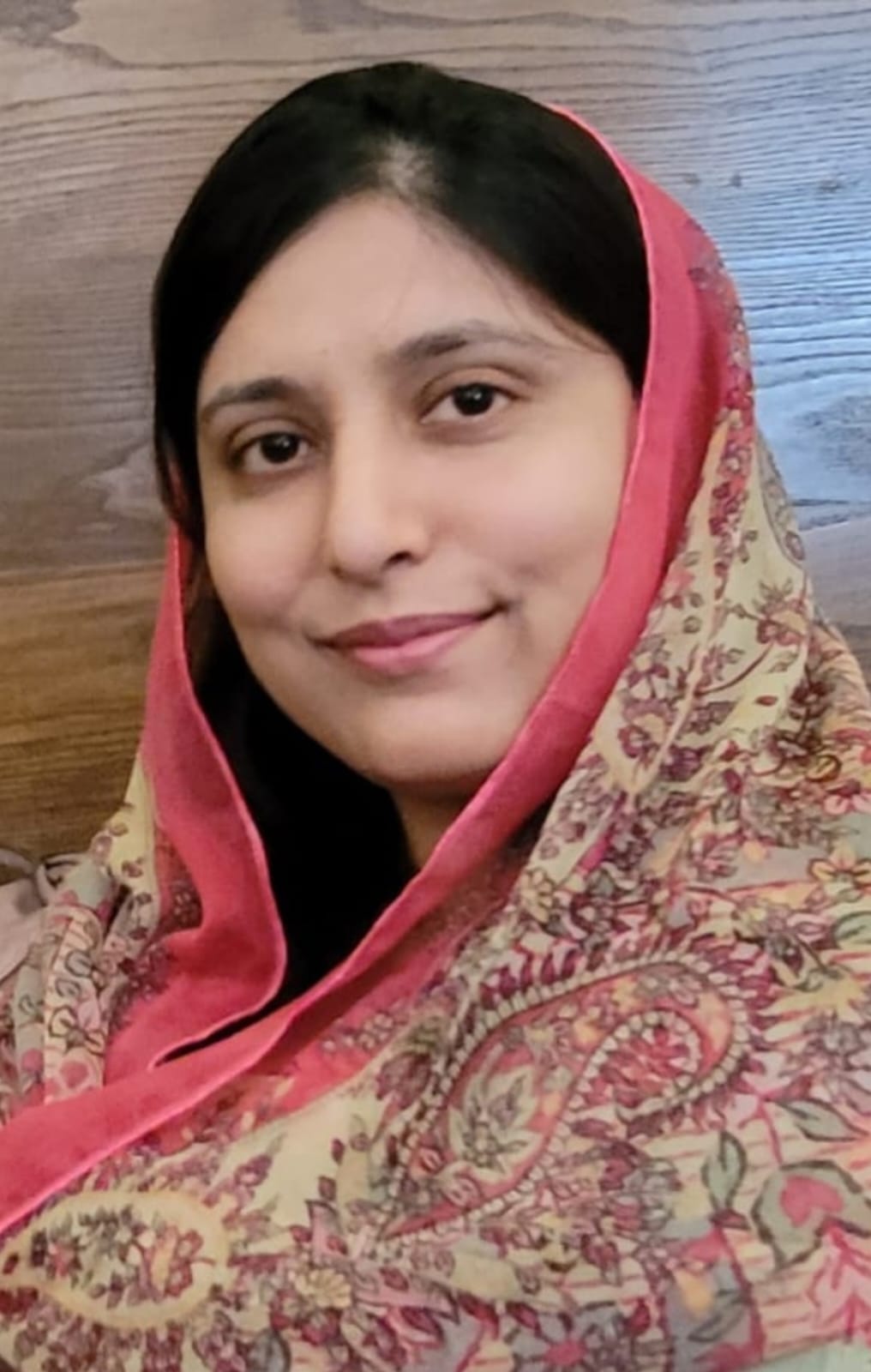
President “The Gulf Observer Research Forum” and the Editor-In-Chief, https://thegulfobserver.com