Marrakech, June 2, 2026 – The Europe Today: A broad majority in the Dutch Tweede Kamer has expressed support for a new bilateral extradition treaty with Morocco, aimed at significantly expanding the range of criminal offenses for which suspects can be transferred between the two countries.
The agreement was defended in parliament by Dutch Justice Minister David van Weel, who described Morocco as “an important partner” due to the close links between criminal networks operating in the Netherlands and Moroccan communities.
Signed on December 18, 2023, by former Justice Minister Dilan Yeşilgöz and her Moroccan counterpart, the treaty extends beyond existing United Nations frameworks, which are generally limited to serious transnational crimes such as terrorism and large-scale drug trafficking.
Under the new arrangement, extradition could apply to any offense carrying a minimum sentence of one year, including murder, assault, fraud, and money laundering. Moroccan authorities have already approved the treaty, while a final vote in the Dutch parliament is scheduled for June 9.
Minister van Weel said the agreement sends a clear deterrent message, stating that individuals cannot evade justice by crossing borders. He also highlighted the Netherlands’ experience with similar agreements, noting cooperation frameworks with countries such as the United Arab Emirates and Colombia.
Lawmakers supporting the treaty, including VVD representative Ulysse Ellian, argued that the agreement would help eliminate “safe havens” for organized criminal groups. He cited concerns involving suspects linked to high-profile criminal cases, including the 2021 killing of journalist Peter R. de Vries, who are believed to be residing in Morocco.
According to parliamentary discussions, political backing for the treaty includes several parties such as VVD, D66, CDA, PN, JA21, Groep Markuszower, and 50Plus, with CDA lawmaker Jeltje Straatman calling it “a very important step in the right direction.”
However, concerns remain regarding reciprocity. Moroccan law prohibits the extradition of its own nationals, raising questions about balance in enforcement. Dutch officials acknowledged this constitutional limitation, noting that in such cases, prosecution must be undertaken domestically within six months. Authorities also confirmed that convicted individuals may serve sentences in their home countries under existing transfer arrangements.
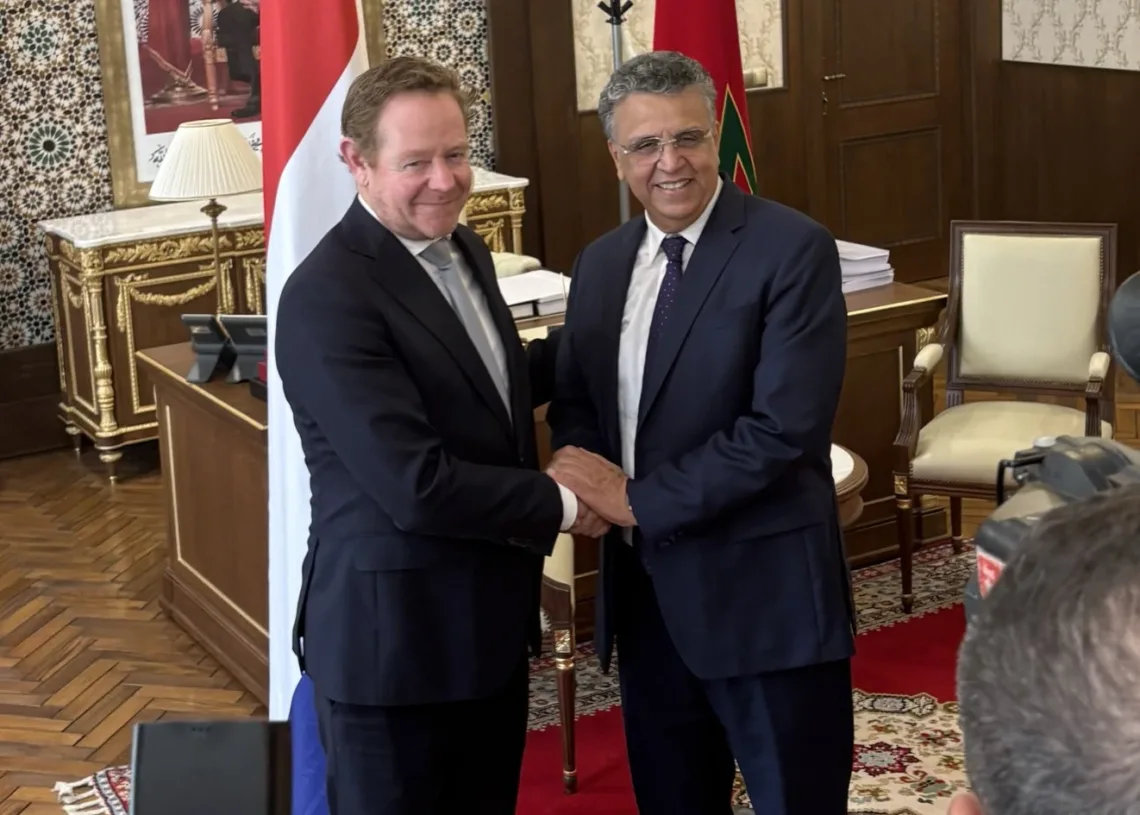
The debate follows high-level talks held on April 7 in Rabat between Dutch officials and Moroccan authorities, where both sides discussed strengthening judicial cooperation, combating organized crime, and improving asset recovery mechanisms.
Officials from both countries described the treaty as part of broader efforts to deepen international cooperation in response to evolving security challenges and cross-border criminal activity.