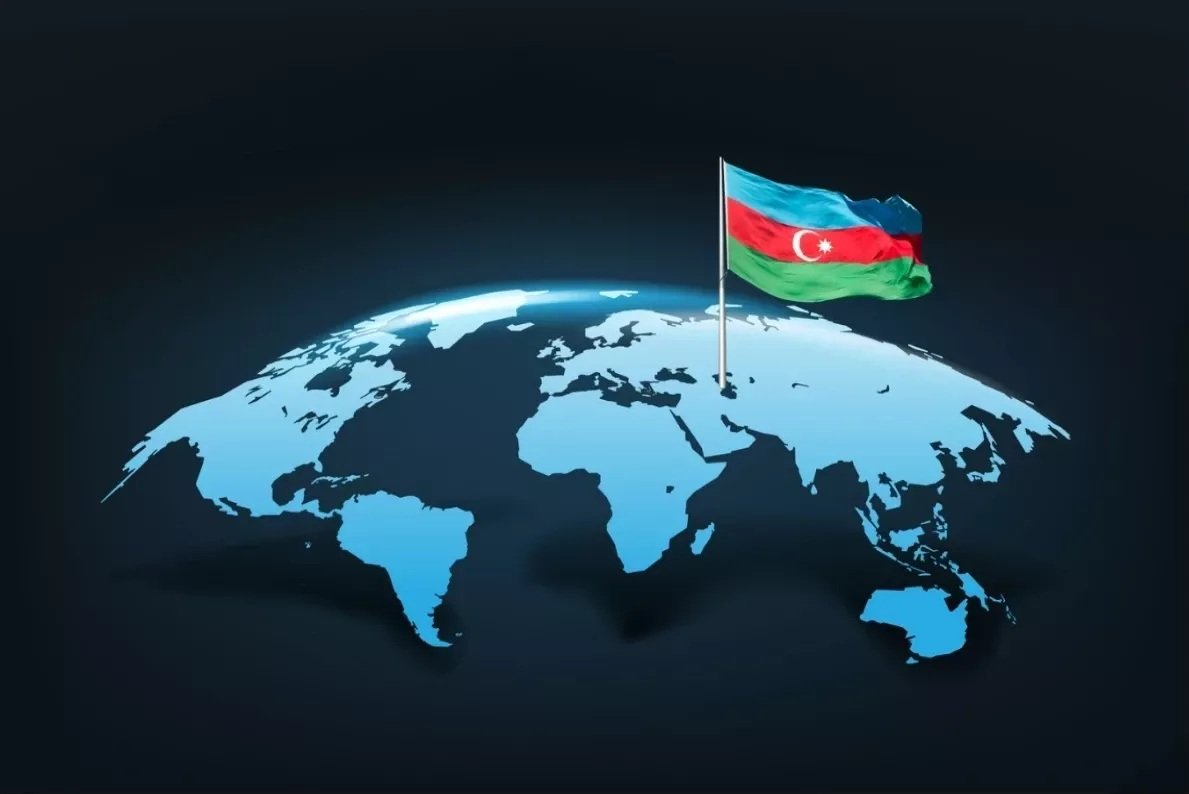
According to the latest official statistical disclosures, Azerbaijan is undergoing a significant shift in its economic structure and the share of non-oil and gas sector in the country’s Gross Domestic Product (GDP) has reached 71.5 percent.
It is a clear turning point in breaking away from the reliance on hydrocarbons as they have become less than 30 percent of total production. This shift is in accordance with the country’s macroeconomic restructuring and is a process that has been long in the making due to years of consistent diversification initiatives, according to economists.
Azerbaijan has traditionally been considered as a typical post-Soviet petrostate, exposed to the “resource curse” due to its over-dependence on energy export revenues and to the volatility of international oil prices. Twenty years ago, about 43.5 per cent of GDP was realized from non-oil sources with the economy heavily reliant on hydrocarbon revenues.
The new statistics show that this growth is taking place in all non-extractive sectors, including manufacturing, agriculture, transport and logistics, construction and services, but it remains steady and continuous.
The country’s economic fortunes have also been buffeted by large external shocks, such as a substantial devaluation of its currency after the fall in oil prices in the worldwide crisis ten years ago. In resource-intensive economies, such crises tend to negatively affect diversification processes, but in Azerbaijan, the non-oil sector also expanded, indicating increasing resilience and adaptive capacity on the institutional level in the wider economic system.
The country’s risk profile is also changing with the growing impact of non-oil activities. A more diversified economic base helps to cushion the impact of global energy market volatility, and enhances resilience during the current geopolitical and energy transitions. Renewable energy is gaining significant traction across the world and the benefits of shifting away from the use of hydrocarbons place Azerbaijan in a secure position in the changing international trade and production networks, according to economists.
Furthermore, the growth of non-oil industries is anticipated to have positive impact on employment and income distribution. Non-oil industries are generally more labor intensive than the oil and gas industry and are likely to provide a wider range of job opportunities and contribute to domestic consumption growth unlike oil and gas industry. This change is seen as one that would push towards a more balanced and inclusive growth model.
The new GDP composition data portrays a deeper paradigm shift in Azerbaijan’s development trajectory, further away from resource-based economic growth towards a more diversified and resilient economic structure, experts say. Hydrocarbons are still a big source of foreign exchange and fiscal stability, but no longer a dominant part of the country’s overall economic output.
This 43.5 percent to 71.5 percent non-oil share represents a key structural shift that could further evolve, as non-extractive industries continue to be incorporated into regional and global value chains.
Owner of “The Europe Today” and Patron-In-Chief/Owner of “The Gulf Observer”, Chairman “The Gulf Observer Research Forum”, Foreign Affairs Expert, Analyst, International Award Winning Author and Poet.