Rabat, October 28, 2026 – The Europe Today: Morocco plans to increase the number of its public universities from 12 to 27 as part of a comprehensive higher education reform aimed at reducing regional disparities and improving access to university education across the country.
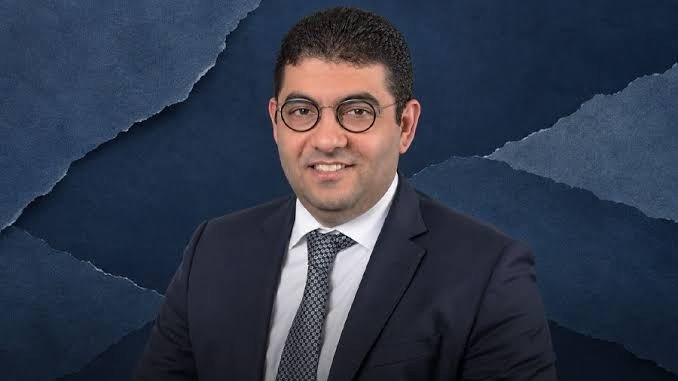
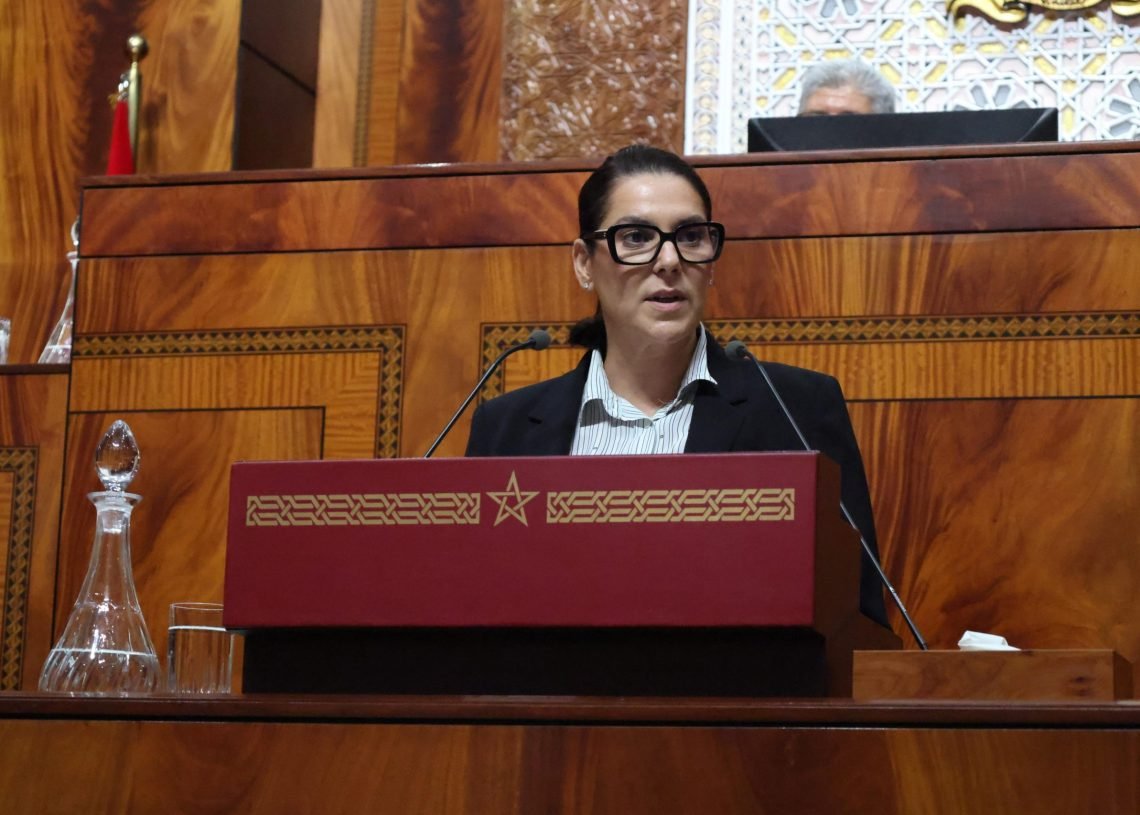
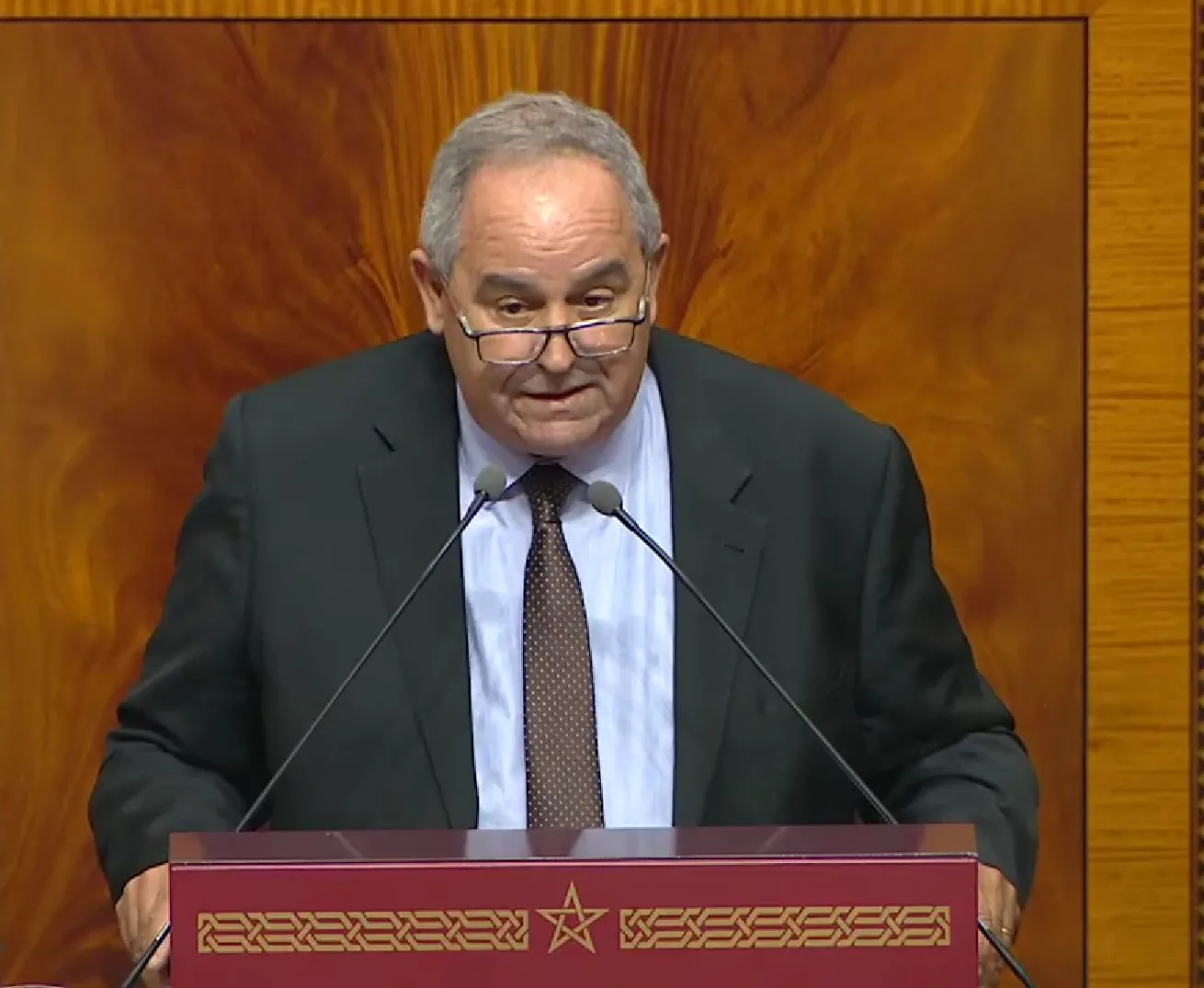
According to media reports, Higher Education, Scientific Research and Innovation Minister Azzeddine El Midaoui announced the initiative on Monday during a session at the House of Representatives, outlining the government’s efforts to ensure a more balanced geographical distribution of higher education institutions.
The minister said Morocco had established 66 university institutions between 2024 and 2026, while 17 additional institutions were awaiting approval of their respective draft decrees. Of the institutions already established, 46 resulted from the division or restructuring of existing open-access institutions, while 20 belong to a new generation of university institutions.
The proposed reform seeks to ensure that each of Morocco’s 12 regions has at least one public university, including areas such as Dakhla, Laayoune, Guelmim and Errachidia. The initiative is also intended to ease overcrowding at existing universities by reducing the average student population per university from approximately 95,000 to fewer than 40,000.
The first phase of the initiative is estimated to require MAD 200 million (approximately US$20.1 million) for the construction and management of university headquarters. The government has based its planning on assessments of all 12 regions, taking into account population needs, available resources and local economic and social priorities.
According to El Midaoui, the new institutions will offer programmes across academic disciplines, with curricula tailored to regional requirements while supporting national development objectives and strengthening Morocco’s academic presence in Africa and internationally.
The expansion is also expected to reduce the financial burden on families whose children must travel to other cities for higher education. By bringing universities closer to students’ homes, the government aims to lower accommodation and transportation costs and improve educational opportunities for girls and vulnerable communities in rural areas.
Furthermore, the reform seeks to improve graduates’ employment prospects by aligning academic programmes more closely with labour market requirements. The government also expects a more balanced distribution of universities and qualified professionals to stimulate regional investment and expand scientific, cultural and social activities beyond the country’s main university centres.
The proposed restructuring represents a broader effort to make higher education more accessible and responsive to Morocco’s regional development needs. Its effectiveness, however, will depend on the establishment of adequately equipped institutions and the delivery of quality academic programmes that meet students’ needs and regional employment demands.