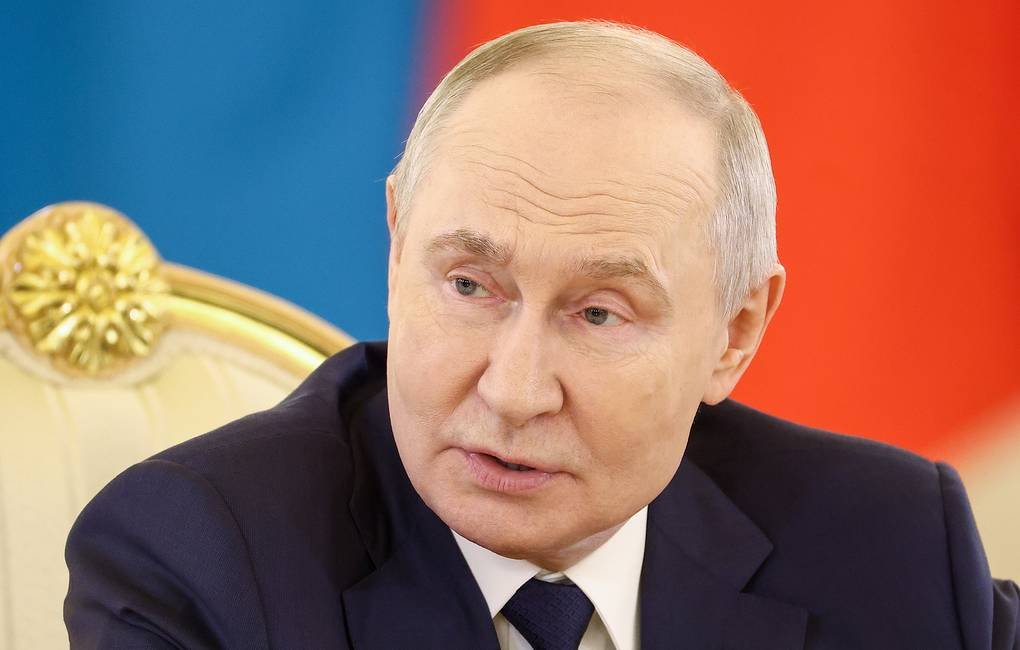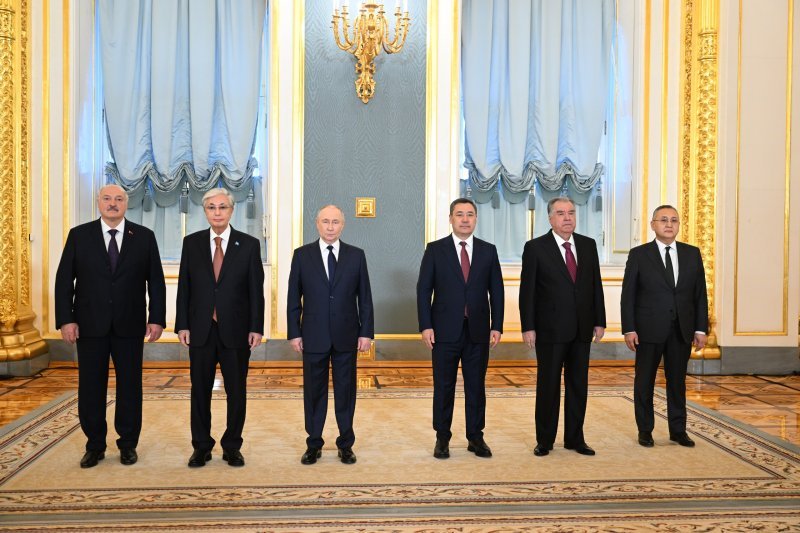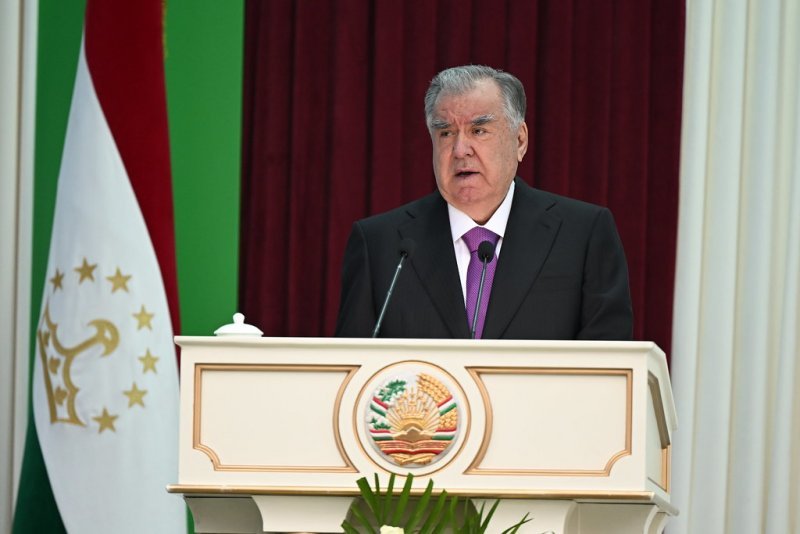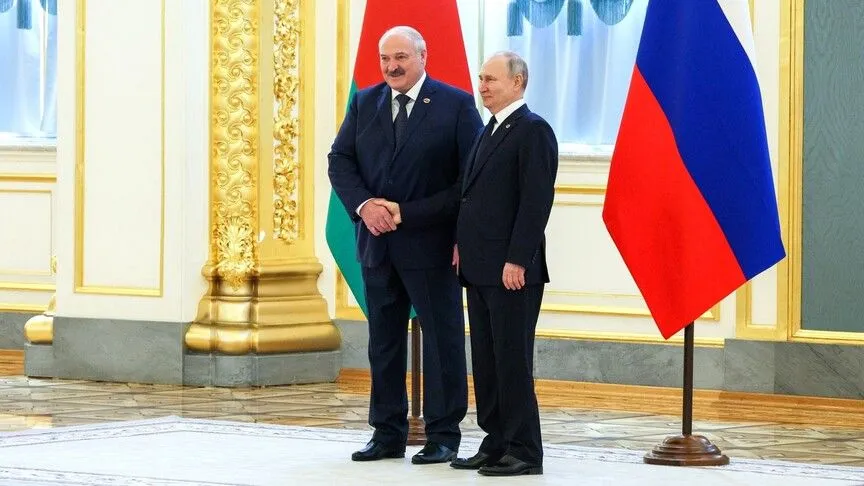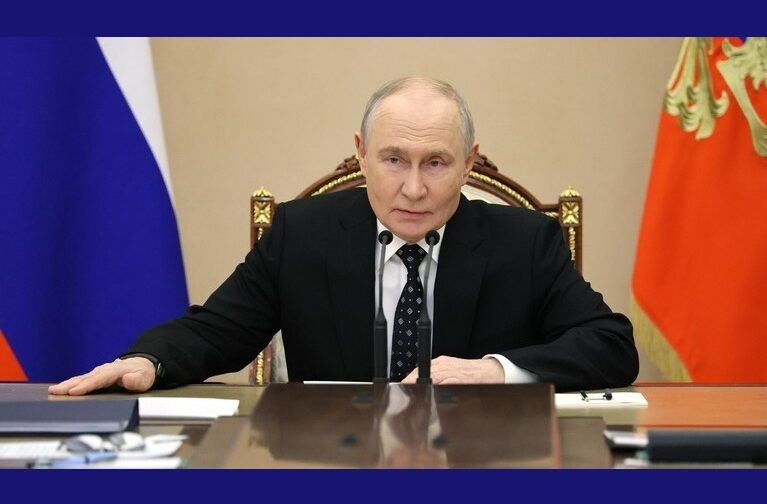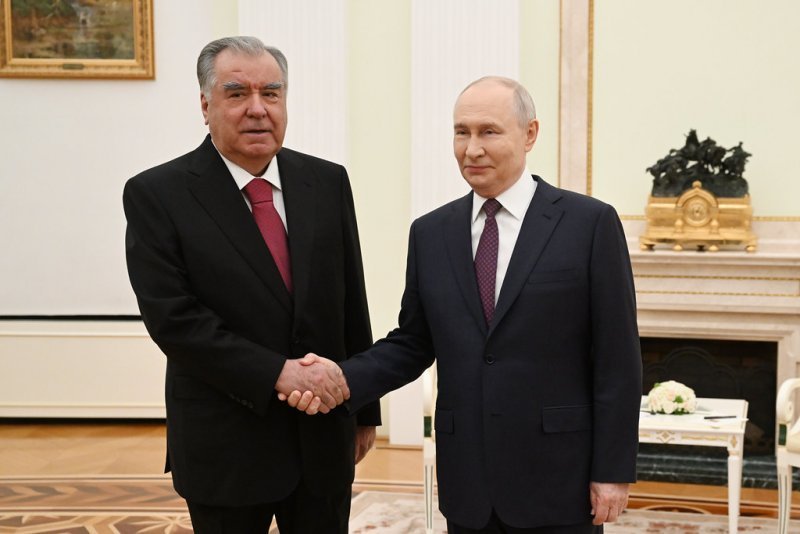
Dushanbe, The Gulf Observer: President of the Republic of Tajikistan, Leader of the Nation Emomali Rahmon, and President of the Russian Federation Vladimir Putin held a working meeting in Moscow on November 12, during which the two leaders reviewed the full spectrum of Tajikistan-Russia relations and outlined new avenues for cooperation.
At the outset of the meeting, President Emomali Rahmon highly appreciated the results of the Russian Federation’s chairmanship of the Collective Security Treaty Organization (CSTO).
Rahmon-Putin Meeting Highlights High-Level Political Dialogue
During the substantive and constructive talks, the two sides discussed a wide range of bilateral and multilateral issues in a spirit of mutual understanding and full confidence. The high level of political dialogue between Dushanbe and Moscow was highlighted, with particular emphasis placed on the importance of consistently implementing previously reached bilateral agreements.
The two presidents also held a fruitful exchange of views on ensuring security and stability in the region, an area of shared priority for both countries.
Expanding Trade and Economic Cooperation
Both sides reaffirmed their commitment to expanding trade and economic relations and diversifying the structure of bilateral trade. The leaders emphasized the considerable potential for cooperation in energy, industry, agriculture, transport and logistics infrastructure, as well as public utilities.
New opportunities for broadening Tajikistan-Russia cooperation in modern sectors were also highlighted, including digitalization, artificial intelligence, electronic government services and cybersecurity.
Focus on Education, Culture and Labour Migration
In the humanitarian sphere, particular attention was paid to education, science and culture. The two sides discussed further support for cultural, educational and academic exchanges, as well as specific aspects of cooperation in the field of labour migration.
The presidents also exchanged views on pressing issues on the international and regional agenda, underscoring the continued close coordination between the two countries on matters of mutual interest.