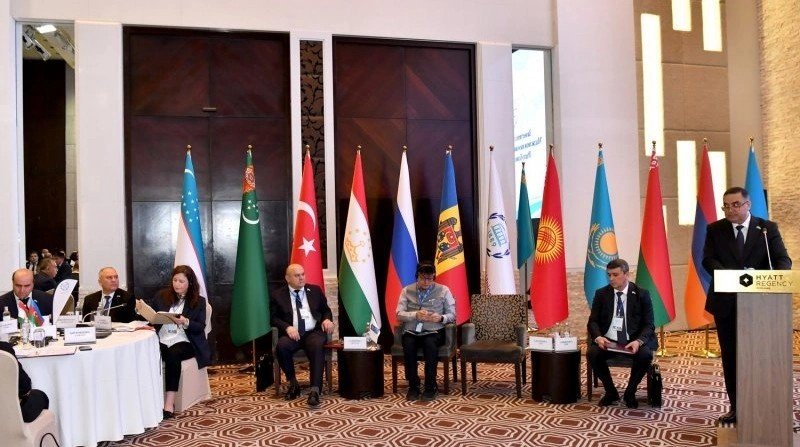
Dushanbe, May 25, 2026 – The Europe Today: As climate threats intensify across Eurasia, lawmakers, policymakers, and environmental experts gathered in the capital of Tajikistan for a high-level regional seminar aimed at strengthening parliamentary action on climate change and advancing sustainable development goals.
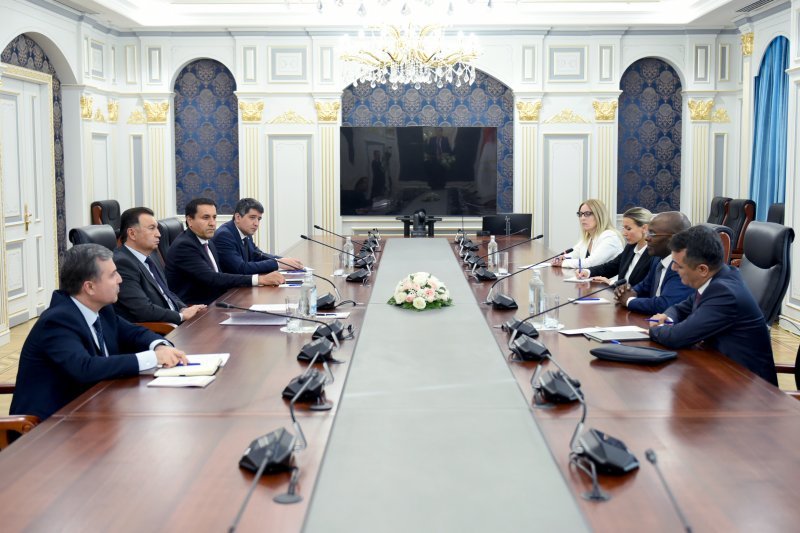
The seminar, held on Friday within the framework of the Fourth Dushanbe Water Conference and the World Water Agenda, was titled “Addressing Climate Change and Sustainable Development through Parliamentary Action.” It brought together parliamentary representatives from Eurasian countries and the Republic of Turkey, along with officials from the Inter-Parliamentary Union, international experts, regional organizations, and media representatives.
Organized at the initiative of the Majlisi namoyandagon Majlisi Oli of the Republic of Tajikistan in cooperation with the IPU, the forum focused on urgent global challenges including climate adaptation, protection of water resources, greenhouse gas reduction, regional cooperation, and the growing role of parliaments in shaping climate policy.
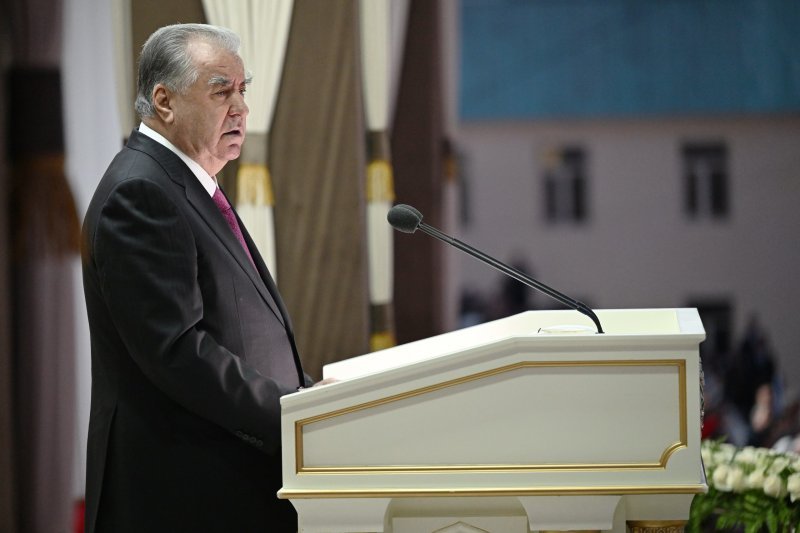
Opening the seminar, Deputy Chairman of the Majlisi namoyandagon Aziz Giyozoda warned that climate change has evolved beyond an environmental issue into a multidimensional threat affecting national security, economic development, and social stability.
He highlighted the increasing frequency of natural disasters, glacier melt, ecosystem degradation, and water scarcity as critical concerns requiring coordinated international and political responses.
“Tajikistan, as a mountainous country, remains among the states most vulnerable to climate change,” Giyozoda said, noting that more than 1,000 of the country’s over 13,000 glaciers have already disappeared, with serious implications for the wider Central Asian region.
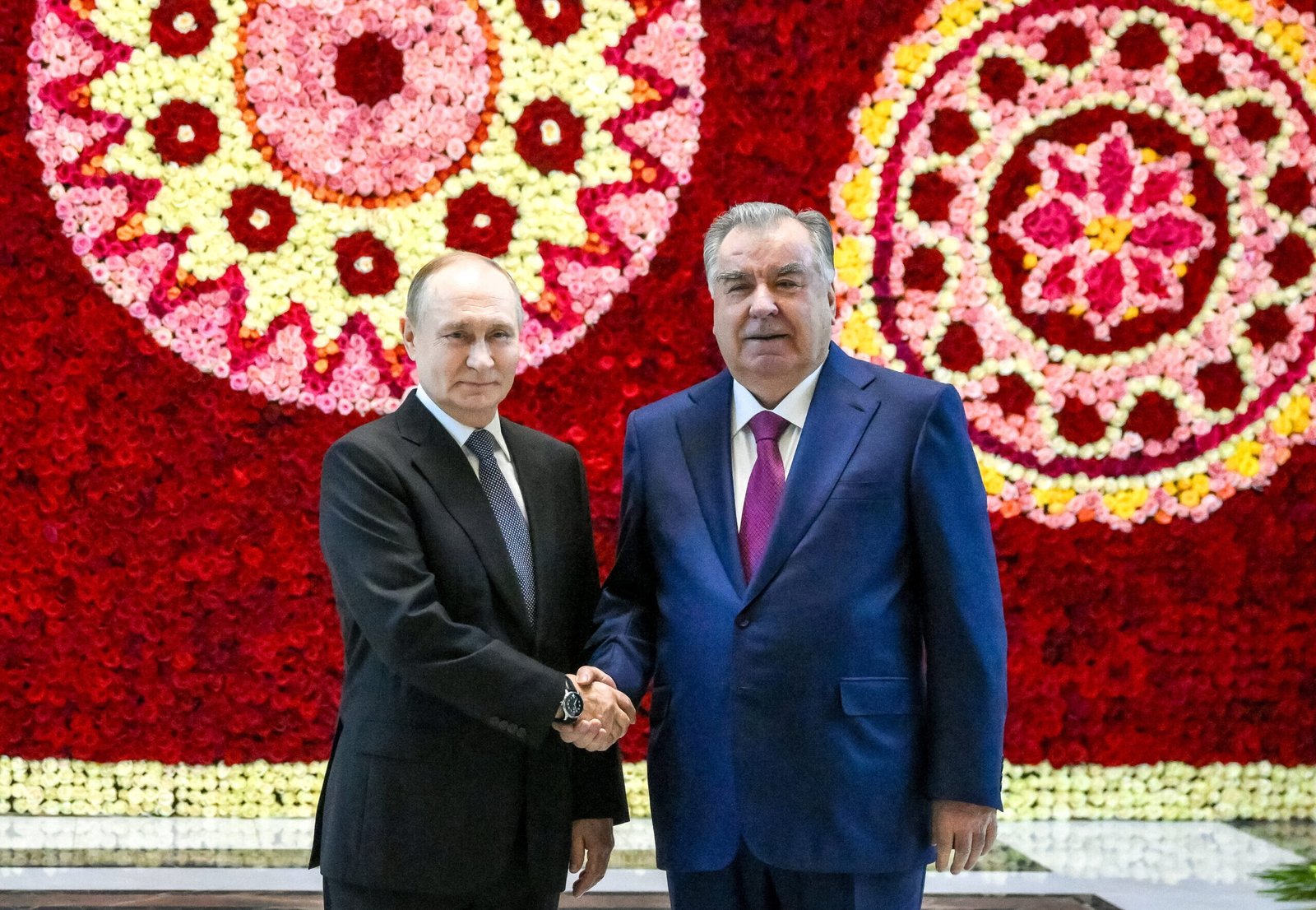
Participants emphasized international climate and water diplomacy initiatives led by the Leader of the Nation, Emomali Rahmon, particularly the adoption of a United Nations General Assembly resolution declaring 2025 the International Year of Glaciers’ Preservation, which was described as a major diplomatic achievement.
The seminar also reviewed Tajikistan’s domestic climate strategies, including the National Strategy for Climate Change Adaptation to 2030 and the Strategy for the Development of the Green Economy for 2023–2037.
Officials noted that around 98% of Tajikistan’s electricity is generated from hydropower, placing the country among global leaders in renewable and clean energy utilization.
Throughout the discussions, delegates called for enhanced international cooperation, stronger climate financing mechanisms, increased green investment, and improved access to environmentally sustainable technologies.
In a video message, Martin Chungong thanked the Tajik parliament for hosting the event and supporting global dialogue on climate action and sustainable development.
He warned that Eurasian countries are already facing severe impacts of climate change, including water shortages, air pollution, extreme weather events, and rising risks to food security.
Chungong stressed that parliaments play a vital role in advancing the Sustainable Development Goals through legislation, oversight, and policymaking, and reaffirmed the IPU’s commitment to strengthening inter-parliamentary cooperation.
During the seminar, experts and delegates exchanged views on climate resilience, water conservation, methane reduction, air pollution control, and the institutional role of parliaments in environmental governance.
At the conclusion of the forum, participants called for the establishment of permanent coordination mechanisms for inter-parliamentary cooperation on climate and water issues, emphasizing parliamentary diplomacy as an increasingly important tool for addressing global environmental challenges.