Stockholm, June 19, 2026 – The Europe Today: Morocco has reaffirmed its commitment to advancing the Women, Peace and Security (WPS) agenda, emphasizing the need for stronger international cooperation and inclusive policies to address the evolving challenges faced by women and girls in conflict-affected regions.
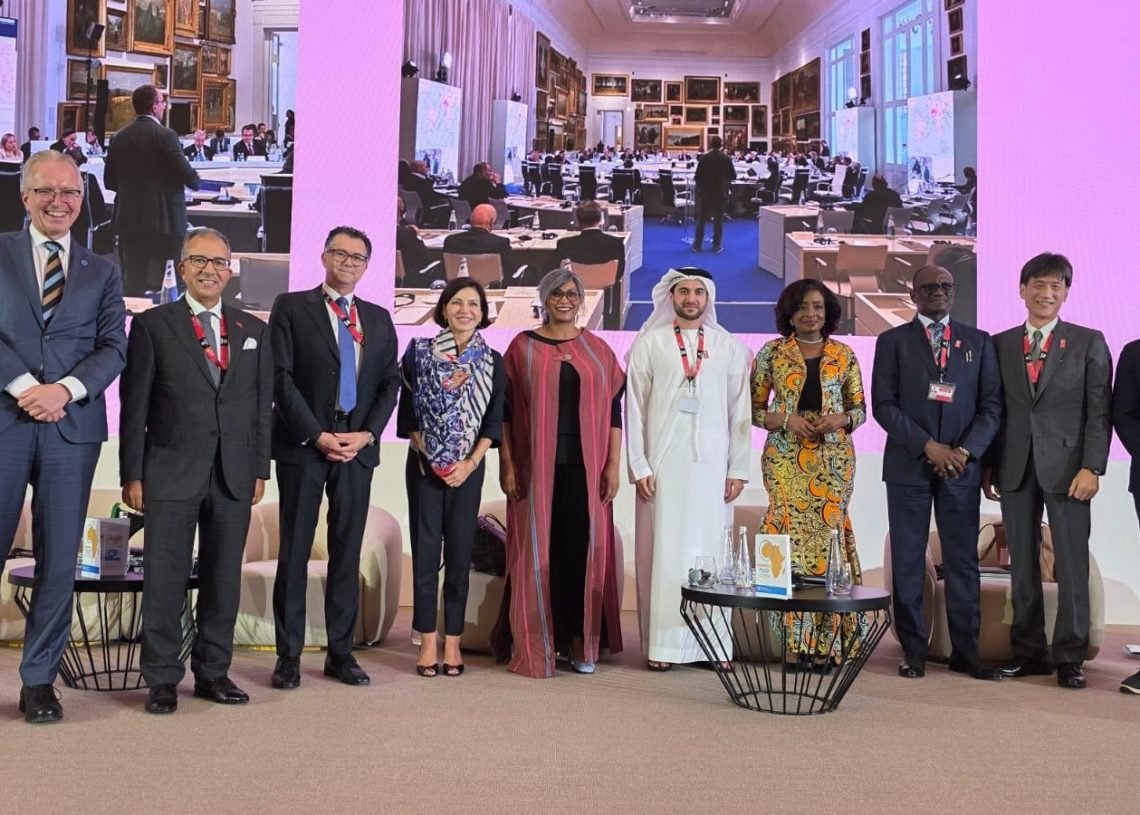
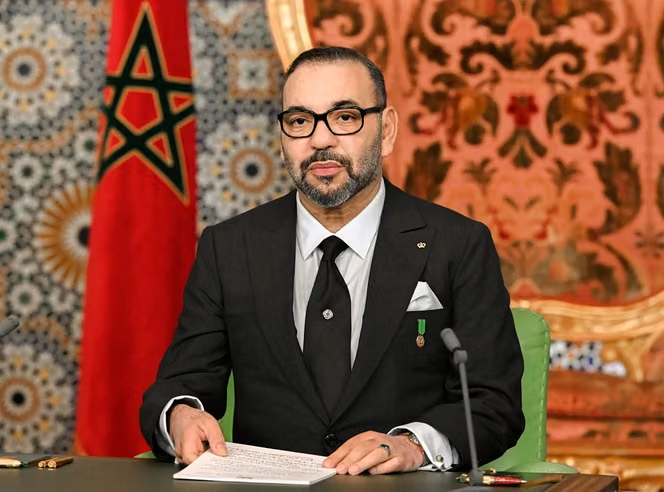
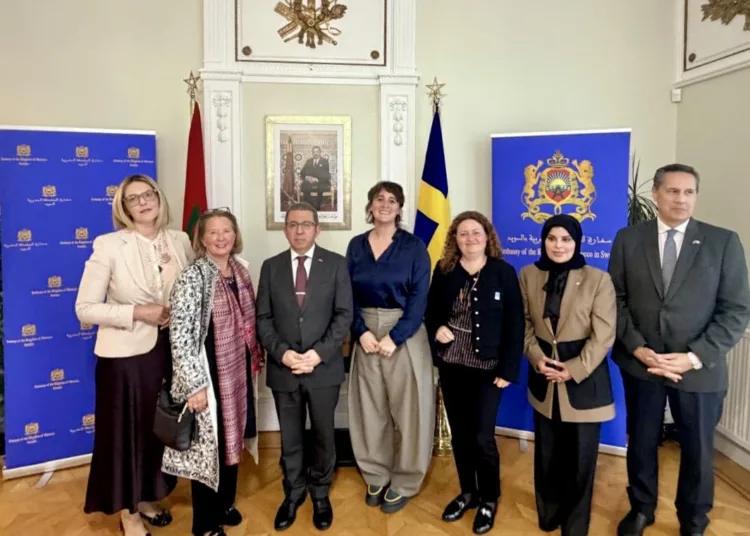
Speaking at a conference held at the Moroccan Residence in Stockholm, Moroccan Ambassador to Sweden, Karim Medrek, underscored Morocco’s dedication to promoting gender equality and women’s participation in peacebuilding efforts. Medrek addressed the gathering in his capacity as President of the Group of Ambassadors for Gender Equality.
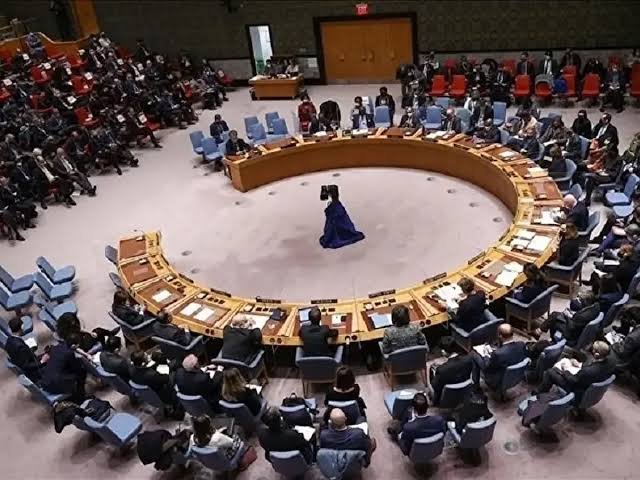
The ambassador highlighted the significant progress achieved since the adoption of United Nations Security Council Resolution 1325 in October 2000. He noted that the landmark resolution has strengthened recognition of women’s roles in conflict prevention, peacebuilding, and post-conflict recovery while drawing attention to challenges such as sexual and gender-based violence.
Medrek stressed that ongoing conflicts, climate change, insecurity, and emerging technologies continue to create new risks for women and girls worldwide. He argued that the WPS agenda must adapt to these changing realities while remaining anchored in its core principles.
Calling for a more inclusive and intersectional approach, the Moroccan diplomat emphasized the importance of addressing the diverse experiences of women affected by conflict, including young women, indigenous communities, displaced persons, women with disabilities, and those living in vulnerable circumstances.
The ambassador also highlighted Morocco’s national efforts to advance the agenda, citing the country’s National Action Plan on Women, Peace and Security (2022–2027). The initiative positions Morocco among the pioneering countries in the Arab region implementing the principles of Resolution 1325 through practical measures aimed at promoting women’s leadership, preventing gender-based violence, and enhancing women’s participation in mediation, conflict prevention, and peacebuilding.
The conference also featured remarks by Gretchen Baldwin, a senior researcher in the Peace Operations and Conflict Management Program at the Stockholm International Peace Research Institute. Addressing the theme “Back to Basics: Twenty-Five More Years of the Women, Peace, and Security Agenda,” Baldwin acknowledged the progress made while warning of persistent challenges in an increasingly militarized global environment.
She identified opportunities to strengthen the agenda through improved coordination between international frameworks, broader understanding of gender issues, and greater support for civil society organizations and local initiatives.
The United Nations continues to regard the WPS agenda as a critical framework for addressing conflict-related challenges, including violent extremism, civil wars, and internal conflicts. Its four key pillars focus on conflict prevention, equal participation of women in peace and security decision-making, protection from sexual and gender-based violence, and ensuring relief and recovery support for women and girls.
Despite these efforts, significant challenges remain. Recent UN findings on South Sudan highlighted the continuing prevalence of sexual and gender-based violence, with an estimated 2.5 million women and girls requiring protection and support services. The report warned that deep-rooted social stigma and fear of reprisals likely mean the true scale of abuse remains underreported.
The Stockholm conference concluded with renewed calls for stronger international action to ensure women remain at the center of peacebuilding and security efforts worldwide.