Agadir, July 7, 2026 – The Europe Today: Morocco’s House of Representatives has approved Draft Law No. 76.19, adopting the Multilateral Competent Authority Agreement on the Exchange of Country-by-Country Reports, reinforcing the Kingdom’s commitment to international tax transparency and administrative cooperation.
The agreement, signed by Morocco on June 25, 2019, establishes a legal framework for the automatic exchange of tax information between the competent authorities of participating countries. It forms part of the Organisation for Economic Co-operation and Development (OECD) initiative aimed at enhancing global cooperation in tax administration and combating tax avoidance.
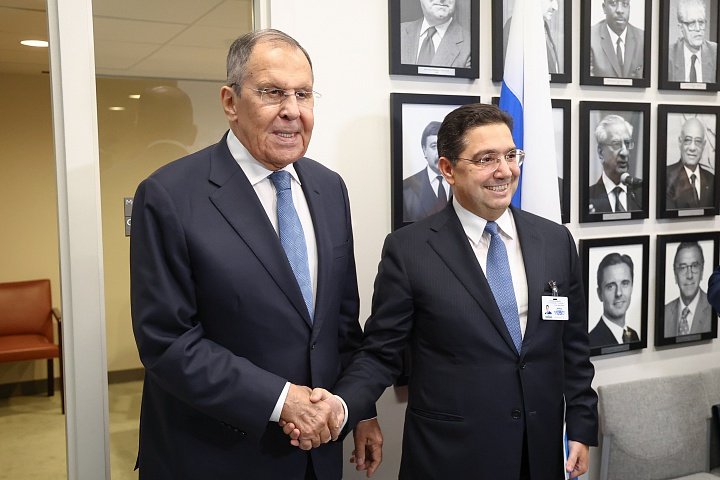
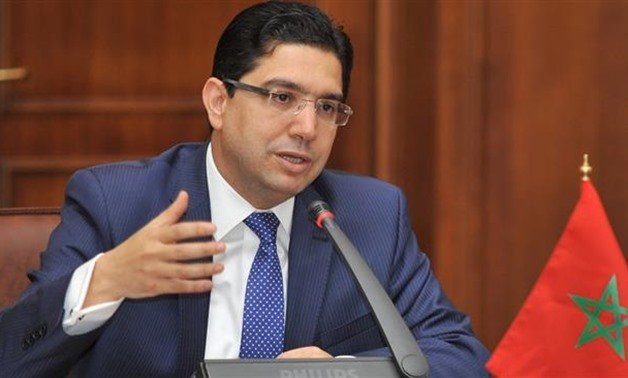
Presenting the draft law before Parliament, Foreign Minister Nasser Bourita said the agreement is one of four multilateral OECD tax agreements signed by Morocco in 2019. He noted that two of the agreements have already been adopted, while the remaining two, including the current legislation, have been undergoing the parliamentary approval process.
Bourita explained that the agreement provides an advanced legal framework enabling tax authorities to exchange information on the global allocation of profits, taxes paid, and key economic activity indicators of multinational enterprise groups. The mechanism is designed to improve transparency and help tax administrations ensure that multinational companies pay taxes in the jurisdictions where they conduct their business activities.
The Foreign Minister stressed that the agreement applies exclusively to large multinational corporations with annual revenues exceeding €750 million and does not apply to individuals, Moroccan citizens, members of the Moroccan diaspora, or small and medium-sized domestic enterprises.
He clarified that the automatic exchange of information will occur between the tax authority of the country where a multinational company is headquartered and the authorities in countries where it operates through subsidiaries or branches.
According to Bourita, the system is intended to identify harmful tax practices, combat tax evasion, and promote greater fairness in international taxation. Addressing concerns raised during parliamentary committee discussions, he reiterated that the agreement has a clearly defined scope and poses no impact on ordinary citizens or national businesses.
Bourita said Morocco’s accession to the agreement reflects the country’s commitment to participating actively in the international framework for financial and tax transparency rather than remaining outside global cooperation mechanisms.
He also dismissed suggestions that the agreement could undermine Morocco’s sovereignty, arguing that it instead strengthens the Kingdom’s international standing by positioning it as an active partner in global efforts to combat tax evasion and enhance financial transparency.
Following its approval by the House of Representatives, the draft law will proceed through the remaining stages of Morocco’s legislative process before entering into force.