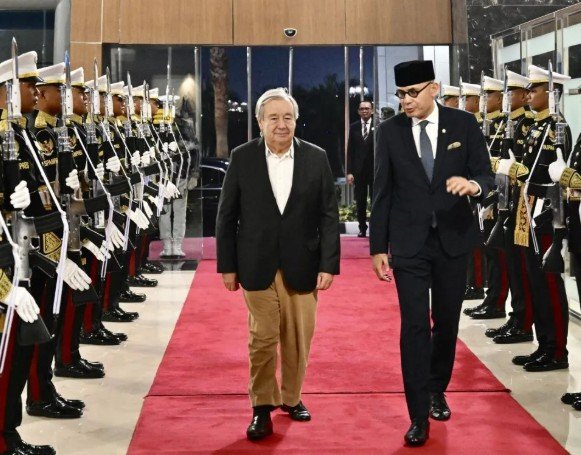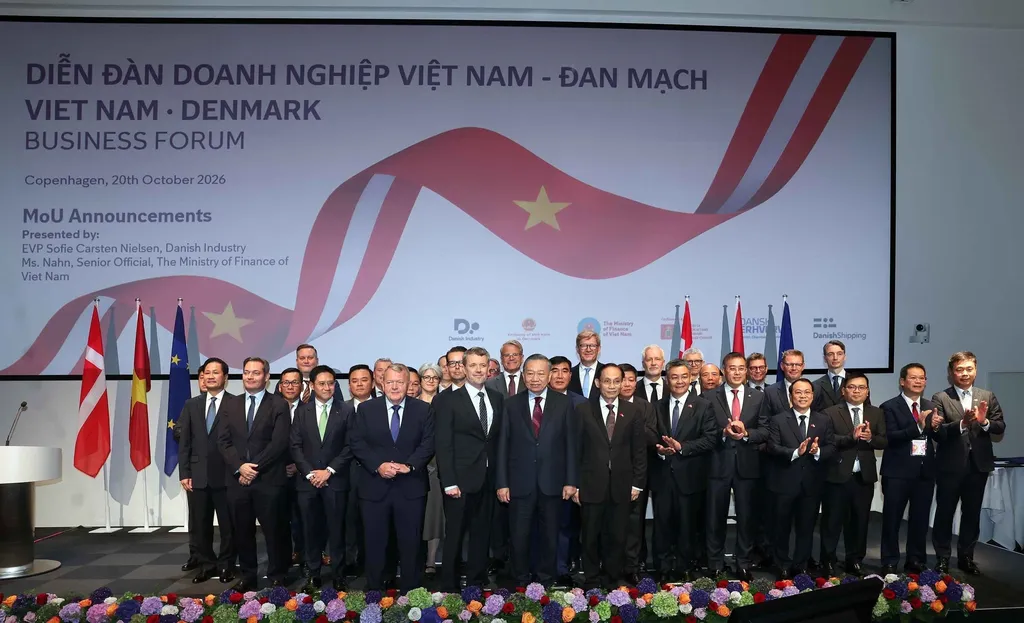
Copenhagen, October 21, 2026 – The Europe Today: Vietnamese Party General Secretary and State President Tô Lâm has called on Danish businesses to expand long-term investment in Vietnam, bringing advanced technologies, innovation and green solutions while strengthening partnerships with local enterprises.
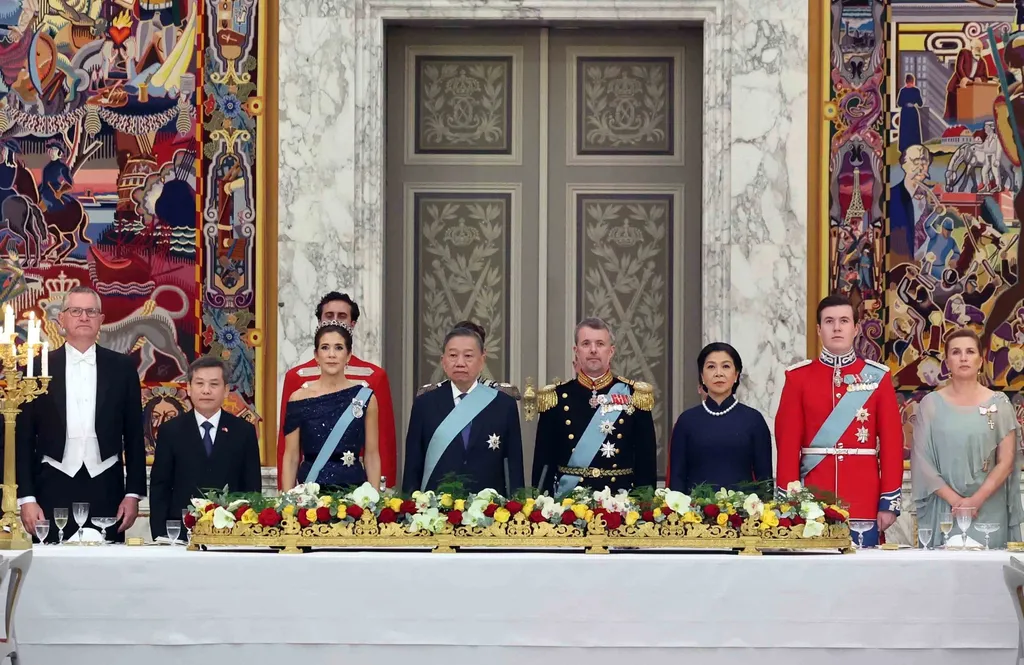
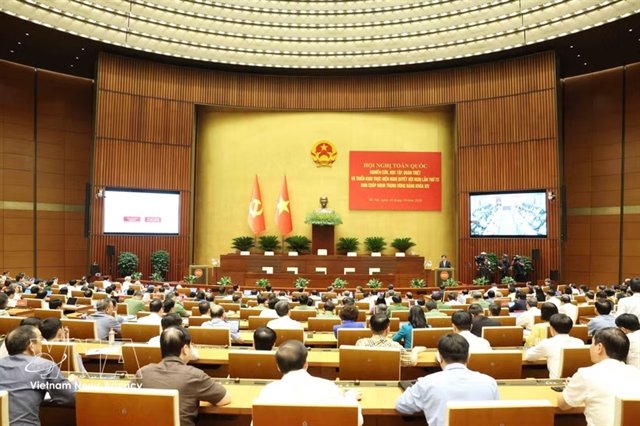
He made the remarks at the Vietnam–Denmark Business Forum in Copenhagen on Tuesday, held as part of his state visit to Denmark from October 19 to 21. The forum was attended by King Frederik X, representatives of government ministries, agencies, local authorities and business communities from both countries.
In his welcome remarks, King Frederik X noted that Denmark was among the largest European investors in Vietnam, highlighting significant opportunities to expand cooperation in energy efficiency, logistics, food production, biotechnology and healthcare.
He said Danish businesses could also contribute to job creation and skills development among Vietnamese workers. Describing the forum as an important milestone in bilateral relations, the King expressed hope that the discussions would generate practical solutions and new opportunities for cooperation.
President Tô Lâm said Vietnam and Denmark had developed strong relations over more than five decades, transforming their partnership from traditional development assistance into cooperation between equal partners focused on mutual benefits, green growth and sustainable development.
Despite global economic uncertainties, geopolitical conflicts, supply chain disruptions, fluctuating energy prices and increasing trade protectionism in 2026, Vietnam remained committed to maintaining macroeconomic stability, controlling inflation, ensuring major economic balances and promoting growth, he said.
The Vietnamese leader noted that his country was entering a new phase of development requiring rapid yet sustainable economic growth driven by science and technology, innovation, digital transformation, green transition and improved productivity.
To achieve its two centenary development goals and pursue double-digit economic growth during 2026–2030, Vietnam would mobilise resources across all economic sectors, with foreign-invested enterprises continuing to play an important role in the national economy.
President Tô Lâm stressed that Vietnam sought not only investment capital but also advanced technologies, professional expertise, modern management practices, research and development, highly skilled human resources and stronger connections between foreign investors and domestic businesses.
He invited Danish companies to contribute their experience, resources and international reputation to Vietnam’s development ambitions, emphasising that the success of investors was closely linked to the country’s economic progress and the well-being of its people.
He added that Vietnam would continue improving cooperation frameworks, facilitating trade and investment, strengthening business-to-business connections, promoting technology transfer and increasing domestic enterprises’ participation in sustainable value chains.
Opportunities in Green Energy, Technology and Manufacturing
President Tô Lâm identified significant opportunities to expand economic cooperation in sectors where Denmark possesses expertise and Vietnam seeks additional investment.
These include renewable energy, logistics, seaports, green shipping, science and technology, innovation, environmental technologies, water management, agriculture, food production, healthcare, life sciences, green manufacturing, the circular economy and carbon emissions reduction.
He encouraged Danish businesses to view Vietnam as a long-term manufacturing base, a logistics and innovation hub, a dynamic regional consumer market and an increasingly important link in global supply chains.
The Vietnamese leader also called on the Danish government and relevant agencies to facilitate long-term Danish investment in Vietnam, particularly in renewable energy, infrastructure, logistics, high technology, green transition, pharmaceuticals, biotechnology and high-tech agriculture.
He expressed Vietnam’s hope that Denmark would provide greater support for green finance, technology transfer, workforce training and business connectivity. He also encouraged Danish financial institutions and investment funds to participate in major strategic projects in Vietnam.
President Tô Lâm further emphasised the need to strengthen policy dialogue, promote investment and develop concrete cooperation projects that would translate bilateral commitments into measurable outcomes.
From Investment to Innovation and Sustainable Growth
Calling for a deeper and more integrated economic partnership, President Tô Lâm encouraged Danish companies to move from simply “investing in Vietnam” to “investing alongside Vietnam” by establishing stronger links with domestic enterprises.
He also urged businesses to shift from “producing in Vietnam” towards “researching, innovating and making in Vietnam,” while placing greater emphasis on green and sustainable growth.
The Vietnamese leader highlighted the importance of cooperation in clean energy, green logistics, low-carbon manufacturing, the circular economy and supply chains that meet high European and international standards.
Reaffirming Vietnam’s commitment to working closely with the business community, he said the government would continue improving its institutional framework and investment climate, streamlining administrative procedures, developing infrastructure, upgrading workforce skills and facilitating trade and investment.
He added that the authorities would work to address investors’ concerns promptly and create favourable conditions for businesses to establish and expand long-term operations in the country.
Bilateral Cooperation Documents Exchanged
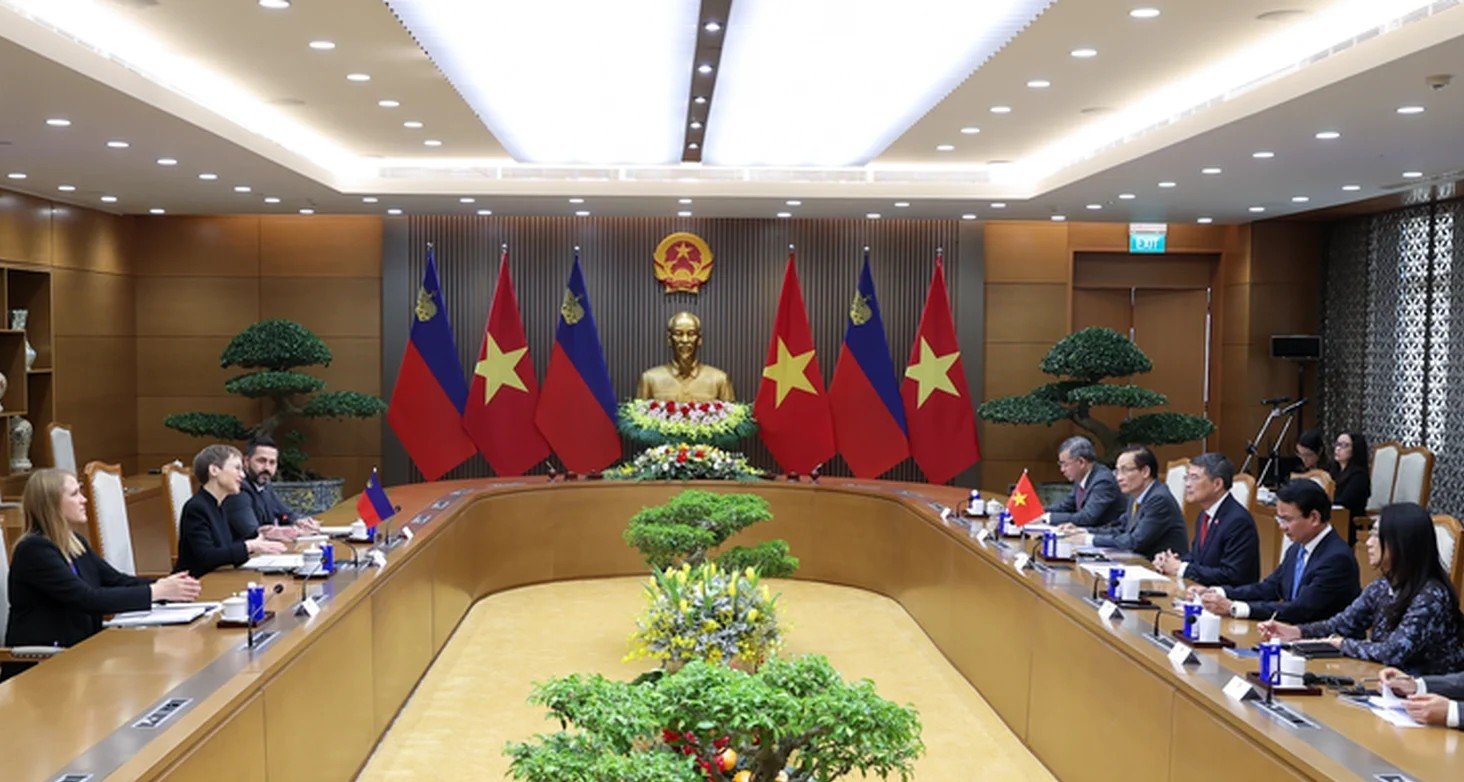
At the conclusion of the forum, President Tô Lâm and King Frederik X witnessed the exchange of cooperation documents between the two countries, covering several strategic sectors.
The documents included cooperation in life sciences, advanced biomedicine, digital healthcare transformation, innovation and human resource development; chemicals, fertilisers and sustainable energy; offshore wind power; aviation supplies, supply chains and services; quantum science and information technology; and STEAM education.
The agreements reflected the two countries’ intention to broaden commercial engagement, encourage technological collaboration and strengthen business links under their expanding bilateral partnership.