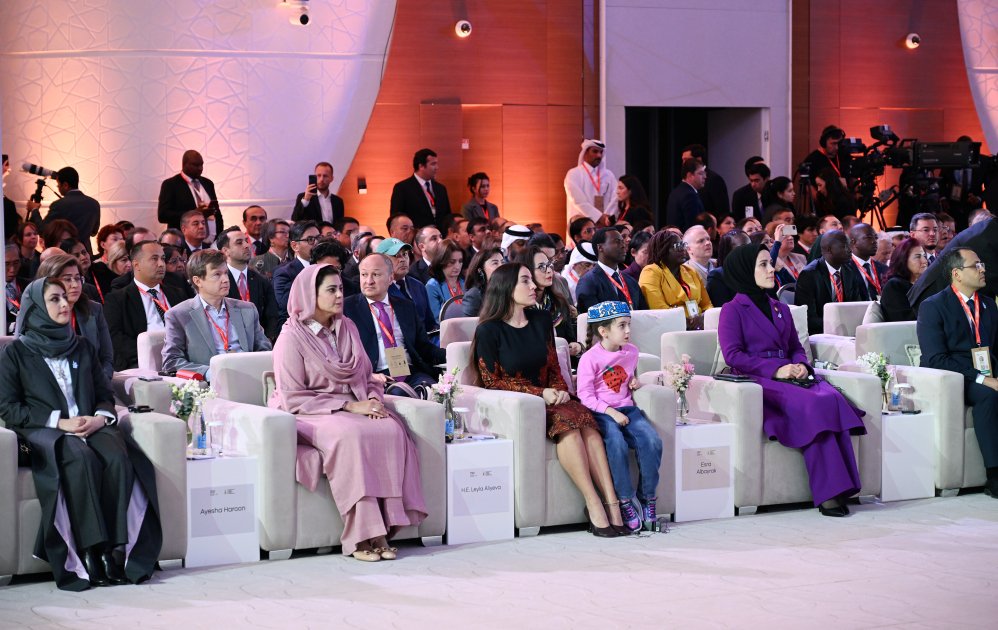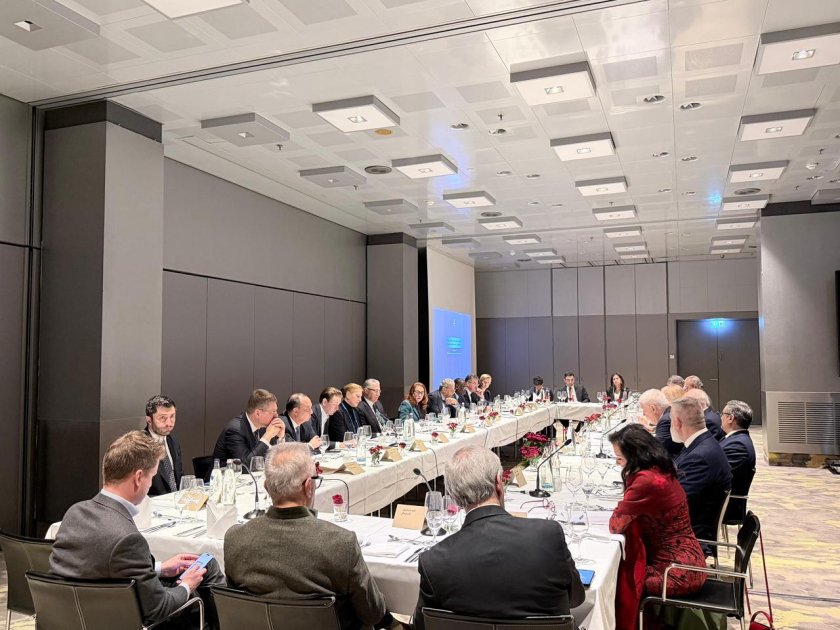
Baku, February 16, 2026 – The Europe Today: A high-level event themed “Multilateralism in a Fractured Global Order Format” was organized by the Nizami Ganjavi International Center on the margins of the Munich Security Conference, bringing together prominent global leaders and policymakers.
The roundtable discussion focused on preserving the effectiveness and legitimacy of multilateralism amid ongoing geopolitical fragmentation, as well as exploring potential reforms in the activities of the United Nations as it approaches its 80th anniversary.
Approximately 40 high-level participants from more than 15 countries attended the event, including senior UN officials, former heads of state and government, ministers, leaders of regional organizations, and leading strategic experts.
The sessions featured addresses by Mukhtar Babayev, Representative of the President of Azerbaijan on Climate Issues and COP29 President; Prince Turki AlFaisal, Chairman of the Board of Directors of the King Faisal Center for Research and Islamic Studies; Boris Tadić; Macky Sall; Eduards Stiprais; María Fernanda Espinosa Garcés; Sodiq Safoyev; and Sebastian Kurz.
During a dedicated lunch session, further insights were shared by Miguel Ángel Moratinos, United Nations Under-Secretary-General and High Representative for the United Nations Alliance of Civilizations; Amr Moussa; Tzipi Livni; George Papandreou; Miroslav Lajčák; Eldor Aripov; and Rovshan Muradov, Secretary-General of the Nizami Ganjavi International Center.
Discussions centered on emerging collaborative frameworks in Central Asia and the South Caucasus, the increasing strategic significance of the Trans-Caspian connection, and the importance of post-conflict normalization processes and regional initiatives in strengthening global cooperation.
Participants emphasized the need to reinforce inclusive multilateral mechanisms and adapt international institutions to contemporary challenges in order to safeguard stability, security, and sustainable development in an evolving global order.