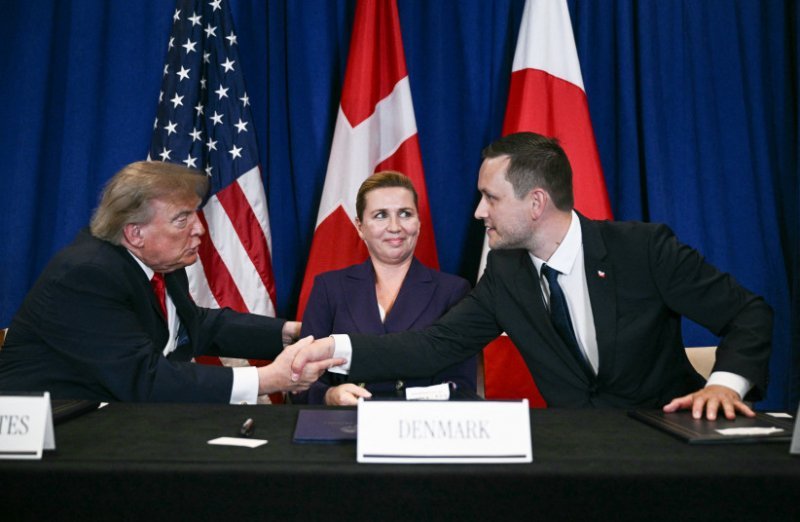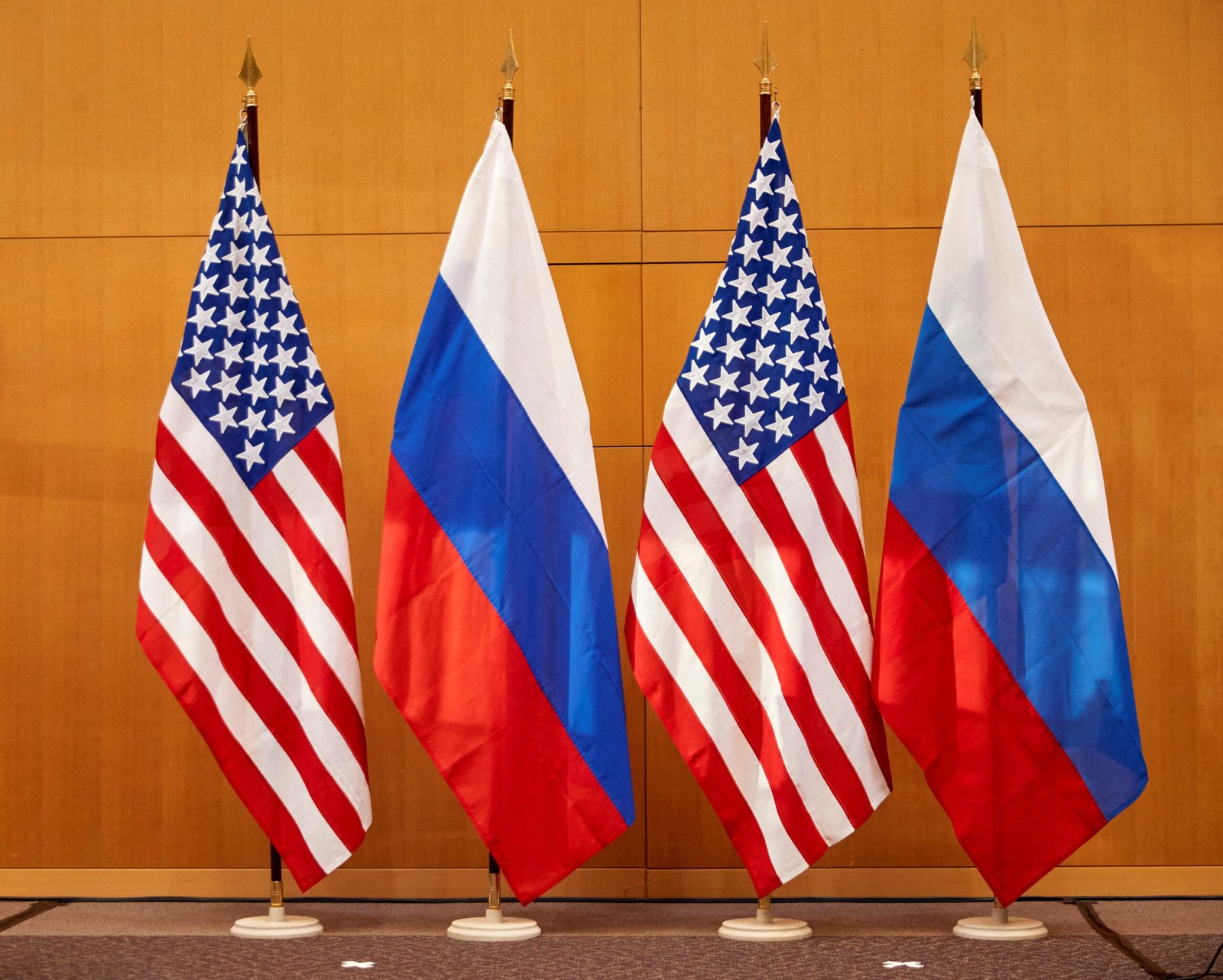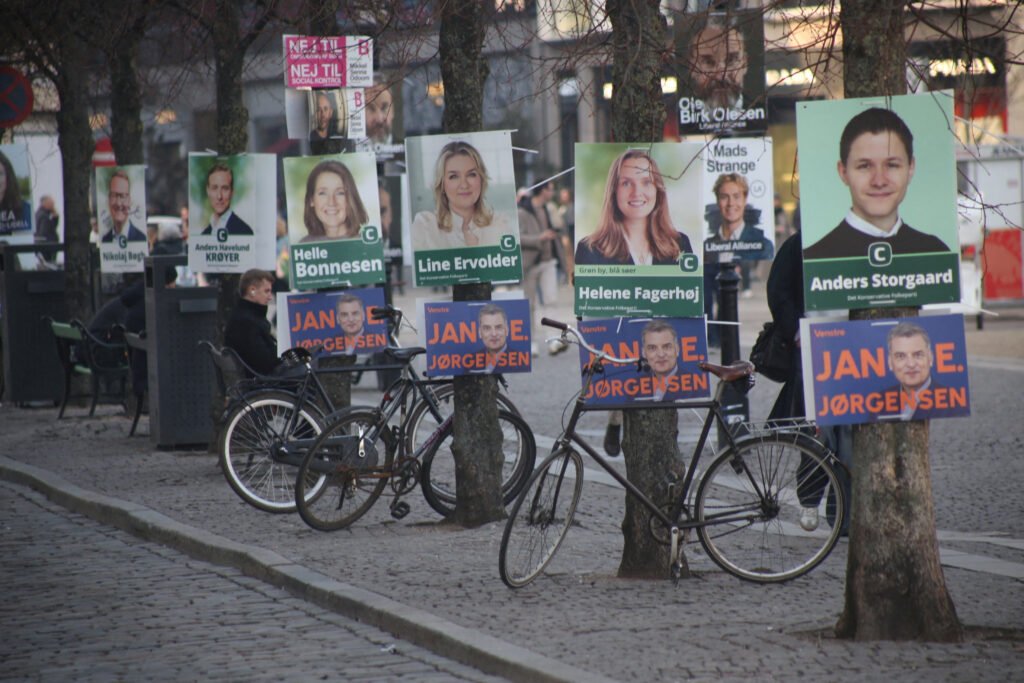
Copenhagen, March 22, 2026 – The Europe Today: Denmark will head to the polls on March 24 for snap parliamentary elections to elect 179 members of the Folketing, as Prime Minister Mette Frederiksen seeks to consolidate political support following tensions with the United States over Greenland’s sovereignty.
The elections come after the Social Democrats underperformed in local polls last November, prompting Frederiksen to recalibrate her political strategy. Recent national polling suggests a modest recovery, with the party projected to secure around 21 percent of the vote—an increase that influenced the decision to call early elections.
Greenland Dispute Shapes Political Landscape
The diplomatic standoff with the United States—linked to renewed interest in Greenland—has played a central role in shaping voter sentiment. Frederiksen’s firm stance in defending Denmark’s territorial integrity has triggered a “rally around the flag” effect, boosting public confidence in her leadership.
Analysts note that the crisis has shifted public debate away from domestic issues such as housing costs, placing national security and sovereignty at the forefront of the election campaign.
Challenges in US-Denmark Relations
The next Danish government is expected to face significant challenges in managing its relationship with Washington. Despite tensions, Denmark has maintained its commitment to transatlantic cooperation, working closely with NATO allies to counter pressure over Greenland.
However, experts caution that the issue remains unresolved. Denmark is likely to increase defense spending and strengthen its military capabilities, particularly in the Arctic region, while advocating for a greater NATO presence in the High North amid growing geopolitical competition involving Russia and China.
Public Sentiment Shifts
Public attitudes toward the United States have notably shifted. Surveys indicate that a majority of Danes now view the US as an adversary rather than an ally, reflecting the fallout from the Greenland dispute.
Despite this, Danish leadership has adopted a measured and pragmatic approach. Foreign policy decisions continue to prioritize European and national interests while avoiding escalation, demonstrating a balanced diplomatic stance.
Election Outlook
While Frederiksen’s international profile and handling of the crisis may translate into electoral gains, analysts suggest that the outcome could still produce a fragmented political landscape. Denmark may once again see a centrist coalition government representing a broad ideological spectrum.
The snap elections highlight how external geopolitical tensions can reshape domestic politics. For Denmark, the Greenland crisis has become both a challenge and an opportunity—reinforcing national unity while exposing vulnerabilities in key alliances.
The results of the March 24 vote will not only determine the country’s internal political direction but also influence how Copenhagen navigates an increasingly complex international environment, particularly its relationship with the United States and its role within NATO.