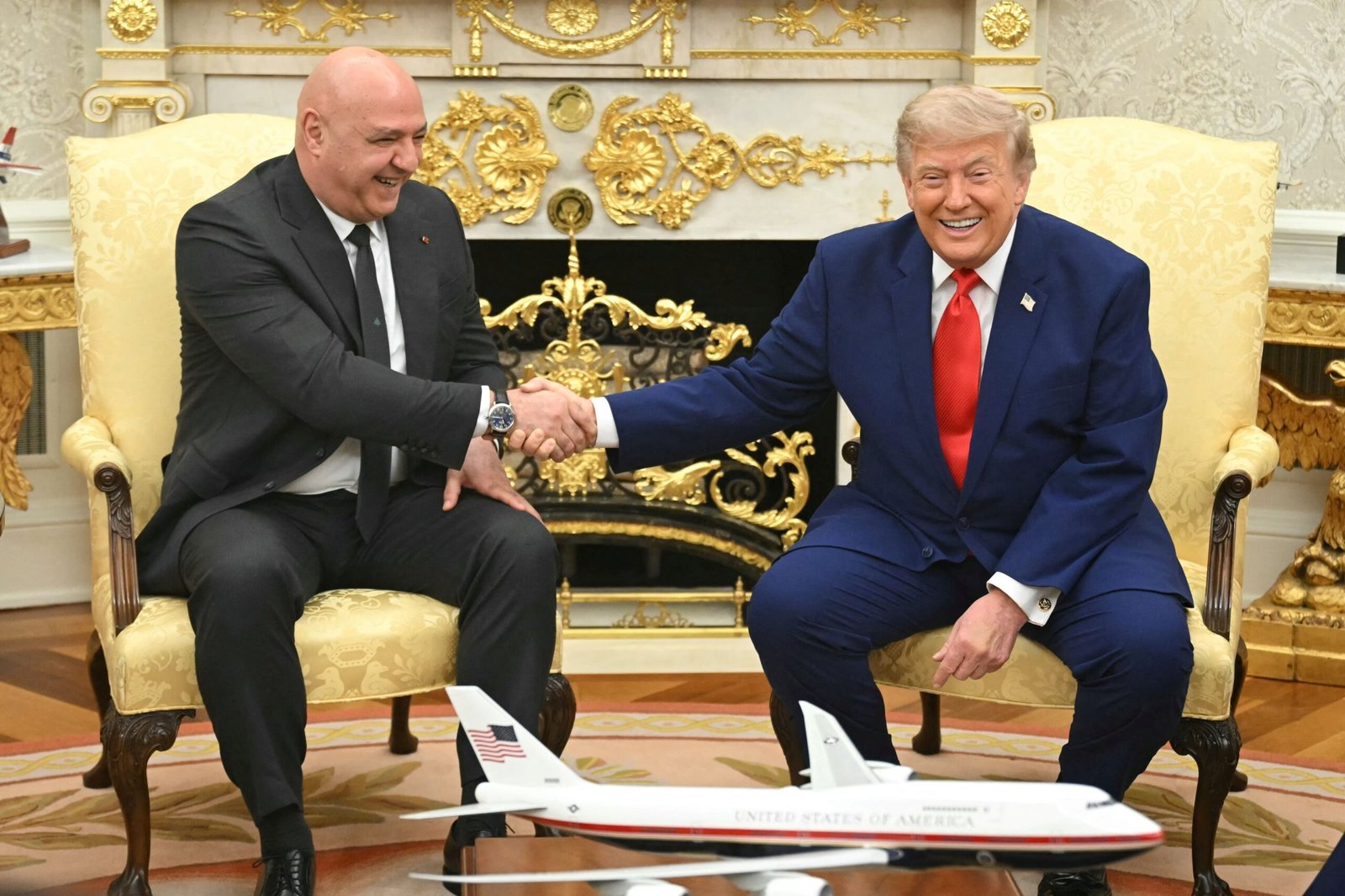
Washington, April 30, 2026 – The Europe Today: US President Donald Trump has rejected a proposal from Tehran to reopen the strategically vital Strait of Hormuz, opting instead to continue a naval blockade aimed at increasing pressure on Iran over its nuclear programme, according to media reports.
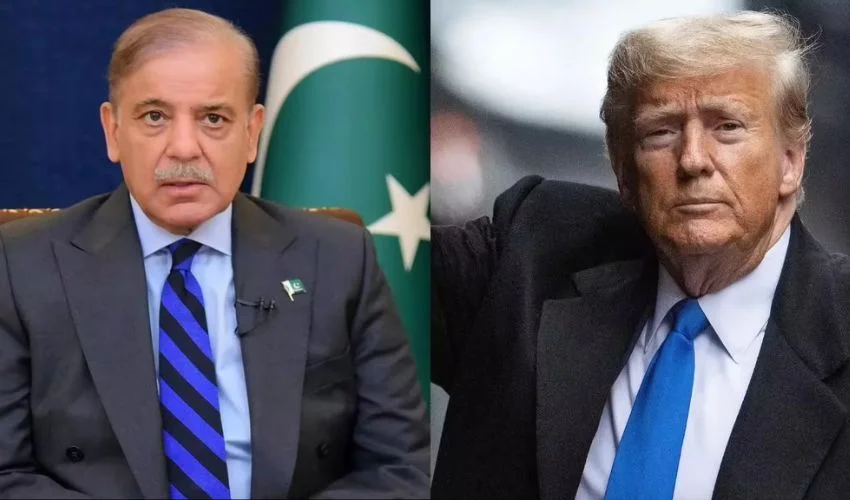
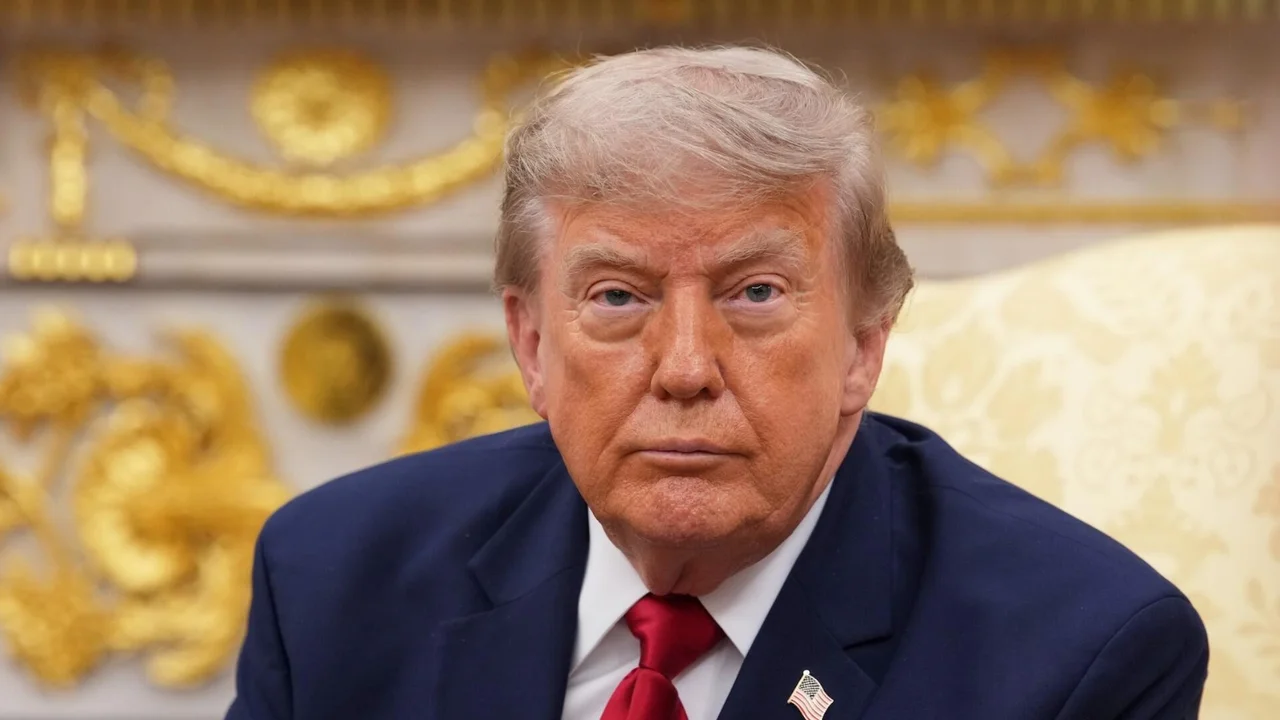
Speaking to Axios, President Trump said the blockade was proving more effective than direct military action. “The blockade is somewhat more effective than the bombing. They are choking,” he stated, adding that the situation for Iran “is going to be worse.”
The US leader claimed that Iran had sought an agreement to lift the blockade, which has significantly restricted its oil exports. However, he dismissed Tehran’s proposal to reopen the waterway while postponing nuclear negotiations, reiterating that preventing Iran from acquiring nuclear weapons remains his primary objective.
Trump further asserted that the continued inability to export oil has placed severe strain on Iran’s infrastructure.
While maintaining the blockade as a key pressure tool, reports indicate that the United States Central Command has prepared contingency plans involving a “short and powerful” wave of aerial strikes should diplomatic efforts fail. However, no authorisation for such action has been granted so far.
In recent statements, President Trump urged Iran to reach an agreement swiftly, warning that patience was wearing thin. In a post on his Truth Social platform, he cautioned Tehran to “get smart soon” regarding a nuclear deal.
The latest developments follow a period of heightened tensions in the region. The United States and Israel launched a joint offensive against Iran on February 28, prompting retaliatory strikes by Tehran targeting what it described as US-linked interests across the region.
A ceasefire was later announced on April 8 through Pakistan’s mediation, followed by negotiations held in Islamabad on April 11–12. However, the talks concluded without a breakthrough. President Trump subsequently stated that the truce had been extended at Pakistan’s request pending further proposals from Iran.
Despite Tehran’s latest offer to reopen the Strait of Hormuz, Washington appears firm in linking any de-escalation to progress on nuclear negotiations, underscoring ongoing uncertainty in efforts to resolve the conflict.