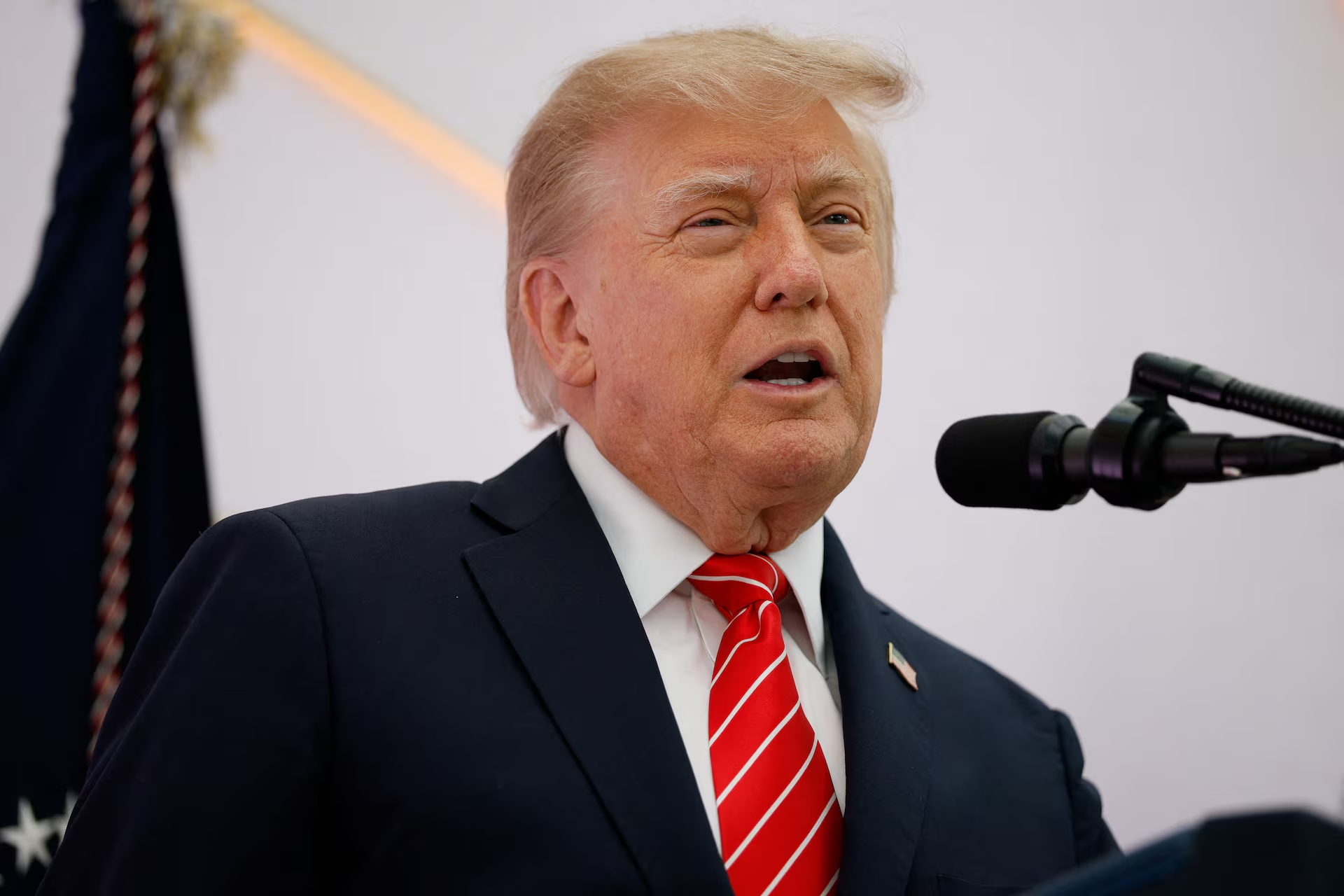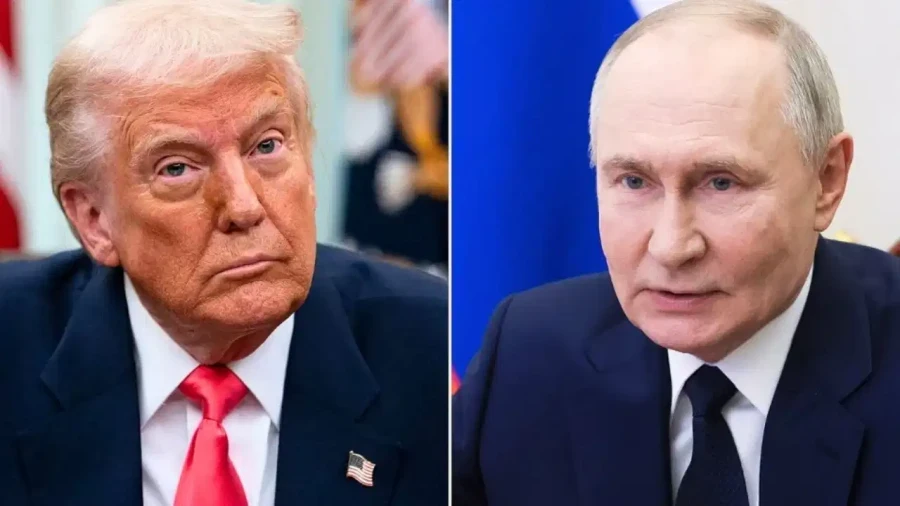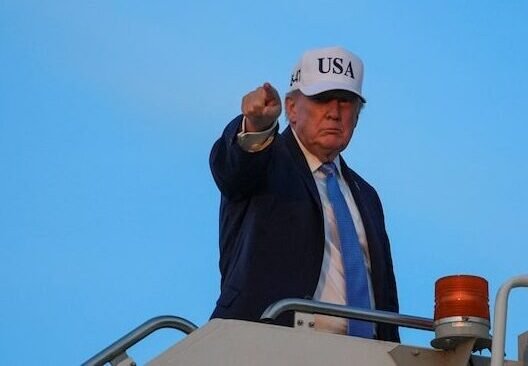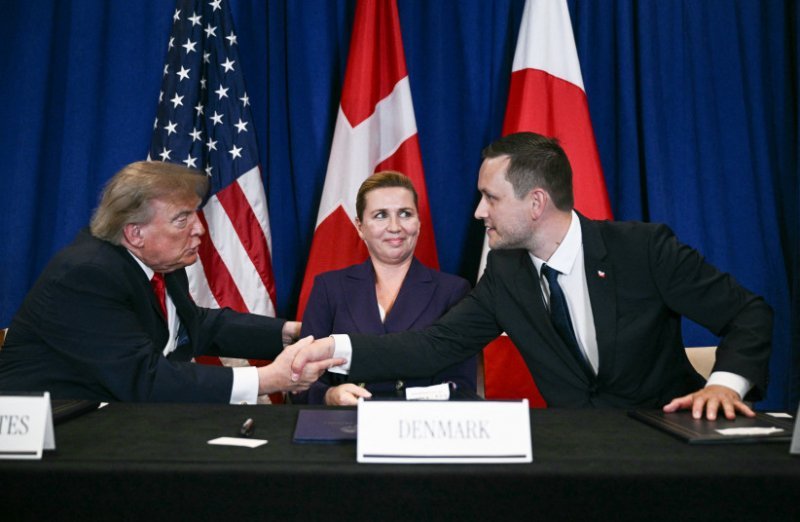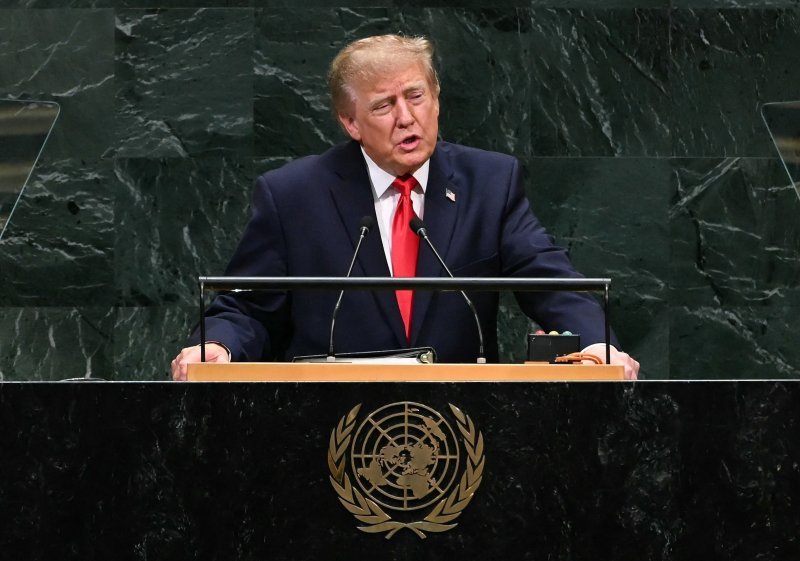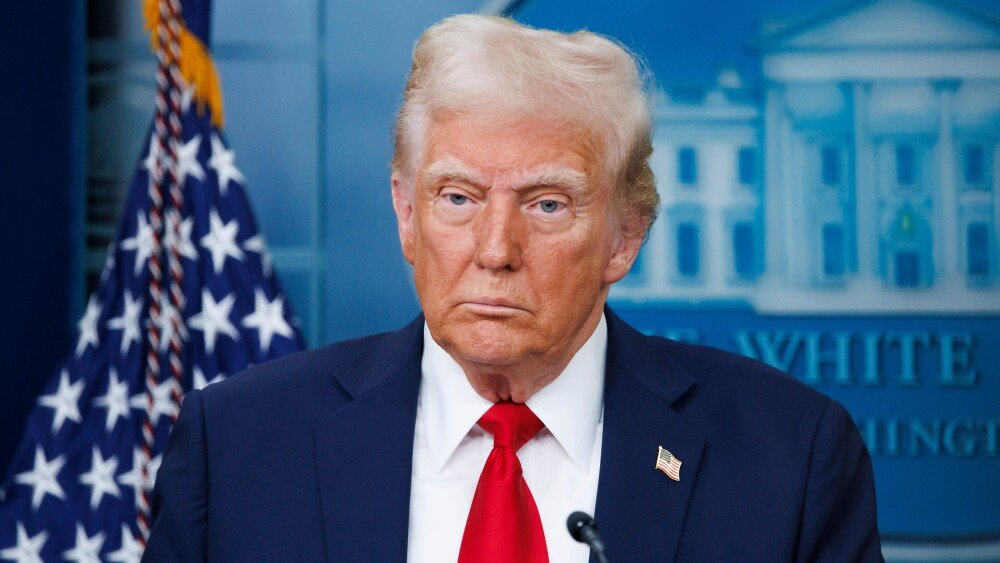
Washington, April 28, 2026 – The Europe Today: U.S. President Donald Trump has expressed dissatisfaction with a proposal from Iran to reopen the Strait of Hormuz and move toward ending the ongoing U.S.-Israeli conflict, according to a report published on Monday.
Citing officials familiar with the matter, The New York Times reported that President Trump was briefed on the proposal during a White House Situation Room meeting. The plan reportedly includes the lifting of a U.S. blockade on the strategically vital waterway in exchange for a prolonged or permanent ceasefire.
However, the proposal does not address Iran’s nuclear programme — a central demand of the United States. Both U.S. and Iranian officials indicated that Tehran has not agreed to halt uranium enrichment or relinquish its existing stockpile, positions that remain key sticking points in negotiations.
Iran has consistently maintained that its nuclear activities are lawful under international frameworks and has rejected U.S. calls for a complete cessation of enrichment.
While the precise reasons for President Trump’s dissatisfaction were not disclosed, officials suggested that accepting the proposal without nuclear concessions could undermine Washington’s negotiating position. One U.S. official, speaking on condition of anonymity, noted that such a deal might deny the administration a clear diplomatic victory.
White House spokesperson Olivia Wales stated that the United States remains firm on its position. “The United States will not negotiate through the press — we have been clear about our red lines, and the president will only make a deal that’s good for the American people and the world,” she said.
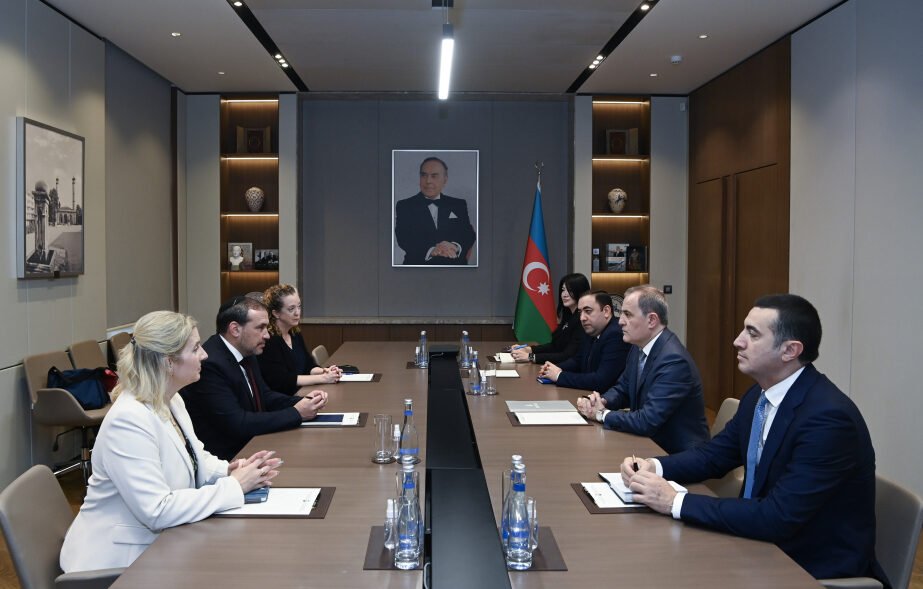
Earlier, Axios reported that Iranian Foreign Minister Abbas Araghchi had conveyed the proposal to Pakistani mediators as part of ongoing diplomatic efforts.
Under the reported framework, nuclear negotiations would only commence after the reopening of the Strait of Hormuz and the removal of restrictions, a sequencing that Washington appears unwilling to accept.
The latest development follows President Trump’s rejection of a previous Iranian proposal and his decision to cancel scheduled negotiations in Islamabad over the weekend. U.S. officials told The New York Times that Iranian negotiators lacked authorization to make concessions on nuclear issues, further complicating diplomatic progress.
Within the U.S. administration, discussions are ongoing regarding the extent of economic pressure Iran can endure under the current blockade of the Strait of Hormuz, a key global energy corridor.
According to officials, Iran’s oil production is exceeding its storage capacity, and shutting down wells could cause significant long-term damage. Some policymakers believe this pressure could eventually compel Tehran to compromise, while others argue that recent military developments have only hardened Iran’s stance.
The impasse highlights the continuing challenges facing international efforts to de-escalate tensions and reach a comprehensive agreement addressing both security concerns and nuclear issues.