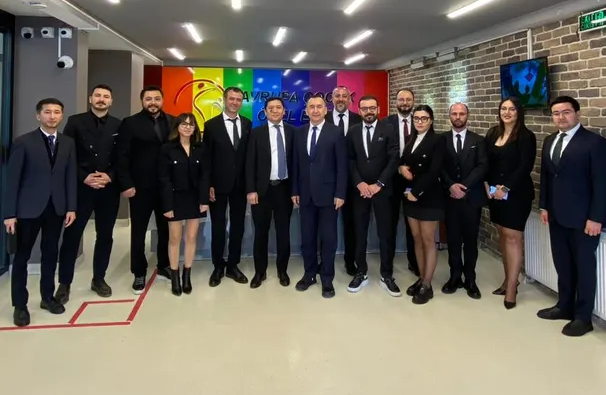
Since 2010, the “Avrupa Çocuk” Rehabilitation Centers have been operating as a rehabilitation model founded by expert special education professionals, based on accessibility, scientific methodology, and social integration. Established under the leadership of Special Education Specialist Salih SUNELCAN, these centers, with a workforce of 500 staff members and support provided to 5,000 children with special needs, deliver comprehensive assistance to individuals with intellectual, auditory, physical, and developmental differences, encompassing education, healthcare, and social participation processes through an integrated approach.
The transfer of this successfully implemented model in Türkiye to the Republic of Uzbekistan represents not only a reform in the fields of health and education but also a strategic transformation in terms of social development and human capital strengthening. Within the framework of the “New Uzbekistan” vision, the proposed project aims to transform individuals with disabilities from home-bound dependency into productive, independent, and socially integrated members of society.
1. A Holistic Rehabilitation System within the Türkiye Model
The core approach of the Avrupa Çocuk Rehabilitation Centers is a multidimensional rehabilitation system that contributes not only to the physical and cognitive development of individuals but also to their social adaptation, psychological resilience, and productivity. In this context, individuals with intellectual disabilities receive special education programs, individual and group therapies, music therapy, fine motor skill development training, and structured social activities.
For individuals with hearing impairments, the program includes language and speech training, lip-reading instruction, sign language support, psychological counseling, and occupational therapy aimed at enhancing daily life skills. For individuals with physical disabilities, physiotherapy, spatial therapy, and hydrotherapy applications are implemented, while children with autism receive sensory integration therapy, speech and language therapy, and individualized education programs.
The adaptation of this system to Uzbekistan would transform rehabilitation services from a purely treatment-oriented structure into a sustainable model integrating education, social inclusion, and vocational development. The process would be coordinated under a unified framework involving diagnosis, pedagogical assessment, expert referral, and structured rehabilitation interventions, delivered by specialized multidisciplinary teams tailored to specific disability profiles.
2. Social Transformation and Contributions to State–Society Structure in Uzbekistan
One of the primary objectives of the project is to reduce the socio-economic burden on the state and society by enabling the active participation of individuals with disabilities in social life. In particular, integrating home-bound individuals into rehabilitation processes is expected to facilitate mothers’ participation in the workforce and to enhance the quality of care and development of other children within the family.
This model represents a broader social development vision grounded in the principle of “a healthy child, a healthy family, a healthy society,” rather than focusing solely on individual rehabilitation. Based on Türkiye’s experience, the project aims to enable Uzbekistan to achieve its projected 20-year social transformation capacity within a significantly shorter timeframe of approximately six years.
Furthermore, individuals who complete rehabilitation programs are planned to be reintegrated into the system through vocational training, production activities, and employment pathways. Thus, rehabilitation centers are envisioned not merely as treatment institutions but as social development hubs that enhance societal productivity. This approach is expected to strengthen both the social inclusion of individuals with disabilities and the economic capacity of families and society at large.
3. Fieldwork, Institutional Cooperation, and Regional Leadership Vision in Uzbekistan
The activities of the Avrupa Çocuk Rehabilitation Centers in Uzbekistan extend beyond a theoretical framework and are grounded in practical field operations. Within this scope, three physical seminars were conducted in collaboration with the Uzbek partner “Sevinch Logoped Center”—one in Khorezm and two in Tashkent—alongside a total of four comprehensive training programs, including online sessions. These seminars facilitated direct knowledge transfer between Turkish and Uzbek specialists in areas such as special education systems, rehabilitation methodologies, occupational therapy, autism interventions, sensory integration, speech and language therapy, and family support mechanisms.
In addition, the management of the Avrupa Çocuk Rehabilitation Centers has maintained ongoing engagement with the Ministry of Health of Uzbekistan, opening 13 centers in Istanbul to Uzbek officials for institutional observation while also conducting on-site evaluations of rehabilitation infrastructure in Uzbekistan. The technical reports prepared following these field visits were shared with relevant experts and institutions in Uzbekistan, thereby establishing a scientific and institutional foundation for implementation.
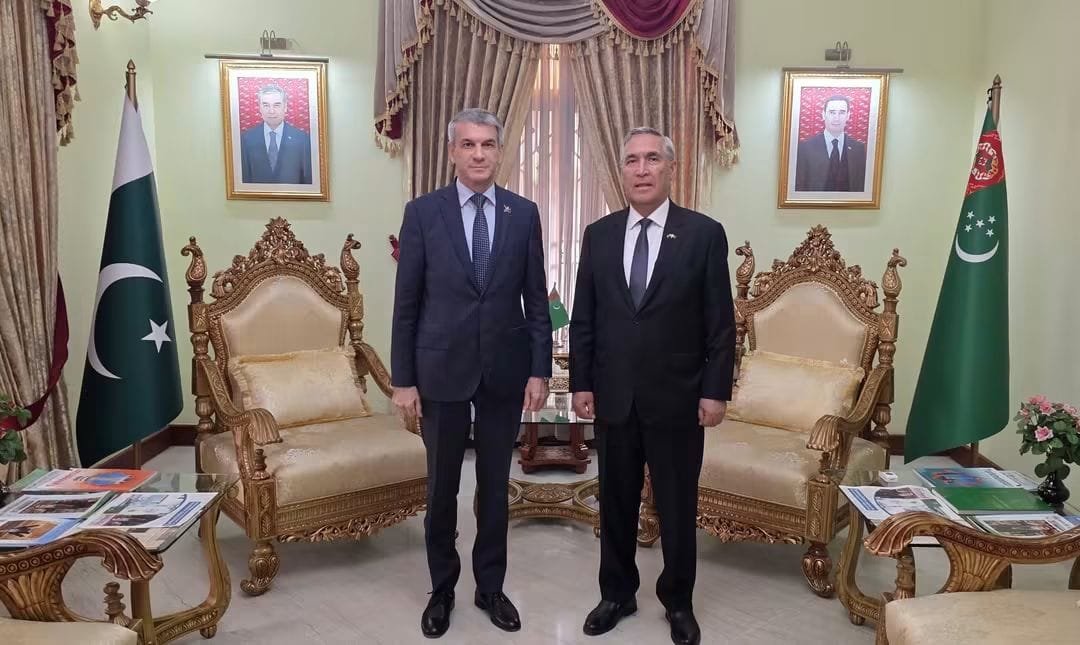
One of the most notable developments in this process was the reception of the Ambassador of Uzbekistan to Ankara, H.E. Ilhom Haydarov, at the Avcılar center of the Avrupa Çocuk Rehabilitation Centers. During this comprehensive visit organized by Special Education Specialist Salih SUNELCAN and his team, the center’s technological infrastructure, expert staff, rehabilitation capacity, and social integration model were presented in detail. This visit demonstrated that the Avrupa Çocuk Rehabilitation Centers possess an institutional capacity that can serve as a model not only for Türkiye but also for the wider Turkic world, while also highlighting their strong commitment to improving the lives of Uzbek children.
During the visit to the center, the Ambassador expressed his satisfaction with the center’s activities, noting that both the public and specialists had been effectively informed through field studies and seminars conducted in Uzbekistan. He further stated that he would convey the necessary information to the relevant authorities and would do his utmost to help accelerate and facilitate the process.
At the same time, the project enhances Uzbekistan’s potential to become a regional hub for rehabilitation and health tourism in Central Asia. The absence of similarly comprehensive, state-supported integrated rehabilitation systems in Central Asian countries provides Uzbekistan with a strategic advantage. Through centers established based on the Türkiye model, Uzbekistan is expected to serve not only its own citizens but also families from neighboring countries such as Kazakhstan, Kyrgyzstan, Tajikistan, and Turkmenistan, thereby emerging as a leading regional center for healthcare and social support services.
Conclusion
The transfer of the Avrupa Çocuk Rehabilitation Centers model, successfully implemented in Türkiye, to Uzbekistan represents not only an expansion of rehabilitation services but also a strategic initiative to strengthen the welfare state, preserve family structures, and accelerate social development. Structured around education, healthcare, social integration, and productivity, this project constitutes a comprehensive social reform directly aligned with the “New Uzbekistan” vision.
With its expert workforce, modern rehabilitation methodologies, field experience, and a sustainable structure supported by state cooperation, Uzbekistan has the potential to become a leading model of rehabilitation and healthcare provision in Central Asia.