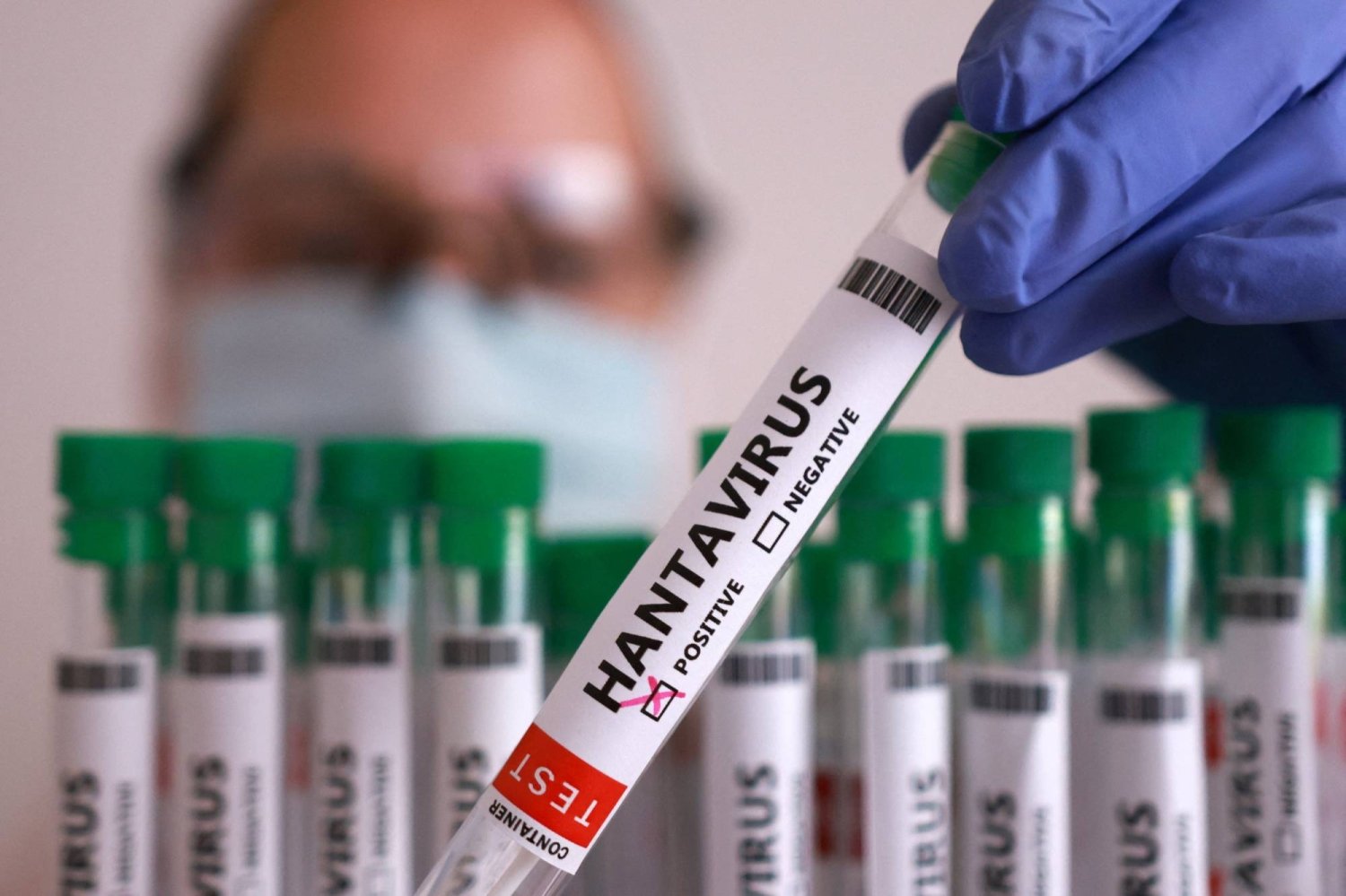
Brussels, May 21, 2026 – The Europe Today: European Commissioner for Sustainable Transport and Tourism Apostolos Tzitzikostas said on Thursday that the European Union is intensifying efforts to develop medical countermeasures against hantavirus infections amid growing health concerns.
Addressing a plenary session of the European Parliament on preparedness for health emergencies, Tzitzikostas stated that the current risk to the general public remains low, according to media reports.
“There is no approved vaccine or specific treatment against hantaviruses in the European Union yet, which is why we are actively exploring several avenues to protect citizens against this priority threat through our medical countermeasure strategy and the Horizon Europe program,” he said.
The commissioner noted that the EU is advancing promising candidate vaccines and therapeutics aimed at combating hantavirus infections.
Tzitzikostas stressed that although suspected and confirmed cases have been isolated and treated under strict medical supervision, continued vigilance remains necessary due to the virus’s long incubation period.
“Given the long incubation period of this virus, it is possible that more cases are detected in the coming weeks,” he warned.
He added that the European Commission is working in close coordination with national health authorities through the Health Security Committee and other EU mechanisms to strengthen information sharing, coordination and rapid-response capabilities.
The outbreak reportedly began in late April aboard the Hondius cruise ship, which was carrying around 150 passengers and crew members from nearly 30 countries.
Among the fatalities linked to the outbreak were a Dutch couple and a German woman, according to reports.
The World Health Organization reported that 11 cases had been recorded by May 13, including eight confirmed infections.
Health experts noted that the Andean hantavirus is primarily transmitted through contact with rodent droppings. Unlike coronavirus, the virus does not spread easily between humans and generally requires prolonged close contact for transmission.