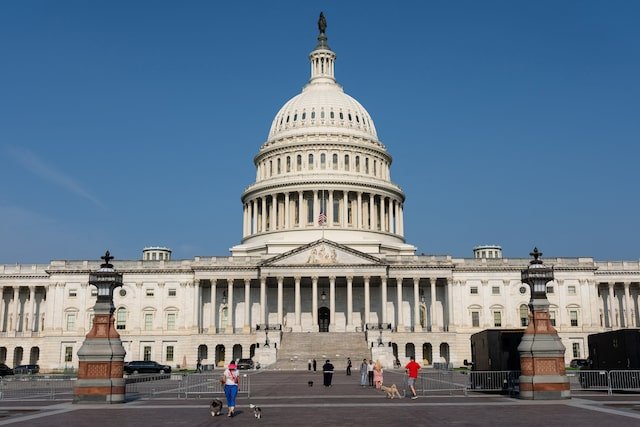
Washington, July 23, 2026 – The Europe Today: The U.S. House of Representatives on Wednesday narrowly approved its version of the Fiscal Year 2027 National Defense Authorization Act (NDAA), authorizing a record $1.15 trillion in military spending, despite strong opposition from Democrats over the bill’s cost, the ongoing conflict with Iran, and expanded defense cooperation with Israel.
According to media reports, the legislation passed by a 216-212 vote, largely along party lines. All but seven Republicans supported the measure, while all but six Democrats voted against it.
The NDAA outlines funding priorities for the U.S. military, including defense modernization, weapons procurement, troop benefits, and military infrastructure. Republican lawmakers argued that the unprecedented spending is necessary to strengthen national defense, sustain military operations, enhance defense capabilities, and provide service members with benefits such as pay raises of up to 7 percent, along with investments in barracks and family housing.
Democrats, however, criticized the measure’s overall cost, arguing that the proposed defense spending comes as the Trump administration and congressional Republicans pursue significant reductions in funding for domestic social programs.
They also expressed concern over continued U.S. military involvement in the conflict with Iran, which the Pentagon has estimated has cost approximately $37.5 billion to date. Democratic lawmakers further objected to a provision that would significantly expand military technology cooperation between the United States and Israel, citing growing public concern over the humanitarian impact of Israel’s military operations in Gaza.
The Fiscal Year 2027 NDAA also faces procedural and political hurdles after House Republicans attached it to the SAVE America Act, legislation backed by President Donald Trump that seeks to tighten voting regulations. Political observers say the move could complicate the bill’s prospects in the Senate, where the voting legislation lacks sufficient support for passage.
The Senate’s version of the NDAA was blocked by Senate Democrats last week, although Republican leaders have pledged to make another attempt to advance the legislation before lawmakers leave Washington for the August recess.
Traditionally regarded as one of Congress’s few bipartisan “must-pass” measures, the NDAA has been enacted into law for 65 consecutive years. However, this year’s legislation faces unusually strong political divisions over defense spending, the Iran conflict, military aid to Israel and Ukraine, and a range of domestic policy issues.
Under the legislative process, both the House and Senate must first approve their respective versions of the NDAA before negotiators reconcile the differences into a final compromise bill. The agreed measure would then require approval in both chambers before being sent to the White House, where President Trump would decide whether to sign it into law or veto it.