A city can be conquered, but making it a centre of trade again is a separate task. It needs merchants, craftsmen and the connections they bring with them. Ottoman Istanbul is one of the well-known examples of how this need was met through deliberate policy. In this part of its interview series, Business Diplomat presents four observations that use this example to describe the role of economic actors in history.
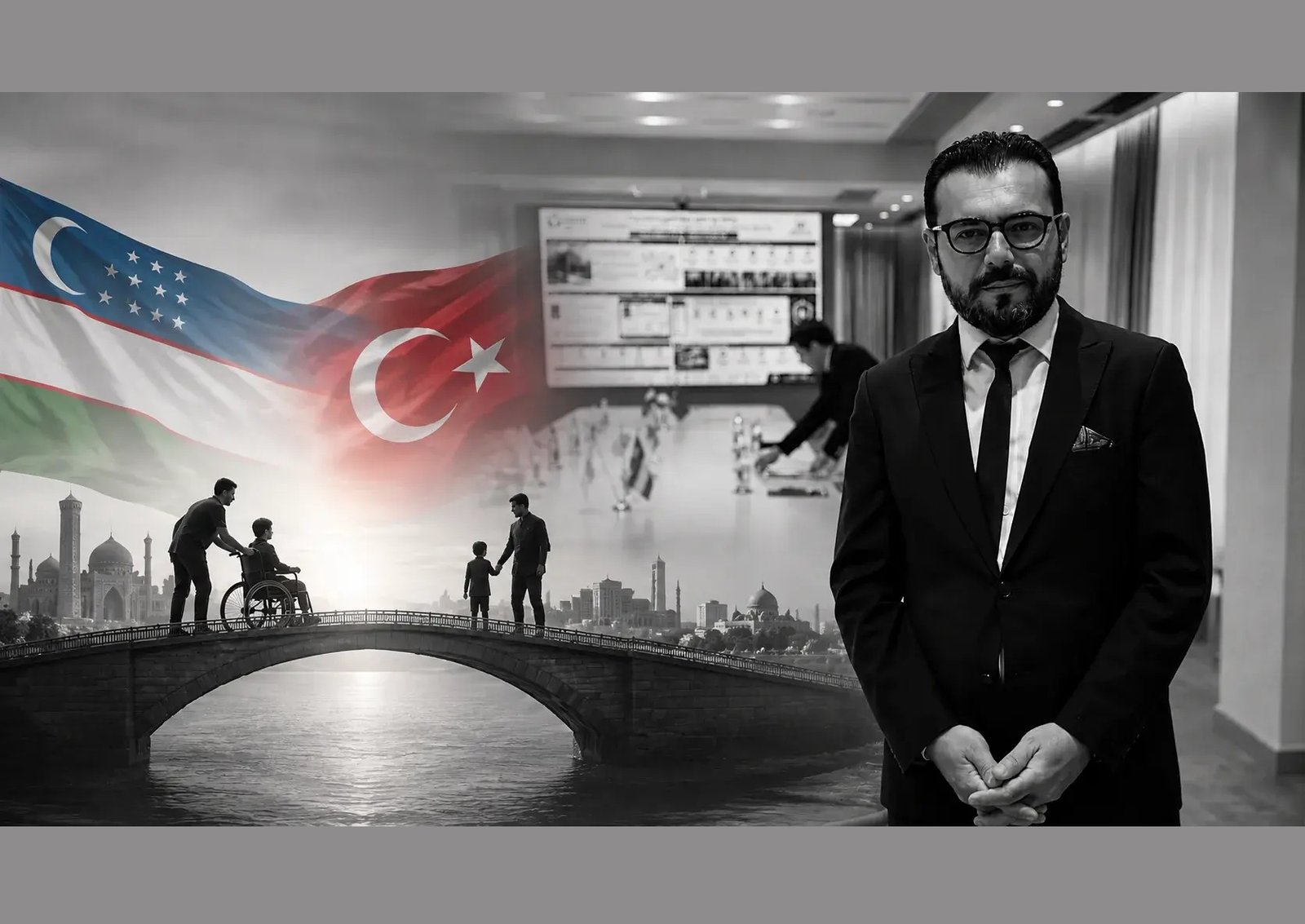
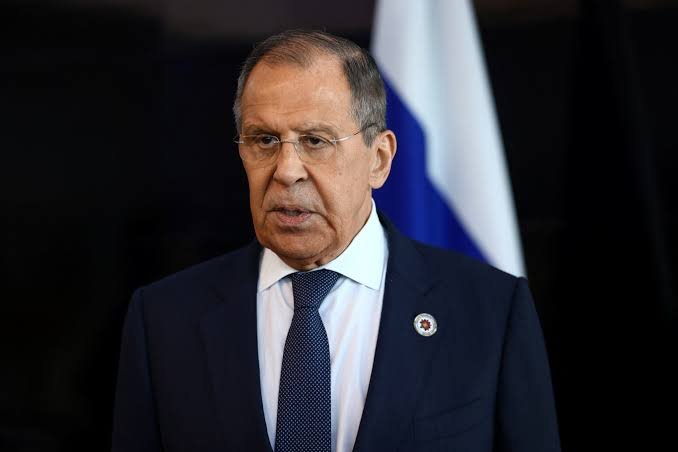
This interview features Prof. Dr. Ragıp Kutay Karaca, a scholar, political historian, and international relations specialist with a military background, recognized for his research on political history, Turkish foreign policy, international security, and Sino-Turkish relations
First observation: what is the example?
The way to make a historical claim concrete is to look at a specific event. The first observation sets it out:
“The contribution made to Istanbul’s economic life by the Jewish communities who came to Ottoman lands in the period of Mehmed the Conqueror, following the pressures on Jews in Spain, is a striking example in this respect.”
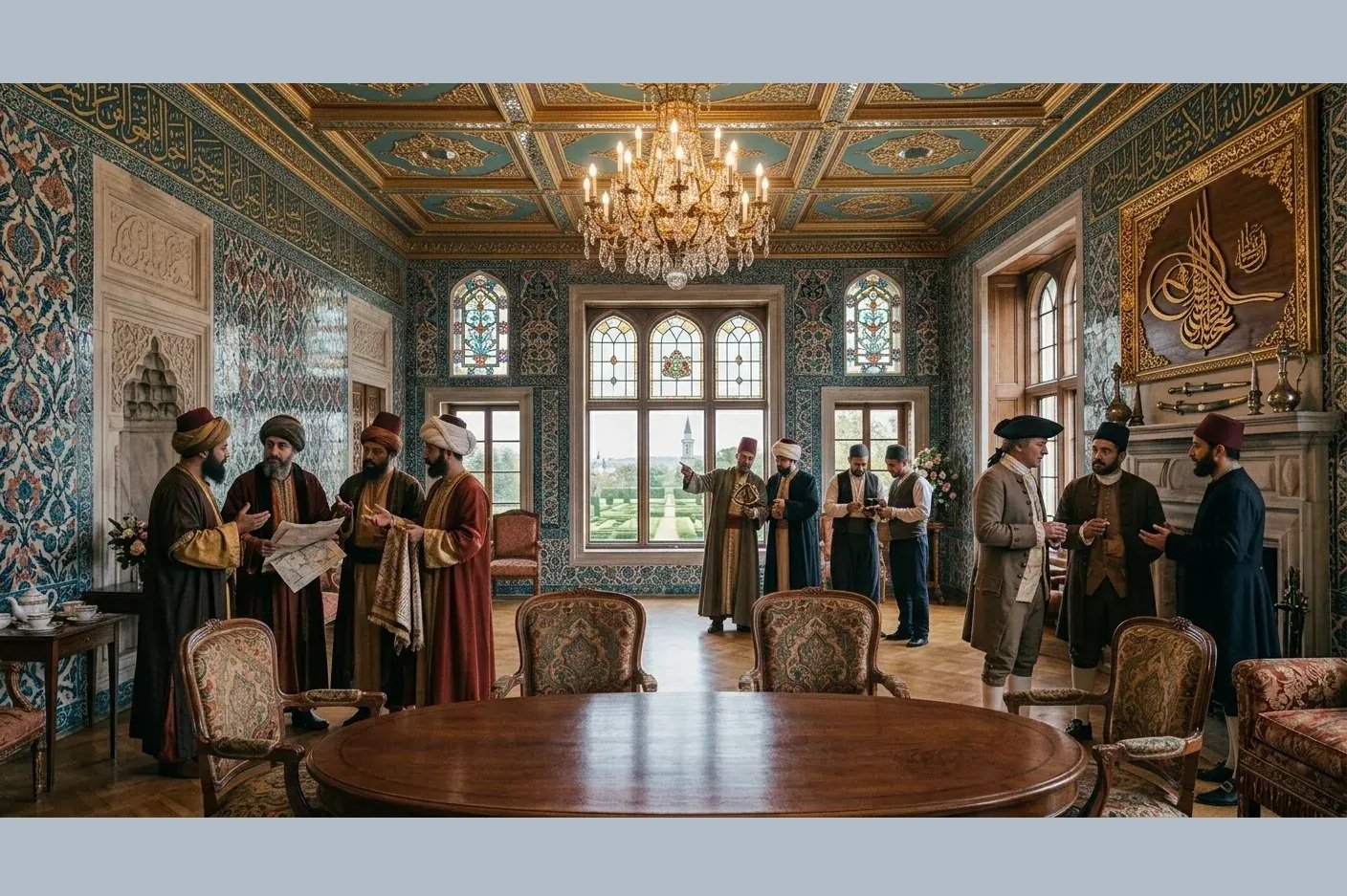
The process had two stages. After 1453, Mehmed the Conqueror settled merchants and craftsmen from different regions and communities in Istanbul to revive the city, and Jewish communities were part of that policy. The large migration of Jews expelled from Spain in 1492 took place under Bayezid II, and the Ottomans accepted these communities. Both stages share the same point: those who came brought not just numbers but trades, capital and commercial connections spread across the Mediterranean. People excluded by one country contributed to the economic life of another.
Second observation: where was the contribution seen?
Speaking of a general contribution is not enough; one has to see where in the city it took effect. The second observation gives an address:
“The economic activities of the merchants and craftsmen who settled in Istanbul were one of the processes that contributed to the development of Galata in particular as an important centre of trade.”
Before the conquest Galata was a Genoese trading colony, and it kept its commercial identity afterwards. With its harbour, warehouses and established ties to foreign merchants, it remained the city’s gateway to foreign trade. Genoese, Greeks, Armenians, Jews and European merchants worked there side by side. The observation is measured in its wording: the activity of the settled communities was “one of the processes” contributing to Galata’s development. A trading centre grows not from a single factor but from the skills and connections of different communities coming together.
Third observation: what does the example show?
An example gains value when it tells of something wider than itself. The third observation draws a general conclusion:
“This example shows that states’ economic policies do not remain limited to the domestic economy, and are also linked to population movements, trade and international relations.”
Three links are named, and all three appear in the case of Istanbul. Population movements: who was admitted to the city and where they were settled was an economic decision. Trade: the newcomers’ connections tied the city more closely into the Mediterranean trading network. International relations: accepting communities excluded by another state was also a foreign policy stance. In today’s terms, attracting skilled people and offering foreign merchants a favourable environment were part of economic policy then too.
Fourth observation: what conclusion is reached?
The example has been described and its meaning explained. What remains is what all this says about the businessperson. The fourth observation gives the conclusion:
“Therefore it can be seen that businesspeople and economic actors have throughout history been not only people who trade, but also actors who contribute to the development of relations between states.”
A merchant with relatives, partners and customers in different countries is a living link between those countries. Along with goods, they carry information, trust and acquaintance. Even when official relations between states are interrupted, commercial ties often continue and prepare the ground for restoring them. The merchant does not take this role on as a duty. In doing their work, they become a bridge as a matter of course.
The logic of the four
The observations move from the concrete to the general. First an event is described: the communities that came to Istanbul. Then a place is shown: Galata. Next a principle is drawn: economic policy is linked to population, trade and foreign relations. Finally a verdict is reached: economic actors contribute to relations between states. The story of one city shows the historical basis of business diplomacy.
The role of Business Diplomat
The platform’s mission is to give young people experience, bring a diplomatic order to the business world, and benefit states by revitalising the economy. The example of Istanbul contains all three elements of that mission: opening the door to skilled people, establishing an order favourable to trade, and both city and state benefiting from it. By bringing together businesspeople from different countries, Business Diplomat aims to contribute to building today’s bridges of trade.
Conclusion
The communities of merchants and craftsmen who settled in Ottoman Istanbul contributed to the city’s economic life and to the growth of Galata as a centre of trade. The example shows that economic policy is linked to population movements, trade and international relations, and that economic actors serve as bridges between states. Starting from this historical experience, Business Diplomat aims to strengthen the contribution of businesspeople to relations between countries.