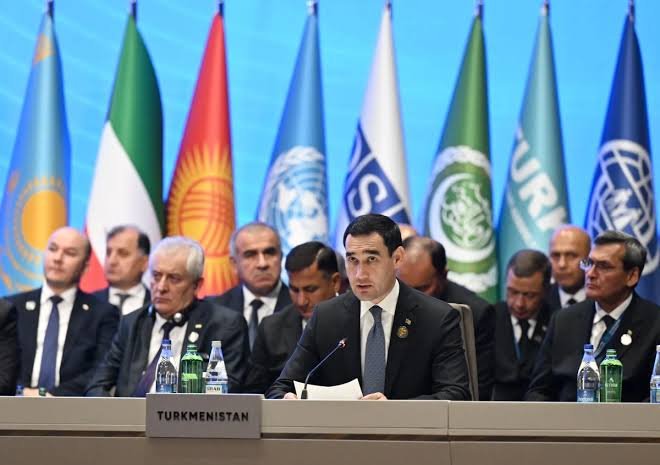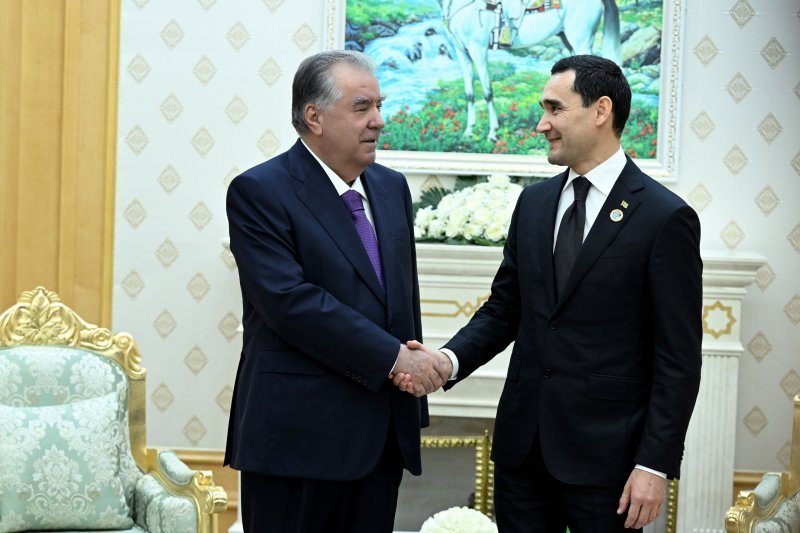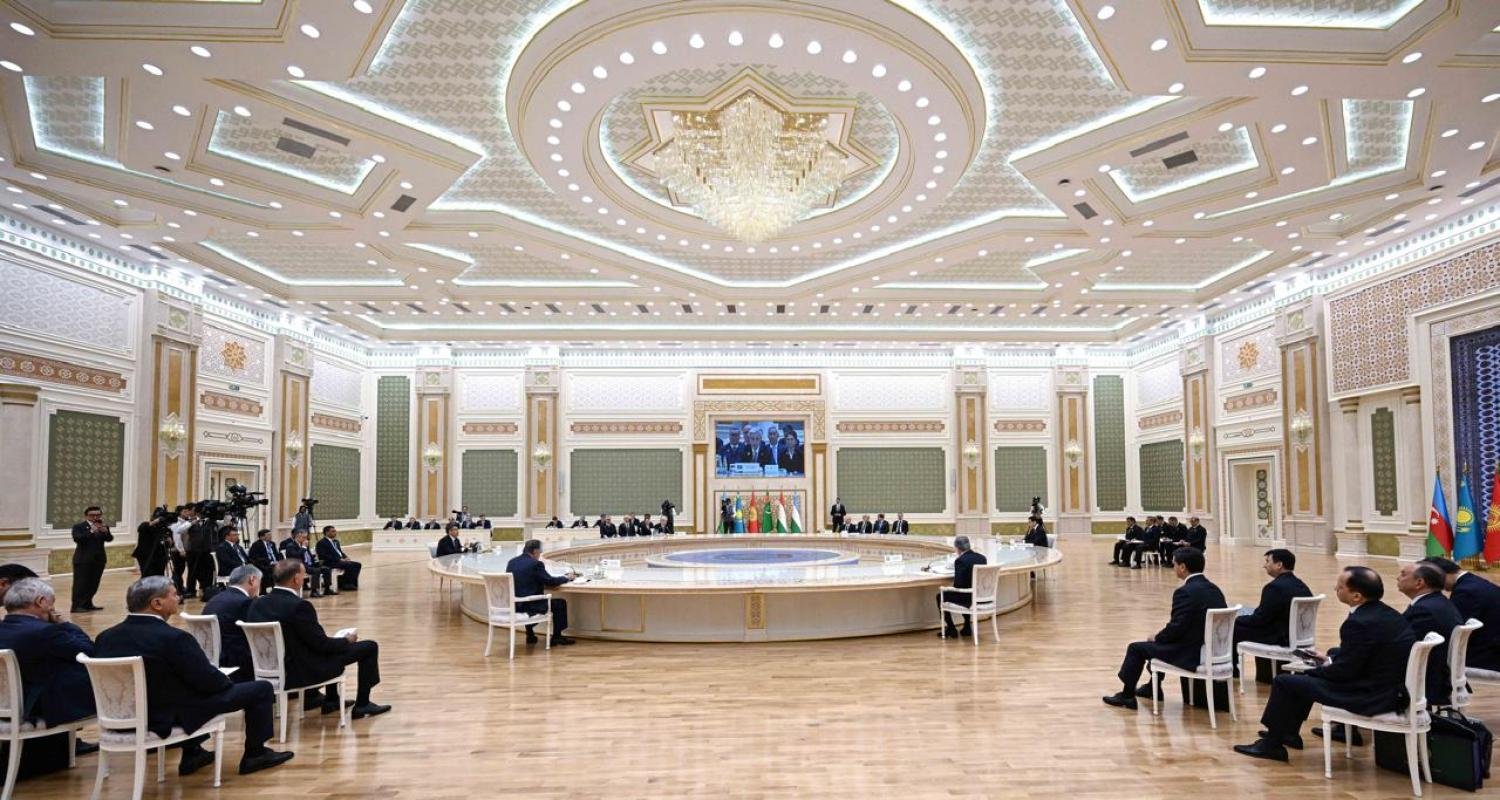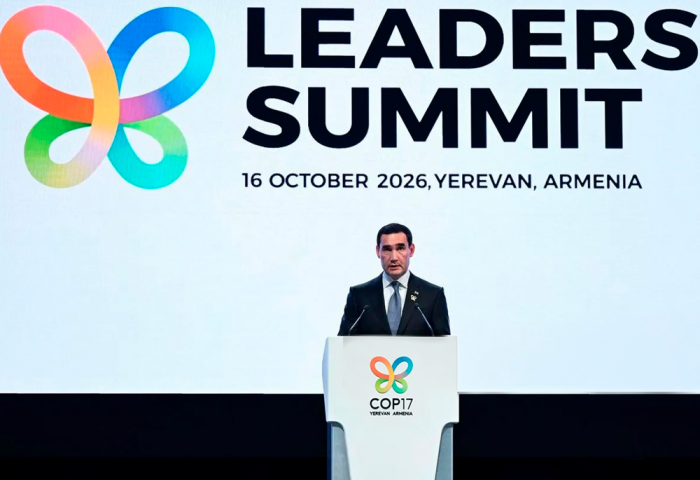
Yerevan, October 17, 2026 – The Europe Today: Turkmen President Serdar Berdimuhamedov has outlined four key priorities for biodiversity conservation, emphasising the need to strengthen environmental protection, expand regional cooperation and enhance international support for sustainable development.
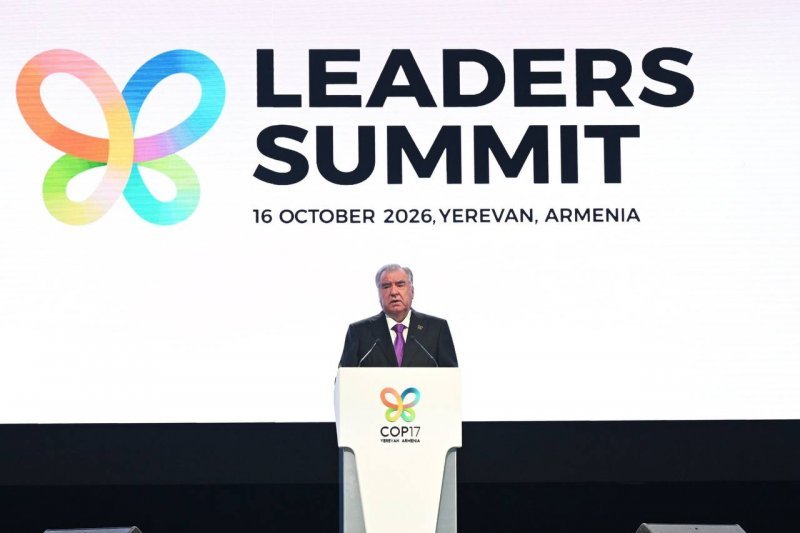
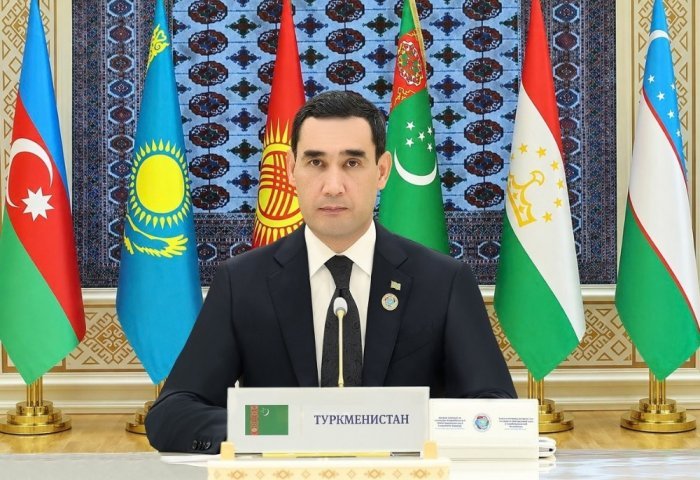
Addressing the Leaders’ Summit held in Yerevan on October 16 ahead of the 17th Conference of the Parties to the United Nations Convention on Biological Diversity (COP17), the President highlighted Turkmenistan’s commitment to protecting natural ecosystems and fulfilling its international environmental obligations.
He noted that biodiversity loss, climate change, desertification and land degradation were interconnected challenges that directly affected environmental security and sustainable development worldwide.
Turkmenistan, with its diverse natural landscapes extending from the Karakum Desert to the Kopetdag and Koytendag mountain ranges and the Caspian Sea coast, considers the preservation of its natural heritage an important priority of state policy.
The President identified strengthening the national system of specially protected natural areas as the first priority. This includes improving environmental monitoring and protecting rare animal and plant species. He highlighted the National Biodiversity Strategy and Action Plan for 2026–2035, developed in cooperation with international partners in line with the Kunming-Montreal Global Biodiversity Framework, as a key instrument in achieving these objectives.
The second priority focuses on expanding regional cooperation to conserve transboundary ecosystems, wildlife migration routes and shared natural resources. Berdimuhamedov underscored the importance of protecting the Caspian Sea environment, preserving ecosystems in the Aral Sea basin and combating desertification.
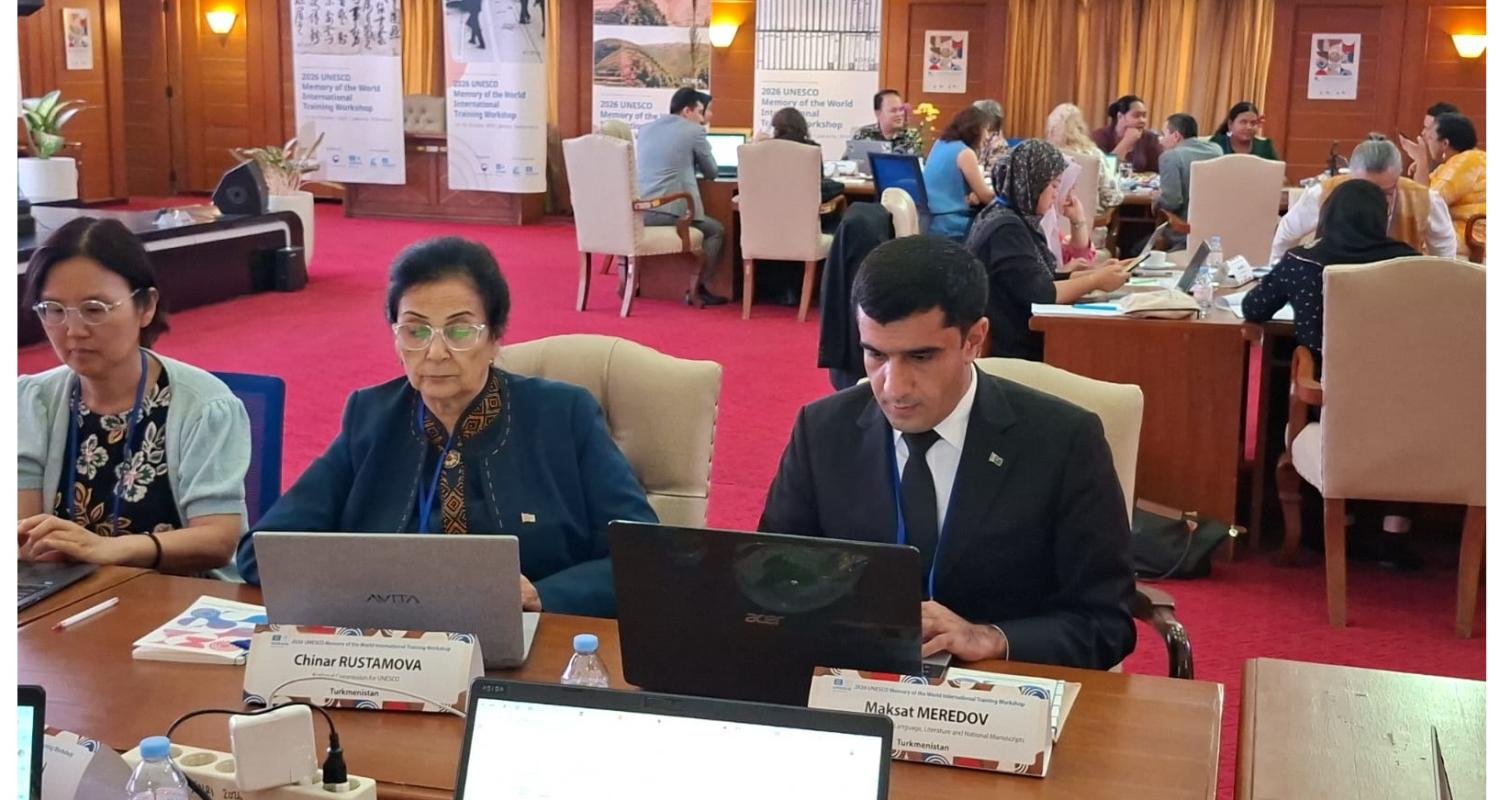
As the third priority, he called for making greater use of the United Nations, its specialised agencies and international environmental mechanisms to advance biodiversity conservation. He particularly highlighted cooperation with UNESCO in preserving natural heritage and promoting scientific research.
The inclusion of Turkmenistan’s natural areas in the transnational World Heritage property “Cold Winter Deserts of Turan” was cited as an example of successful international cooperation in protecting unique ecosystems.
The fourth priority involves creating the necessary conditions to fulfil international environmental commitments. The President stressed the importance of improving developing countries’ access to financial resources and modern technologies, strengthening national capacities and ensuring the fair and equitable sharing of benefits arising from the use of genetic resources, including digital sequence information.
Berdimuhamedov also announced that Turkmenistan would continue advancing initiatives on environmental security and climate resilience during the 81st session of the UN General Assembly.
In this context, he highlighted the proposal to establish the Ashgabat Climate Dialogue as an open multilateral platform for regular political and expert-level discussions on climate issues. Turkmenistan is also promoting the establishment of a regional centre for combating desertification for Central Asian countries.
Addressing the needs of developing nations, particularly landlocked developing countries, the President stressed that global environmental objectives could not be achieved without adequately considering their specific circumstances and development challenges.
He underscored the importance of decisions adopted at the Third UN Conference on Landlocked Developing Countries, reflected in the Awaza Programme of Action for 2024–2034 and the Awaza Political Declaration.
Berdimuhamedov called for stronger international support to improve access to climate and environmental financing, facilitate the transfer of modern environmental and digital technologies, and develop sustainable infrastructure resilient to climate change.
Concluding his address, the Turkmen President expressed confidence that COP17 would provide fresh momentum for implementing existing environmental commitments and strengthening international cooperation.
He reaffirmed Turkmenistan’s readiness to engage constructively with all interested countries and international organisations to advance biodiversity conservation, climate resilience and sustainable environmental management.