The Middle Corridor and the Strategic Importance of Turkmenbashi Port
Derya Soysal:
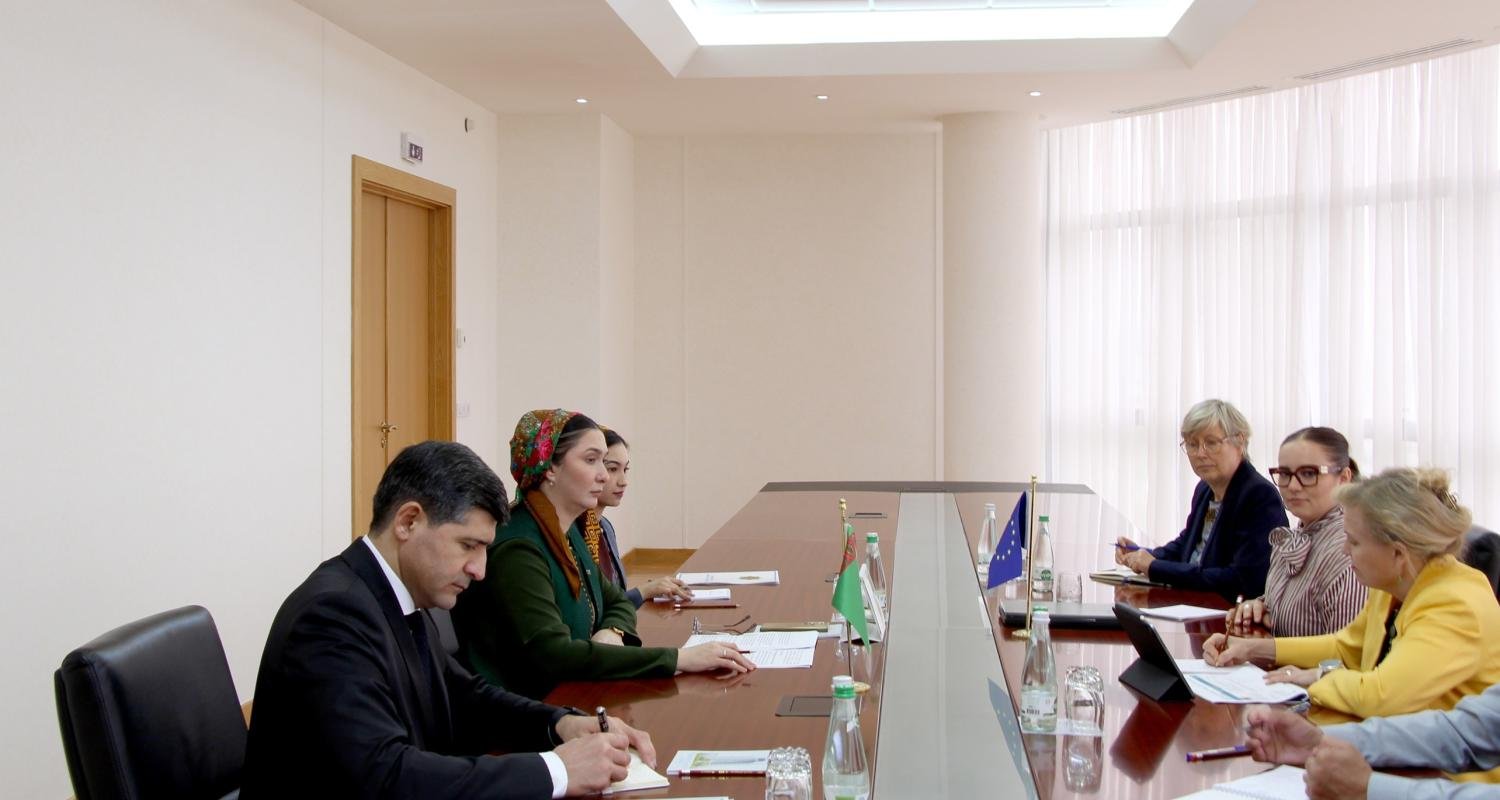
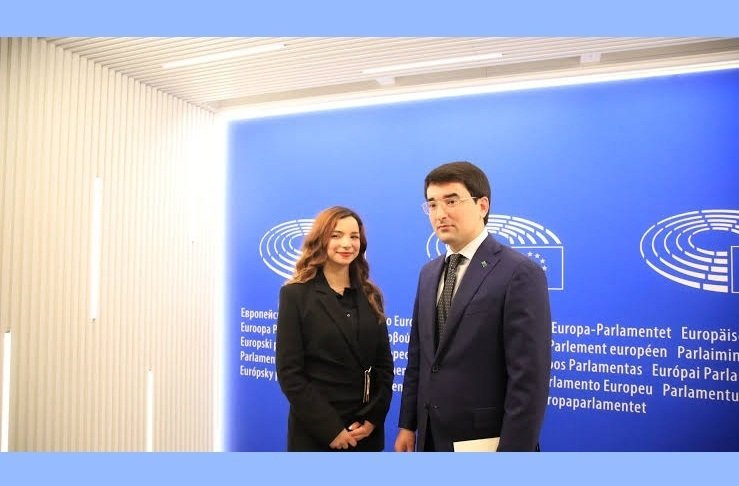
Your Excellency, we have just concluded a roundtable at the European Parliament on the importance of the Middle Corridor and the role of the Port of Turkmenbashi. Why does the European Union need to further develop this route, and why is Turkmenistan such an important partner within the Middle Corridor?
Ambassador Sapar Palvanov:
First of all, let me thank you for organizing such an important gathering in the European Parliament. It is particularly valuable because it brought together a diverse audience, including policymakers, European Union officials, Members of the European Parliament, and representatives of the private sector.
We need to increase awareness of the transport infrastructure developments taking place across our region. The Port of Turkmenbashi is strategically important because of Turkmenistan’s unique geographical position. Our country lies at the heart of Eurasia, serving as a natural bridge between Europe and Asia. This location places a significant responsibility on us to remain a secure, predictable, and stable partner within the transport networks connecting the two continents.
Over the past few years, the European Union has shown growing interest in the region. I recall that around four years ago, extensive studies and assessments were conducted to identify infrastructure projects and connectivity opportunities. This process was beneficial for all parties, helping us better understand the wider regional transport network and how Central Asia and the European Union can be more effectively connected.
As we discussed today, this is truly a win-win opportunity. Enhanced connectivity through the Middle Corridor accelerates the movement of goods between Asia and Europe. In this context, the Trans-Caspian route and the Port of Turkmenbashi serve as a key gateway linking Asian markets to Europe. At the same time, it is equally important to facilitate the flow of European goods into Central Asian markets.
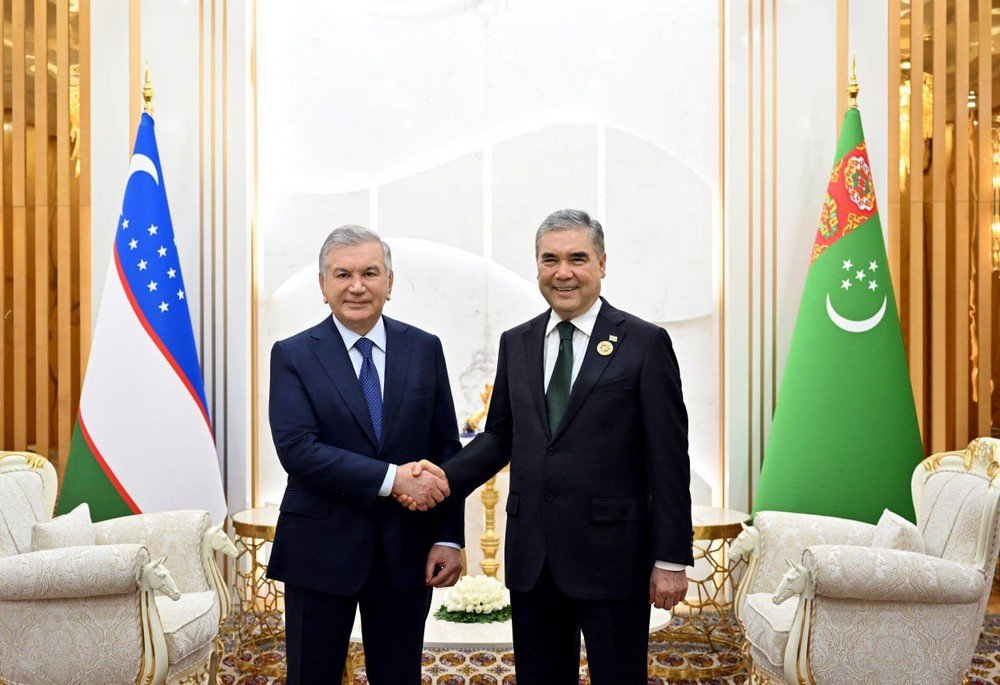
The Significance of the Avaza Summit and Trilateral Cooperation
Derya Soysal:
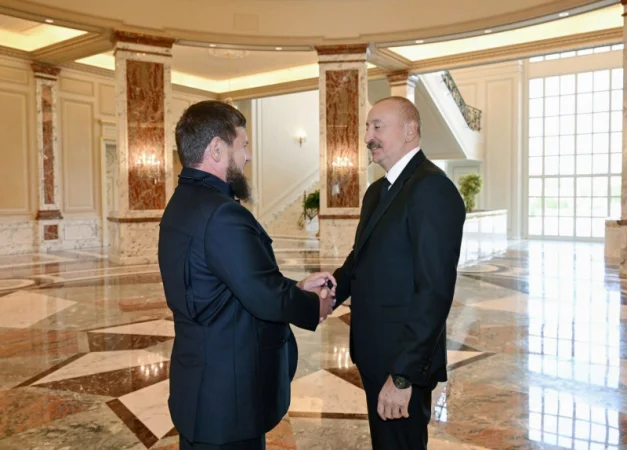
Recently, Avaza hosted an important meeting between regional leaders. Why was this gathering significant for strengthening cooperation between Central Asia and its partners?
Ambassador Sapar Palvanov:
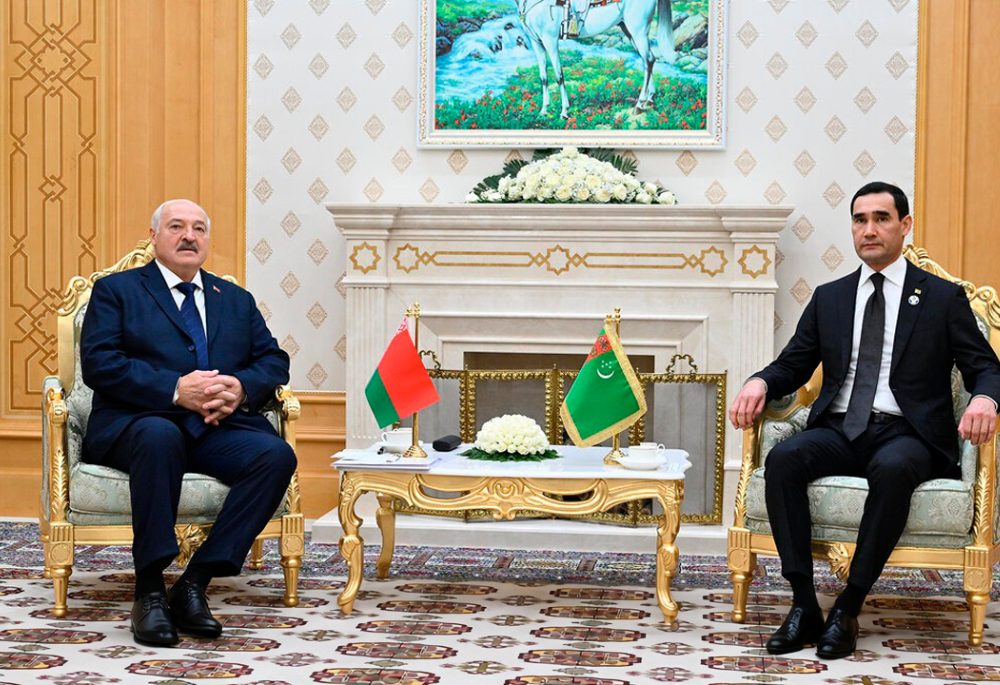
The meeting highlighted the growing importance of the trilateral cooperation format between Azerbaijan, Turkmenistan, and Uzbekistan. If we look at the map, the logic behind this cooperation becomes immediately clear.
Any effort to strengthen connectivity between Central Asia and the European Union must include Azerbaijan. The South Caucasus—and Azerbaijan in particular—is an indispensable link in the chain connecting Central Asia to Europe.
The primary focus of this trilateral format is transport connectivity. Goods originating in Uzbekistan travel through Turkmenistan and arrive at the Port of Turkmenbashi before crossing the Caspian Sea to Azerbaijan. Therefore, the readiness and capacity of Azerbaijani infrastructure—including the Port of Baku—are just as important as developments on our side of the Caspian.
This is why cooperation among our three countries is so significant. By coordinating infrastructure development and transport policies, we can create a more efficient and reliable corridor for international trade.
Moreover, these meetings represent an important step toward greater regional unity. Central Asian countries are increasingly working together to advance common interests, particularly in the areas of connectivity, trade, and economic development. Including Azerbaijan in these discussions is both natural and practical because the South Caucasus forms an essential bridge between Central Asia and Europe.
The stronger our cooperation becomes, the more effective the Middle Corridor will be as a global transport route.
Derya Soysal:
Thank you very much, Ambassador.
Ambassador Sapar Palvanov:
Thank you. It was a pleasure.

Historian and environmental management expert on Central Asia and researcher on Central Asia post-Soviet period. Journalist for EuReporter and EuReflect and Special Director of “The Gulf Observer” for Europe and Central Asia.