Jakarta, July 17, 2026 – The Europe Today: Indonesian President Prabowo Subianto has announced plans to build up to 50 new ethanol plants across the country to accelerate the implementation of the E20 programme, which requires fuel to contain at least a 20 percent blend of bioethanol.
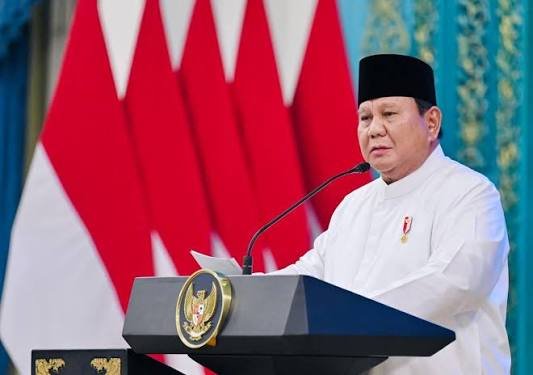
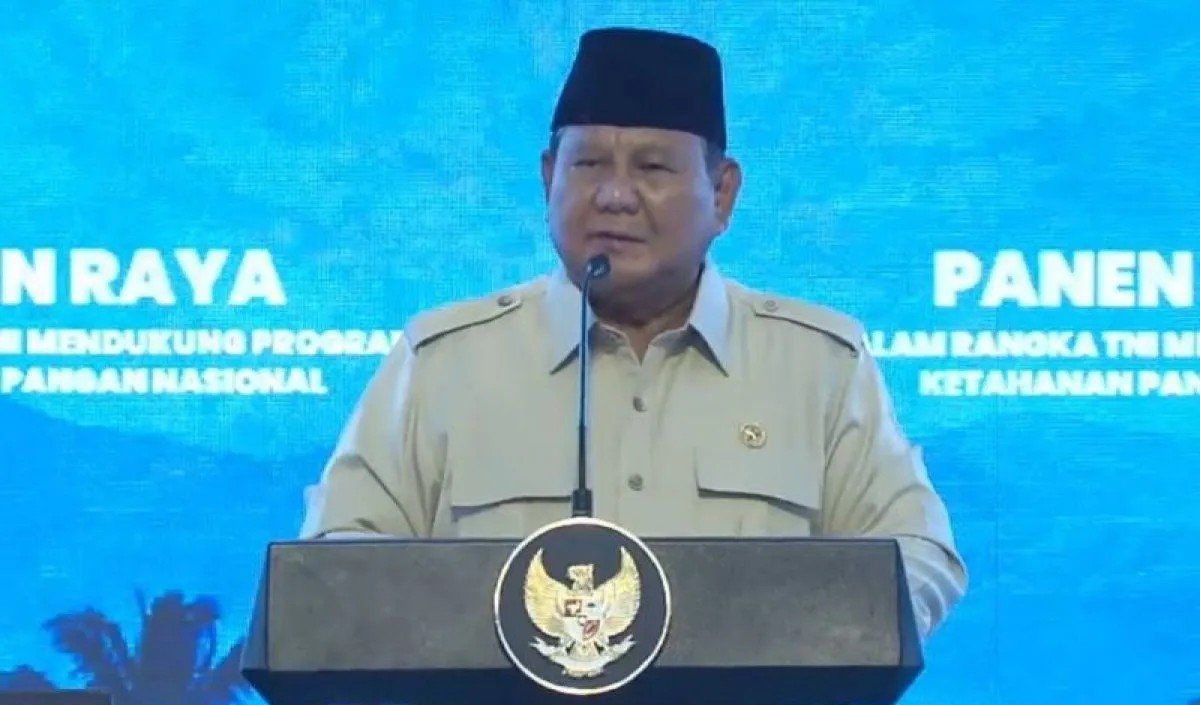
Speaking during a mass harvest event organized by the military in Malang, East Java, on Friday, the president said Indonesia now has the capacity to increase the bioethanol content in fuel to meet the E20 standard.
Prabowo noted that Indonesia currently has only one ethanol production facility and stressed the need to rapidly expand the country’s production capacity.
“We need factories, as we have only one plant presently. I have decided that we will build at least 30 plants, if necessary, up to 50 plants,” he said.
The president cited India’s successful implementation of the E20 programme and Brazil’s adoption of E100 fuel as examples, expressing confidence that Indonesia is well positioned to implement a nationwide mandatory 20 percent bioethanol blending policy.
Highlighting the government’s broader energy security agenda, Prabowo also announced the commencement of construction of the Abadi Masela Liquefied Natural Gas (LNG) project in Maluku, ending nearly 28 years of delays.
He further underscored Indonesia’s leadership in renewable fuels, noting that the country has become the first to implement a mandatory B50 biodiesel programme, requiring diesel fuel to contain 50 percent palm oil-based biodiesel.
“Starting this July, we no longer import diesel,” the president said, attributing the achievement to increased domestic production of palm oil-based diesel fuel.
Prabowo called on all sectors of society to support the government’s priority programmes aimed at improving public welfare through food and energy self-sufficiency, downstream processing of natural resources, and technological innovation.
Emphasising Indonesia’s drive toward national self-reliance, the president also announced plans to launch domestically manufactured electric motorcycles in the coming weeks. He said the vehicles are expected to enhance farmers’ mobility while supporting the country’s broader strategy of strengthening local industry and sustainable transportation.