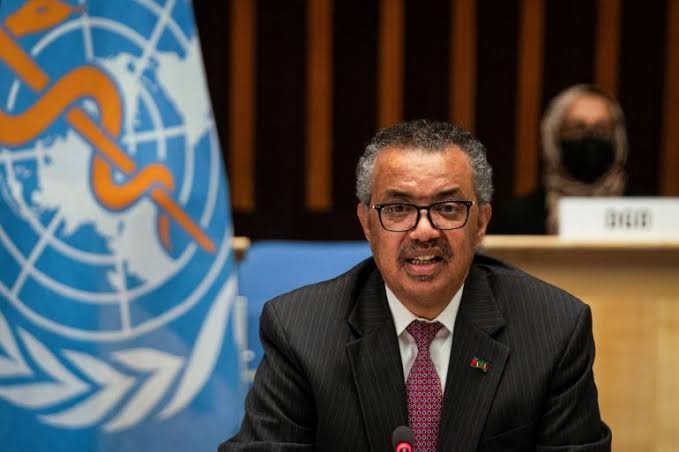
New York, September 26, 2026 — The Europe Today: World Health Organization (WHO) Director-General Dr Tedros Adhanom Ghebreyesus has called for sustained international action and investment to strengthen preparedness for future pandemics, stressing that the lessons of COVID-19 must translate into stronger national and global health systems.
Addressing the second United Nations General Assembly High-level Meeting on Pandemic Prevention, Preparedness and Response, Dr Tedros said the COVID-19 pandemic had exposed and intensified weaknesses in global health security and underscored the need for urgent, measurable and coordinated action.
He said the political commitments demonstrated at the meeting reflected lessons learned from the pandemic and included concrete measures to strengthen local and national capacities, invest in resilient health systems and expand equitable access to health products, tools and resources.
According to the WHO, COVID-19 was associated with more than 20 million excess deaths between 2020 and 2023 and resulted in losses of more than US$10 trillion to the global economy.
Dr Tedros emphasized that continued investment would be essential to preserve progress achieved in recent years and enhance the international community’s ability to detect, prepare for and respond effectively to future pandemic threats.
The high-level meeting also highlighted advances in international health cooperation, including the adoption of the WHO Pandemic Agreement and amendments to the International Health Regulations (2005).
Member states further emphasized the importance of concluding negotiations on the Pathogen Access and Benefit-Sharing system, which aims to facilitate the timely sharing of pathogens with pandemic potential while ensuring equitable access to vaccines, medicines, diagnostics and other essential health products.
The discussions underscored the importance of sustained political commitment, stronger health systems and international cooperation in building a more resilient global health security architecture capable of responding to future pandemic emergencies.