Jakarta, September 20, 2026 – The Europe Today: Indonesia and Australia have reaffirmed their commitment to strengthening cooperation in combating terrorism, with a focus on early detection, prevention and mitigation of emerging threats.
The commitment was reaffirmed during the 11th Indonesia-Australia Bilateral Consultation on Counter-Terrorism, held in Jakarta on September 17, where officials discussed regional security, bilateral counter-terrorism programs and the increasingly complex nature of terrorist threats.
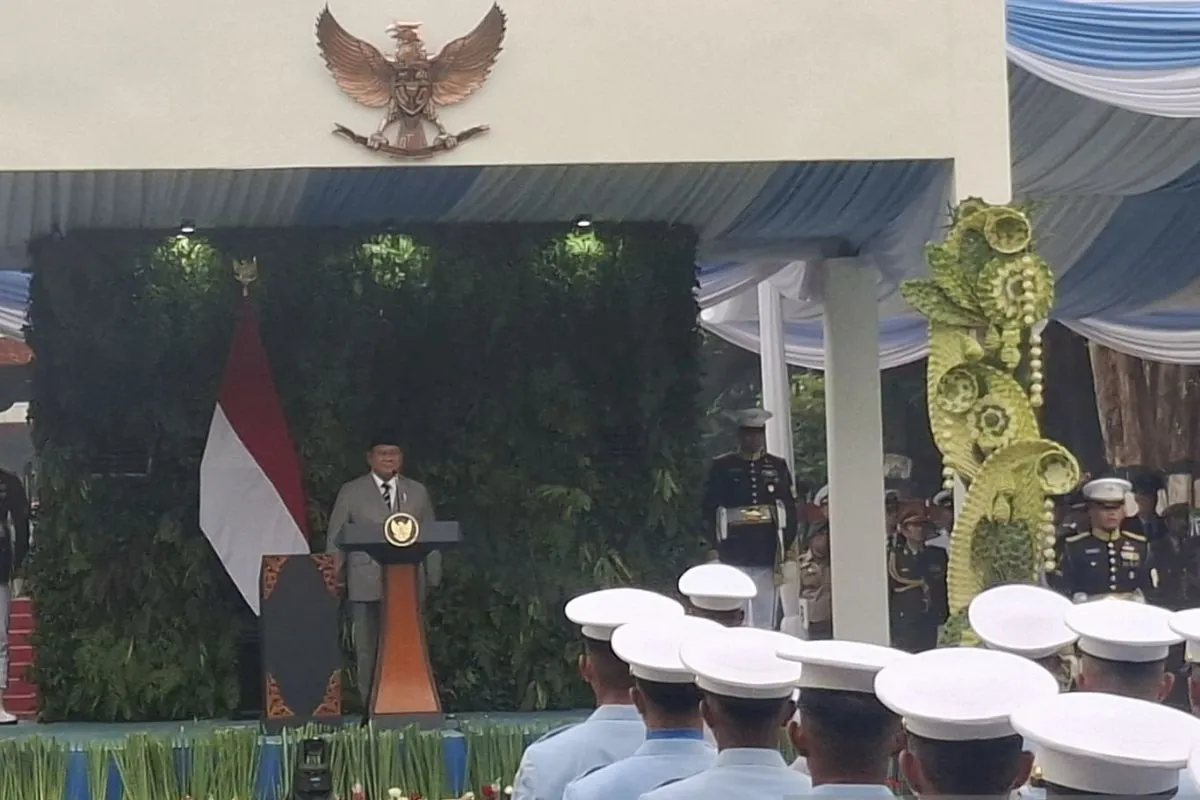
Head of Indonesia’s National Counter-Terrorism Agency (BNPT) Eddy Hartono said Indonesia continues to prioritize tracking, mitigation and early detection to enhance counter-terrorism measures.
Hartono noted that the longstanding partnership between Indonesia and Australia had produced tangible results, including cooperation under Indonesia’s National Action Plan on Preventing and Countering Violent Extremism that Leads to Terrorism (RAN PE).
The cooperation is supported by a broader memorandum of understanding facilitated through the Australia-Indonesia Partnership for Justice, with joint efforts under RAN PE planned over the next five years. Australia has also supported implementation of the second phase of RAN PE for 2026–2029 across Indonesian regions.
Australian Ambassador for Counter-Terrorism Gemma Huggins underscored the importance of bilateral cooperation in addressing evolving security challenges and maintaining regional stability.
She identified online radicalization, extremist narratives targeting young people, the use of emerging technologies by terrorists, and the repatriation and reintegration of foreign terrorist fighters and their families as key areas requiring continued operational cooperation.
Joint initiatives involving Australia’s Department of Home Affairs, the Australian Security Intelligence Organisation (ASIO) and the United Nations Office of Counter-Terrorism (UNOCT) have also contributed to intelligence training and efforts to counter online radicalization on Indonesian gaming platforms since 2025.
The two countries are expected to continue strengthening information-sharing, operational cooperation and preventive measures to address terrorism and violent extremism.