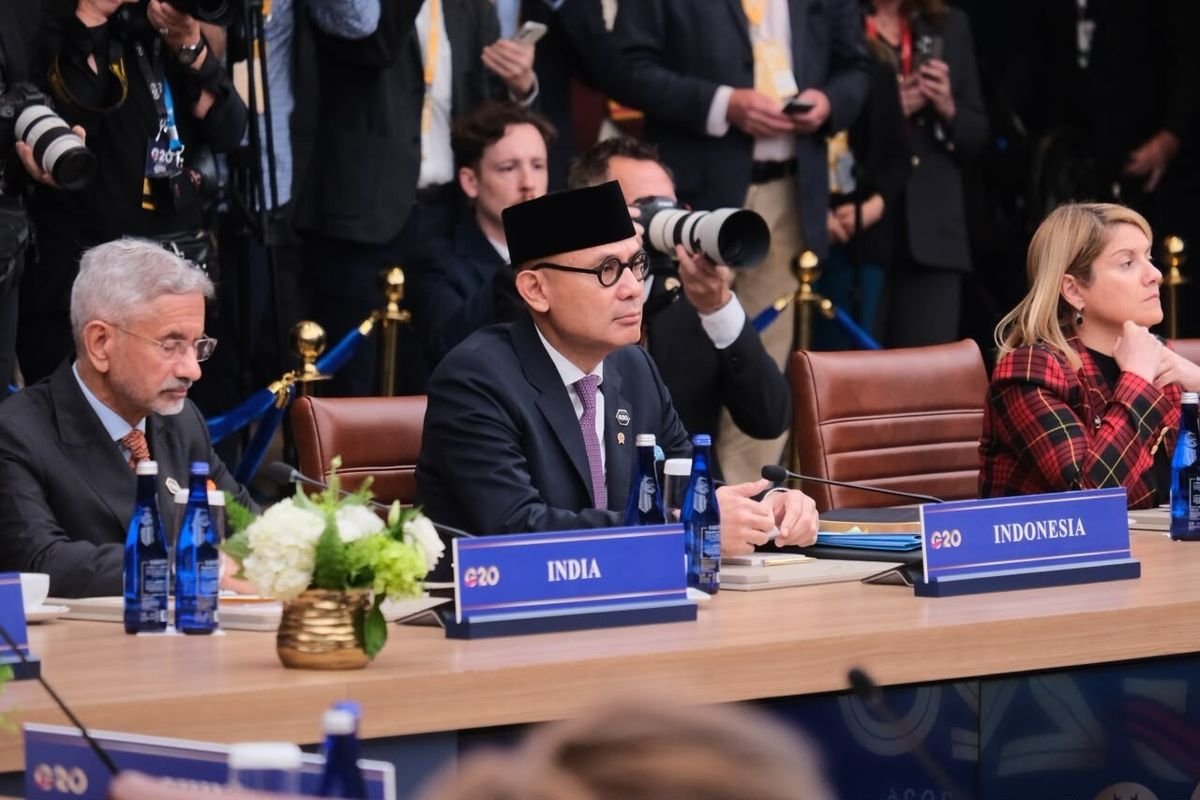
Jakarta, November 1, 2026 – The Europe Today: Indonesia has underscored the importance of strengthening national resilience as the foundation for regional and global stability and resilience at the Group of 20 (G20) Foreign Ministers’ Meeting held in Atlanta, United States.
Foreign Minister Arrmanatha Nasir said national, regional and global resilience are closely interconnected and require effective multilateral cooperation to address shared challenges, according to a written statement issued by Indonesia’s Ministry of Foreign Affairs in Jakarta on Sunday.
“National resilience strengthens regional resilience, which in turn strengthens global resilience,” Nasir said, outlining Indonesia’s key message at the meeting.
Held on October 30-31, the G20 Foreign Ministers’ Meeting featured three plenary sessions focusing on geopolitics, energy security and global supply chains, in which the Indonesian foreign minister participated.
During the geopolitics session, Nasir highlighted the significant consequences of conflicts between countries for developing nations, including Indonesia. He urged all parties to pursue de-escalation, prioritize dialogue and promote constructive cooperation to prevent further escalation of tensions.
Indonesia also reaffirmed the importance of respecting the 1982 United Nations Convention on the Law of the Sea (UNCLOS), emphasizing its role as the international legal framework governing maritime affairs, including freedom of navigation.
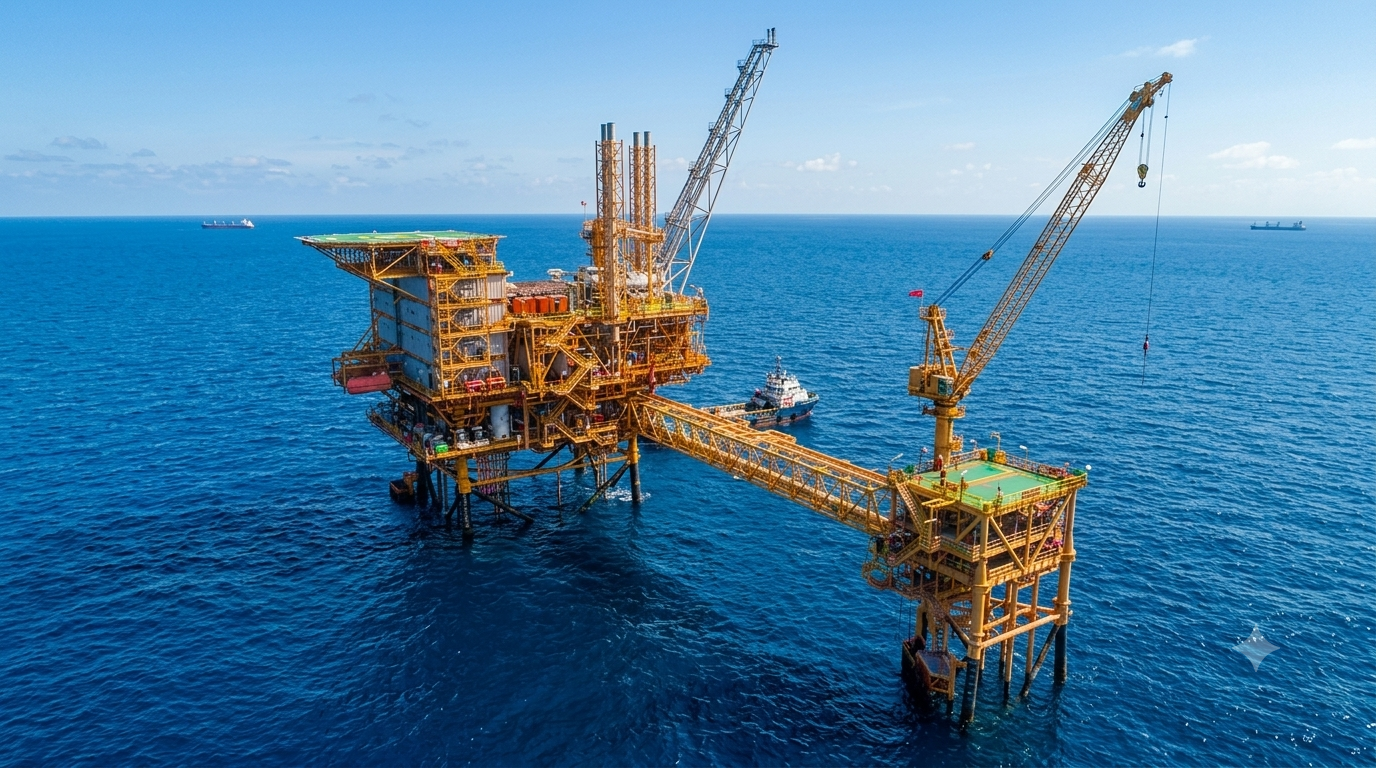
Addressing energy security, Nasir stressed that a reliable and sustainable energy supply is an integral component of national resilience. He said Indonesia was continuing efforts to strengthen its energy self-reliance through initiatives such as the B50 biodiesel programme and the development of solar power plants (PLTS) with a combined capacity of 100 gigawatts (GW).
“Crises must accelerate the energy transition, not reverse it,” the minister emphasized.
On global supply chains, Indonesia highlighted the need to strengthen their reliability while reinforcing the multilateral trading system. Nasir proposed enhancing preparedness and ensuring access to affordable, long-term financing to support more resilient supply networks.
He also stressed the importance of establishing additional production hubs across different regions, particularly in developing countries, to diversify global manufacturing capacity and strengthen supply chain security.
According to the Indonesian Foreign Ministry, such initiatives would also encourage technology partnerships that generate mutual benefits and create greater opportunities for developing nations.
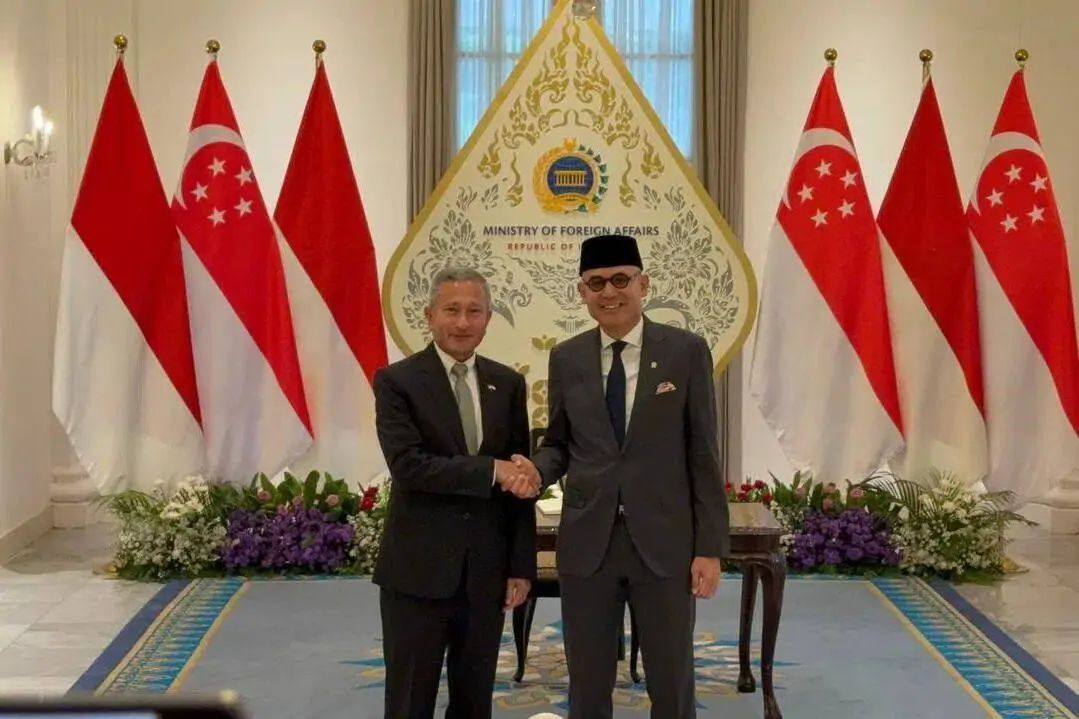
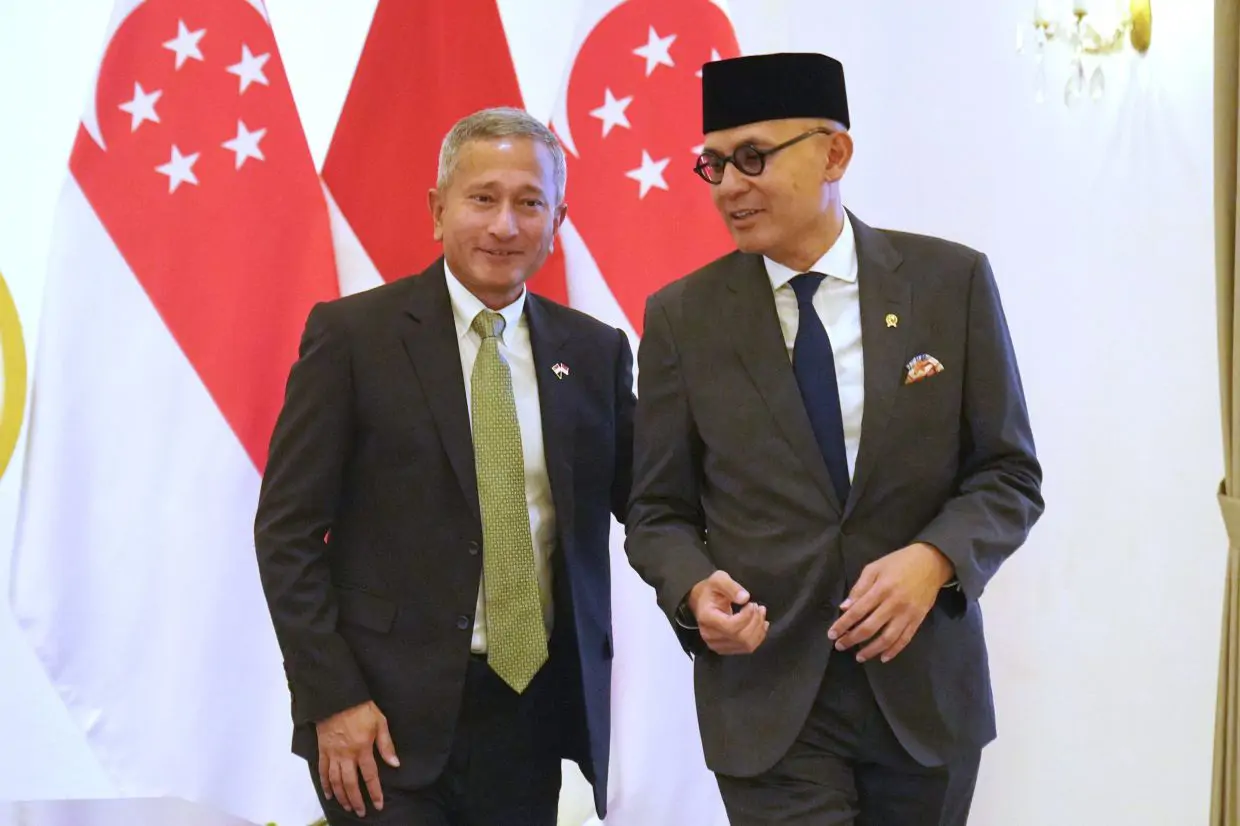
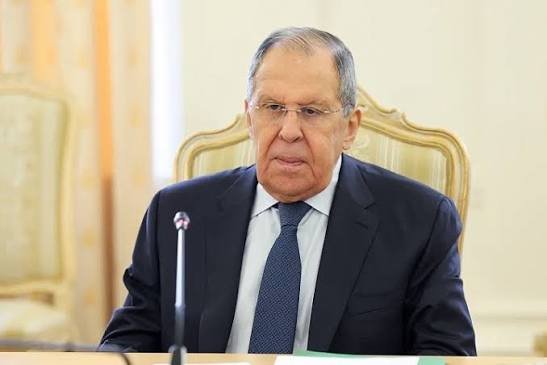
On the sidelines of the meeting, Nasir held several bilateral engagements with foreign ministers from Türkiye, Russia, the United Kingdom, Canada, Saudi Arabia and other friendly countries to discuss matters of mutual interest and bilateral cooperation.
The meeting formed part of the programme of the United States’ G20 Presidency and will lead up to the G20 Summit scheduled to take place in Miami in December 2026.