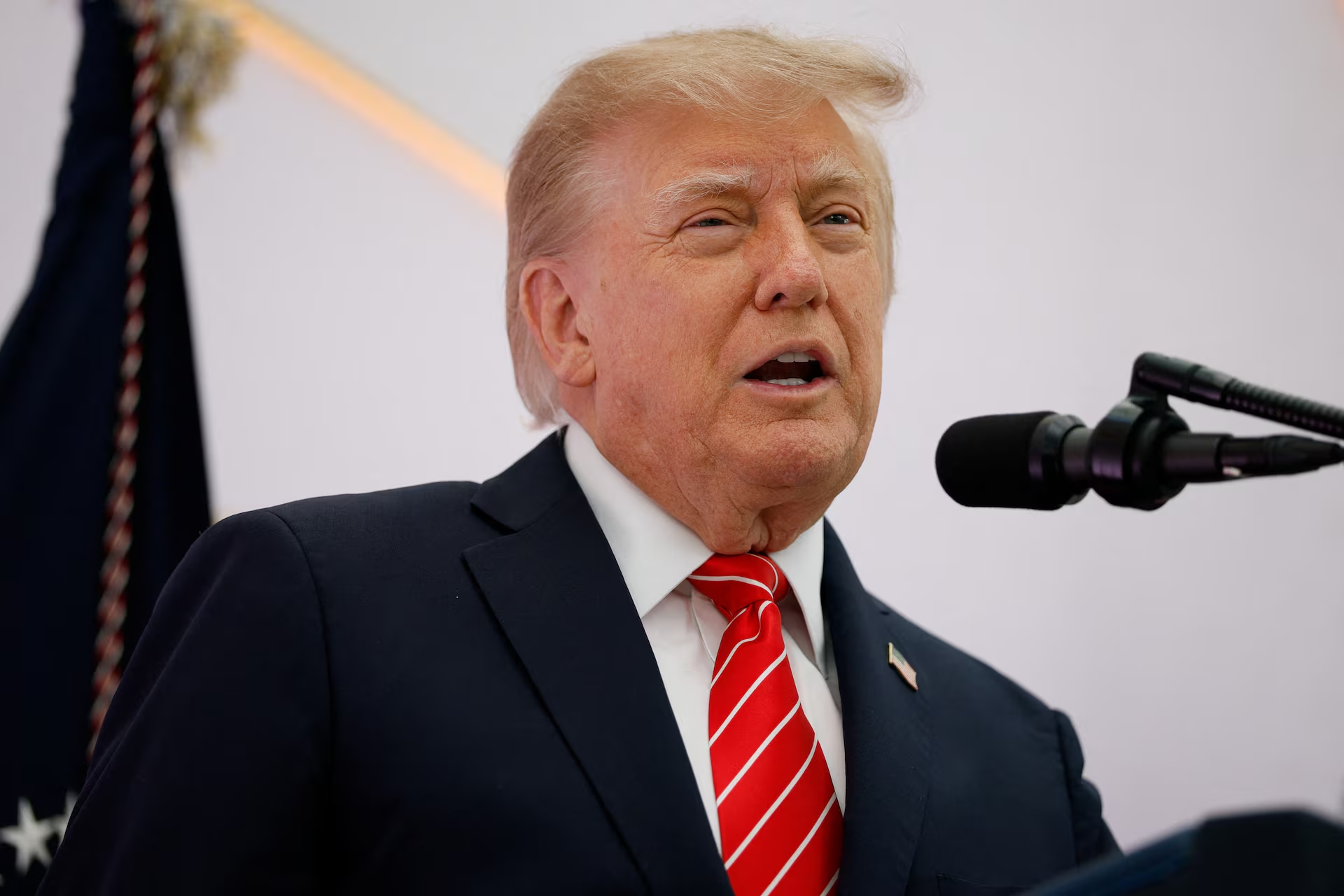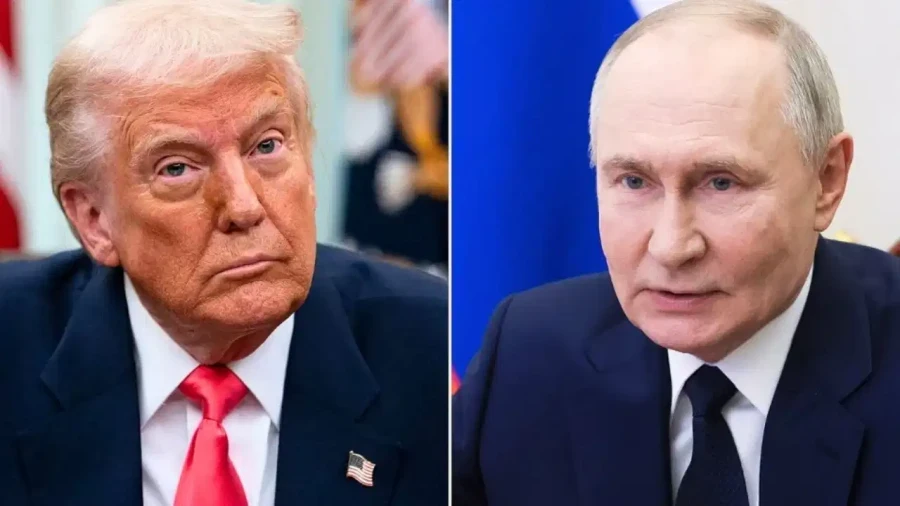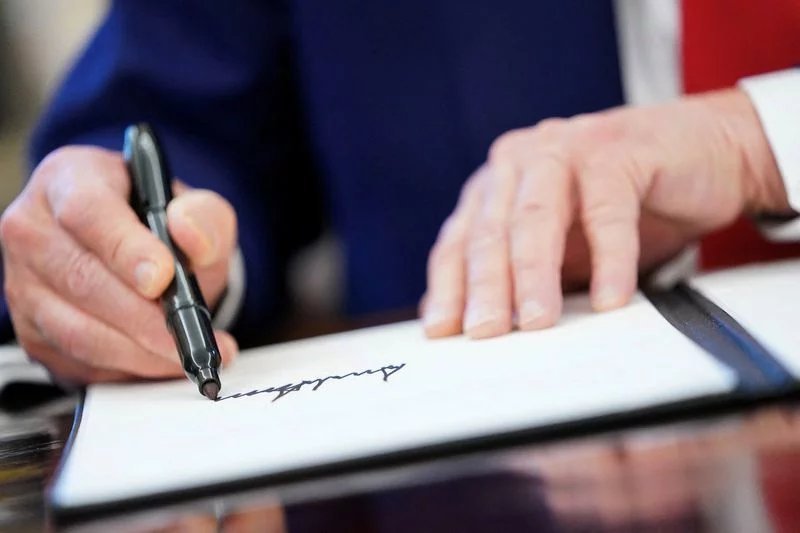
Washington, March 28, 2026 – The Europe Today: The United States is set to introduce a significant change to its currency design, with the decision to include the signature of Donald Trump on US $100 bills, marking a historic departure from a tradition that has endured for more than 165 years.
According to media reports, the United States Department of the Treasury confirmed that the change will take effect in June as part of celebrations commemorating the 250th anniversary of the United States. Traditionally, US banknotes have carried the signature of the US Treasurer, reflecting a longstanding separation between political leadership and the issuance of currency.
Departure from Global Norms
Globally, banknotes typically bear the signatures of central bank or treasury officials rather than political leaders. For instance, euro banknotes feature the signature of the president of the European Central Bank, while British currency carries that of the chief cashier at the Bank of England.
Analysts note that the US move places it among a small number of countries where serving political leaders are directly represented on currency—an approach more commonly associated with highly centralized governance systems.
Historical Context Raises Debate
Historically, several leaders have appeared on national currencies during their time in power, including Mobutu Sese Seko in the Democratic Republic of the Congo, Idi Amin and Apollo Milton Obote in Uganda.
Similarly, Indonesia’s Sukarno and Suharto, as well as the Philippines’ Ferdinand Marcos Sr, were depicted on banknotes during their respective administrations. In East Africa, founding leaders in Kenya and Tanzania also appeared on currency, though such practices have largely been discontinued.
Legal Framework Remains Unchanged
Despite the inclusion of the president’s signature, US law continues to prohibit the depiction of living current or former presidents on paper currency—a restriction in place since 1866. Previous proposals to feature Trump’s likeness have instead focused on commemorative coins, which comply with existing legal provisions.
Symbolic but Significant Shift
Experts describe the move as largely symbolic rather than a structural overhaul of the monetary system. However, it has sparked debate regarding the role of political figures in national symbols, particularly in a country where institutional independence has historically been emphasized.
As the redesigned banknotes are set to enter circulation later this year, attention is expected to focus not only on their visual changes but also on the broader implications for governance norms and political identity in the United States.