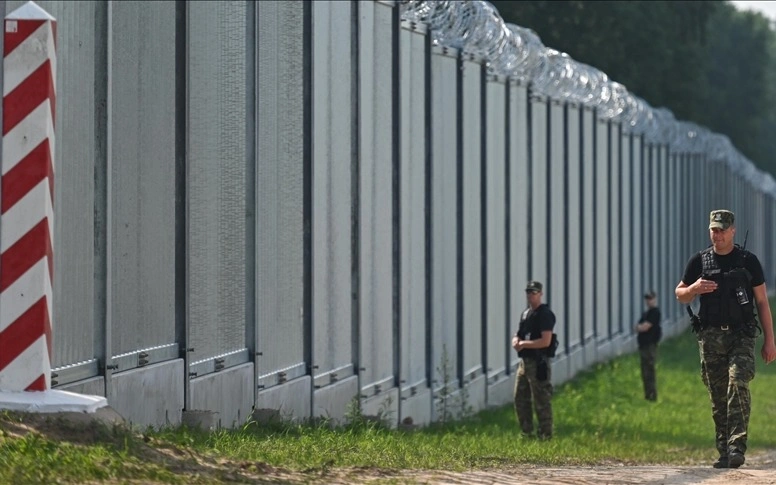
Warsaw, March 30, 2026 – The Europe Today: Poland has announced a six-month extension of temporary border controls with Germany and Lithuania, as part of efforts to counter irregular migration and strengthen internal security, the Interior Ministry confirmed.
The controls, initially introduced in July last year and due to expire on April 4, will now remain in force until October 1. Authorities said the extension was necessary to address ongoing migration challenges and maintain oversight of transit routes used by migrant-smuggling networks.
The measures apply to selected crossings along Poland’s western and northeastern borders, where officials are authorized to stop vehicles and verify travelers’ identity documents. According to government data, checks are being conducted at 52 locations along the German border and 13 crossings with Lithuania, including key transit points such as Świecko, Olszyna, Kołbaskowo, Budzisko, and Ogrodniki.
Officials say the controls are primarily aimed at preventing migrants who entered the European Union via Belarus and Lithuania from moving onward through Poland to Germany and other Western European destinations.
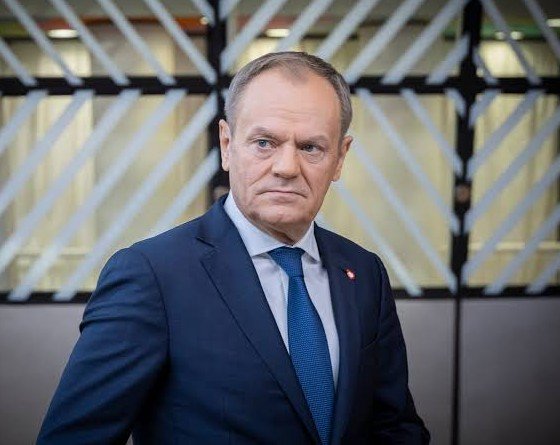
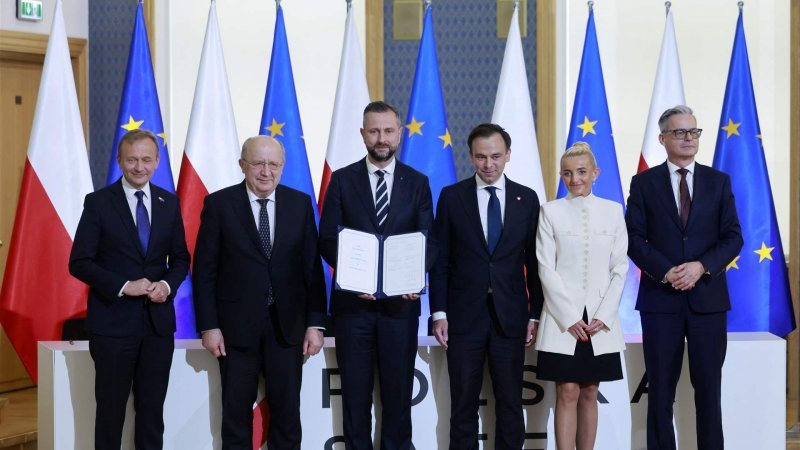
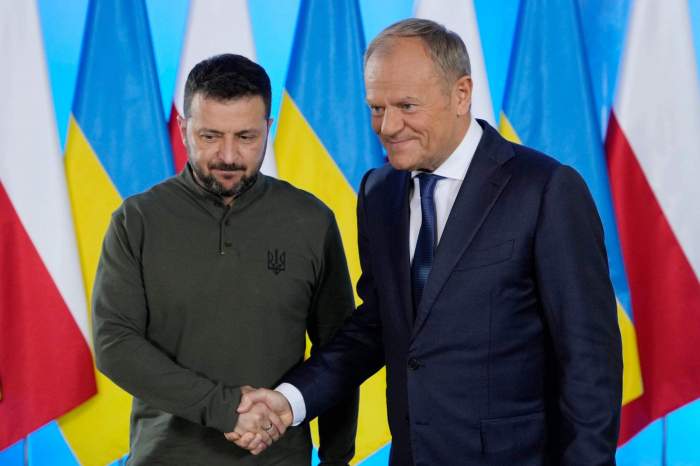
Deputy Interior Minister Czeslaw Mroczek previously stated that the policy seeks to maintain effective control over east-to-west migration flows. Prime Minister Donald Tusk has also argued that Germany’s border policies have contributed to migrants being redirected back into Poland, placing additional strain on the country’s frontier management.
The move reflects a broader shift across Europe, where several countries have reintroduced internal border checks despite the principles of the Schengen Area. Germany has maintained its own controls on the Polish border since 2023 and recently extended them for another six months.
Under the Schengen Code, member states are permitted to temporarily reinstate border controls if they face serious threats to public order or internal security, with such measures subject to renewal every six months.
While the checks are selective, logistics companies and business groups have raised concerns about disruptions to transport and trade. Haulage operators report delays, particularly for freight vehicles, with waiting times at some crossings exceeding one hour during peak periods.
The extension underscores ongoing tensions between maintaining security and preserving the free movement of people and goods within the European Union.