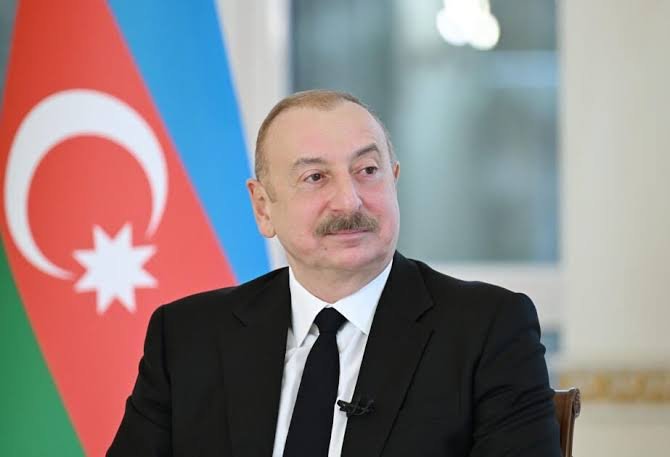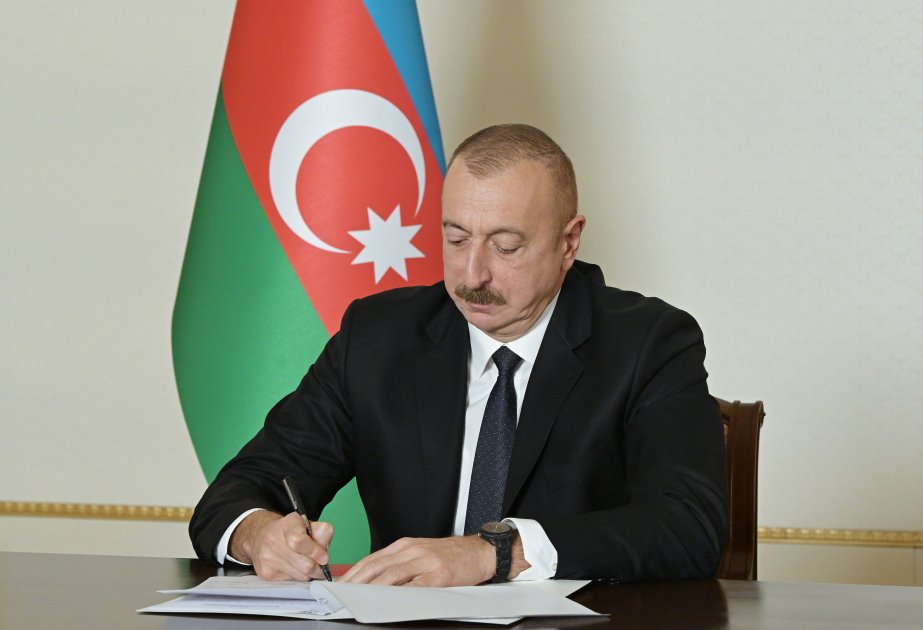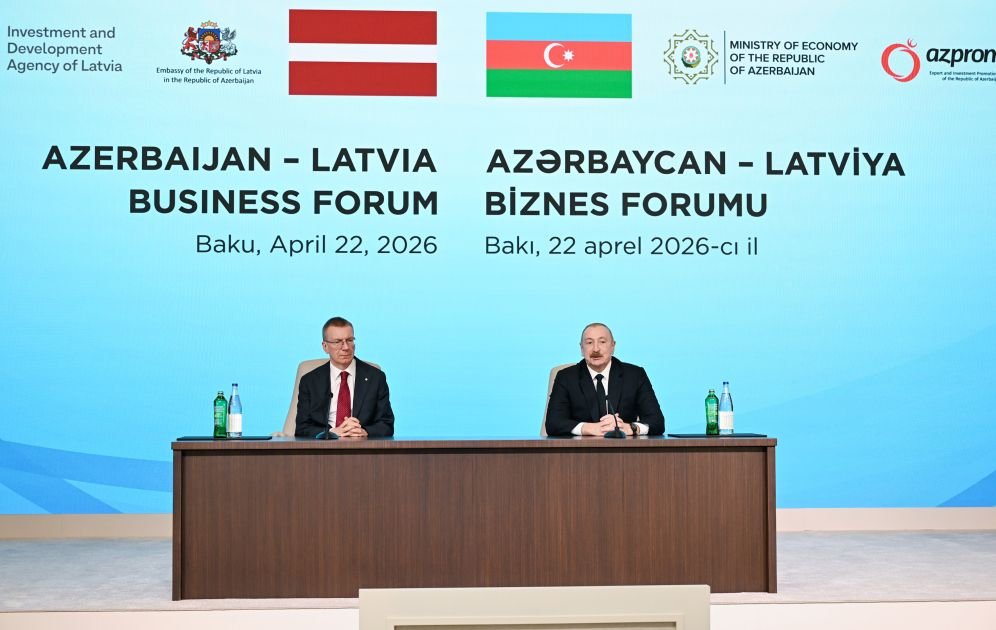
Baku, April 23, 2026 – The Europe Today: The official visit of Latvian President Edgars Rinkēvičs to Azerbaijan, at the invitation of President Ilham Aliyev, signals a deepening partnership that extends beyond diplomatic protocol into the realm of strategic cooperation across Eurasia.
At a time when Europe is reassessing supply chains, transport security, and energy resilience, both Azerbaijan and Latvia are increasingly aligned in their outlook. Despite their geographic distance—one located along the Caspian Sea and the other on the Baltic coast—this positioning is now viewed as complementary, offering new opportunities for connectivity and cooperation.
Since gaining independence following the collapse of the Soviet Union, both nations have pursued paths centered on sovereignty, state-building, and integration into global systems. This shared historical experience has fostered mutual understanding, particularly regarding territorial integrity and international law. Latvia has consistently supported Azerbaijan’s sovereignty, a stance that has contributed to stable bilateral relations over the years.
The relationship has evolved significantly, moving from political solidarity to practical cooperation. A strategic partnership agreement signed in 2017 laid the foundation for expanding ties, which have since gained relevance amid global economic disruptions and shifting geopolitical realities.
Azerbaijan’s growing importance as a transit hub has drawn particular interest from Latvia. The development of major trade routes such as the Middle Corridor—linking China and Central Asia to Europe via the Caspian region—and the North-South corridor underscores Azerbaijan’s strategic role in facilitating Eurasian connectivity. For Latvia, a Baltic trading nation, access to diversified transport routes enhances economic security and strengthens its logistical capabilities.
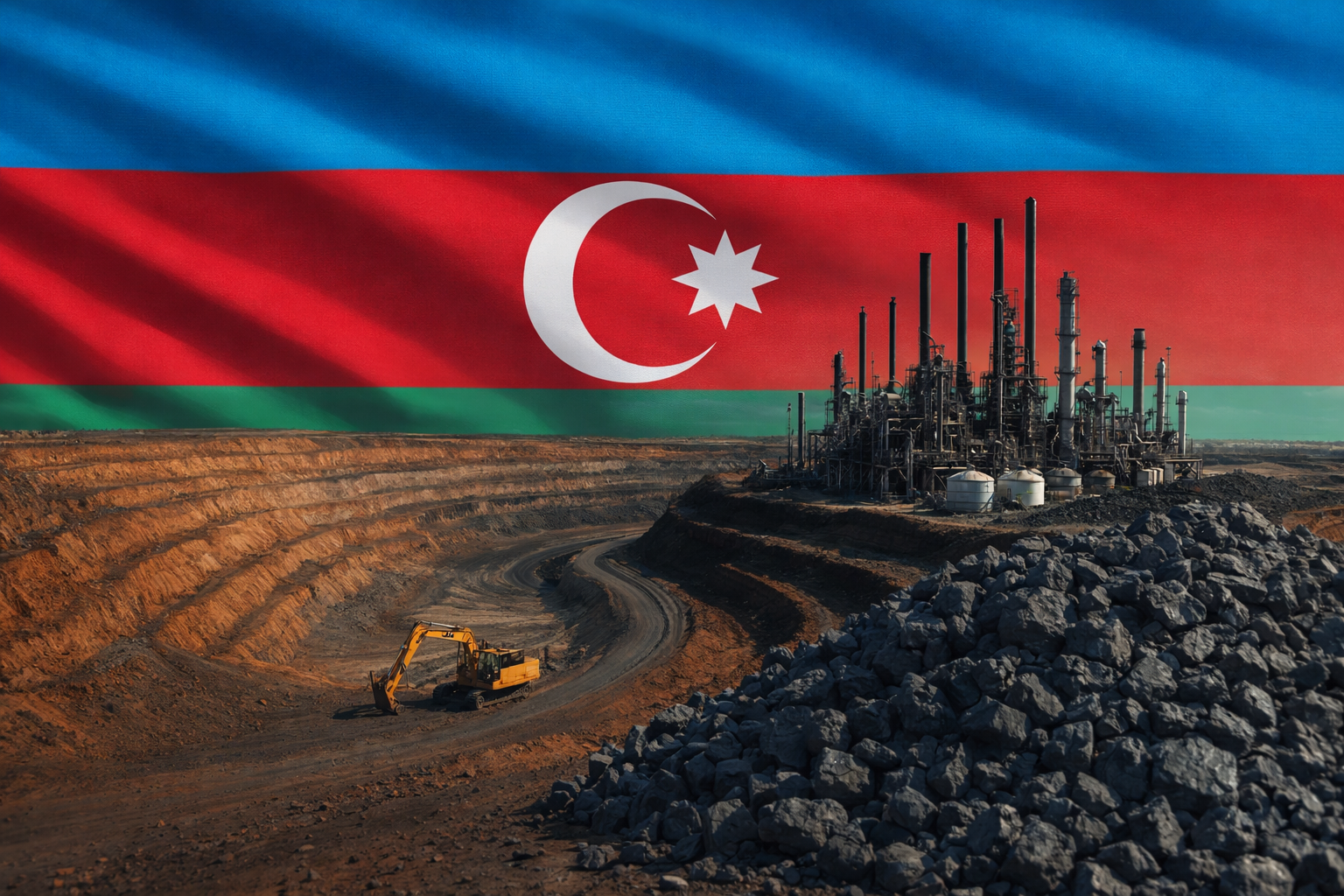
Energy cooperation is another key pillar. As Europe seeks diversified and sustainable energy sources, Azerbaijan’s expanding role in natural gas exports and renewable energy projects—including solar, wind, and offshore initiatives in the Caspian—offers promising avenues for collaboration. Latvia is well-positioned to engage in these developments through investment and expertise-sharing.
Beyond transport and energy, both countries are exploring opportunities in agriculture, electronics, digitalisation, and cybersecurity. Latvia’s strengths in technological innovation and governance complement Azerbaijan’s growing regional economic influence, enabling agile cooperation across emerging sectors.
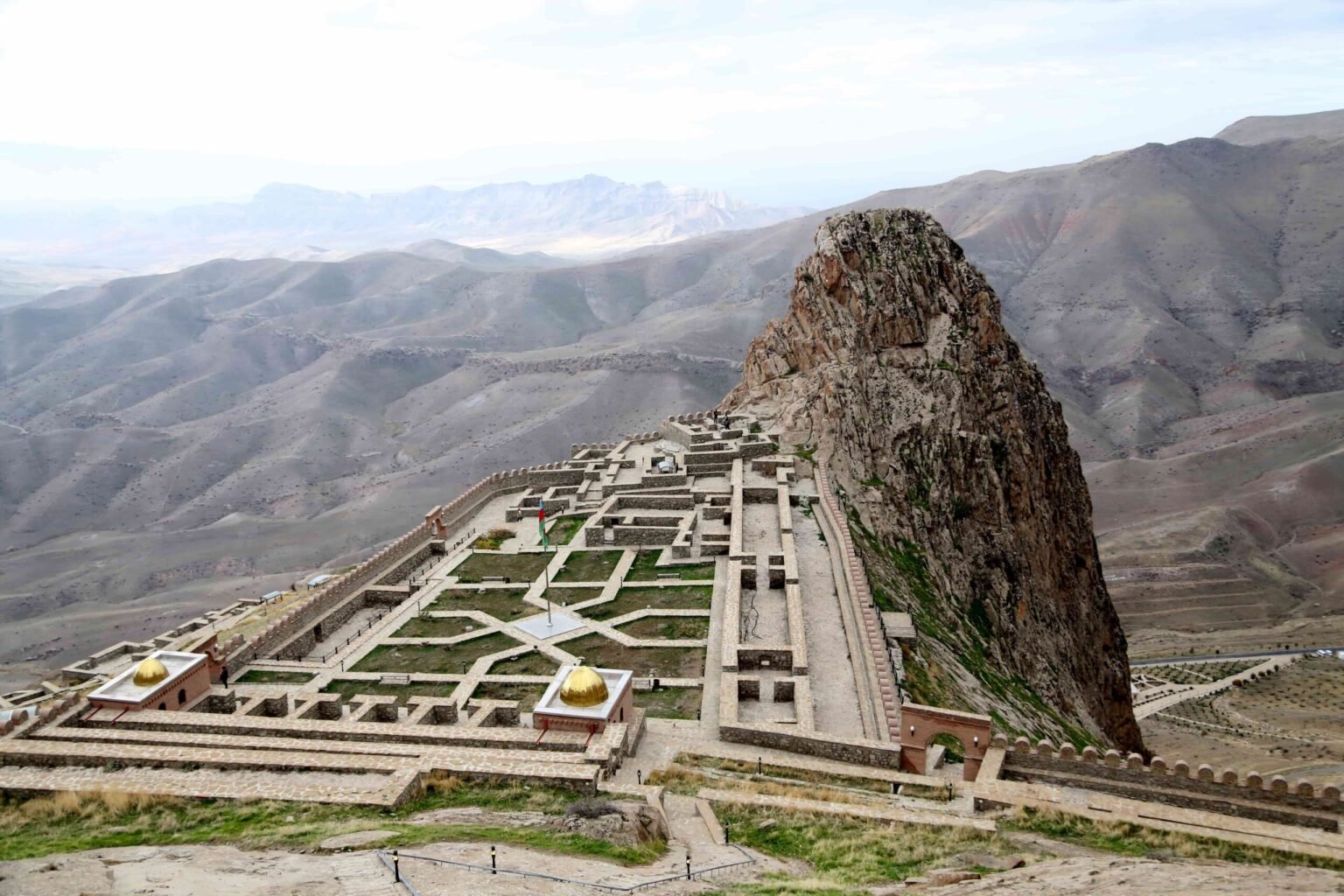
Cultural and historical parallels further reinforce the relationship. Both Azerbaijan and the Baltic states share traditions of education, multilingualism, and openness shaped by their positions as crossroads between East and West. These shared characteristics provide a strong foundation for deeper engagement.
President Rinkēvičs’ visit reflects a forward-looking vision, highlighting confidence and continuity in bilateral relations. It also underscores a broader reality: as Europe becomes increasingly interconnected, partnerships between nations like Latvia and Azerbaijan are gaining strategic significance.
From Riga to Baku, a relationship rooted in shared historical experience is steadily evolving into one driven by common economic and geopolitical interests—an evolution that may prove crucial in navigating today’s complex international landscape.