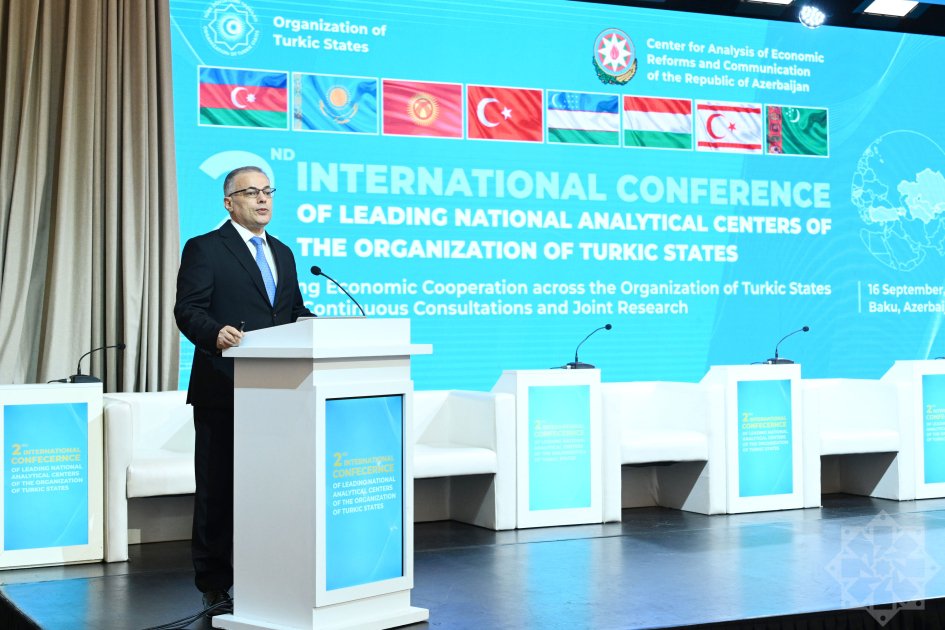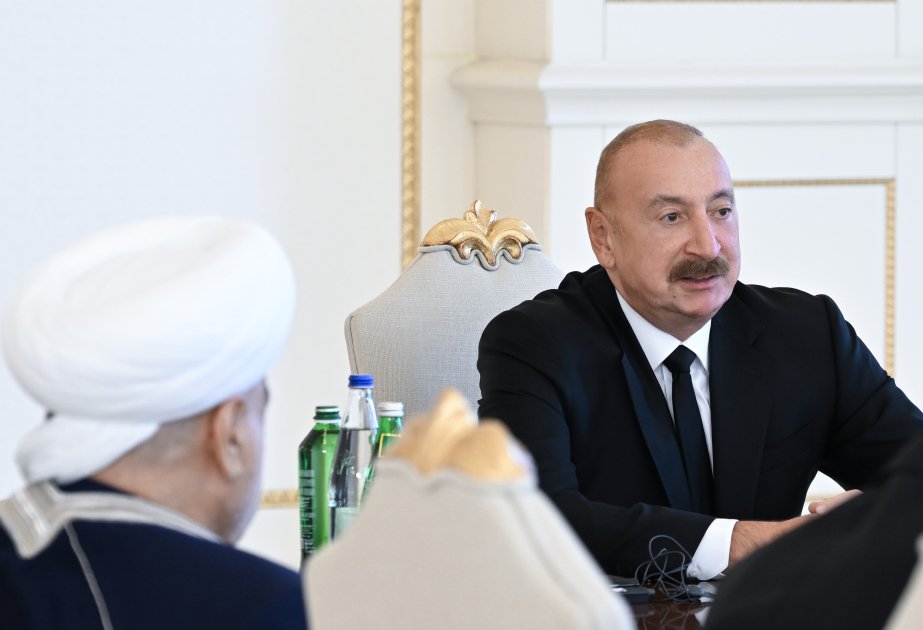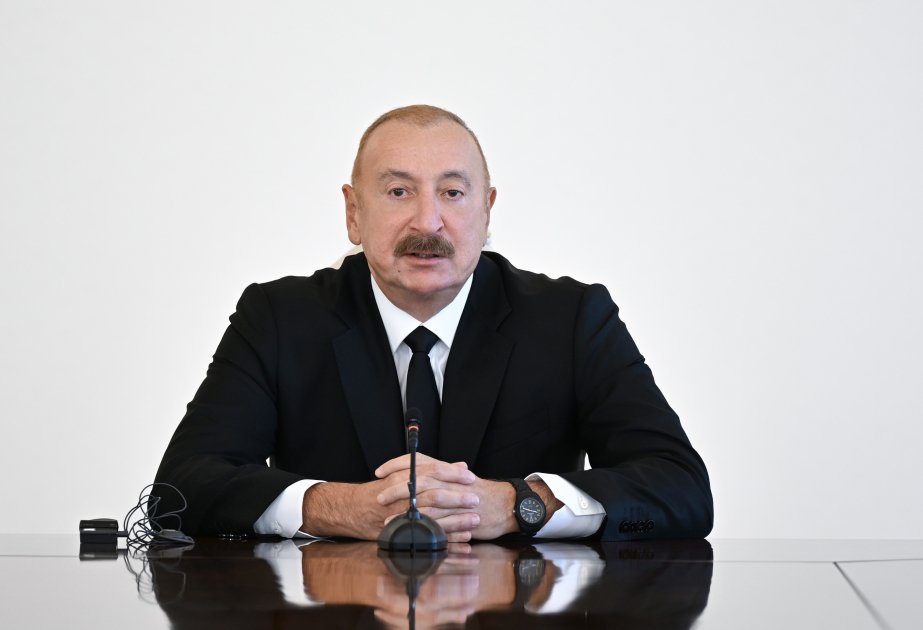
The 13th city forum (WUF13) was characterized by a historic size of participation and a historic level of scale, as well as a familiar challenge for urban governance – will high-level multilateral meetings achieve tangible results?
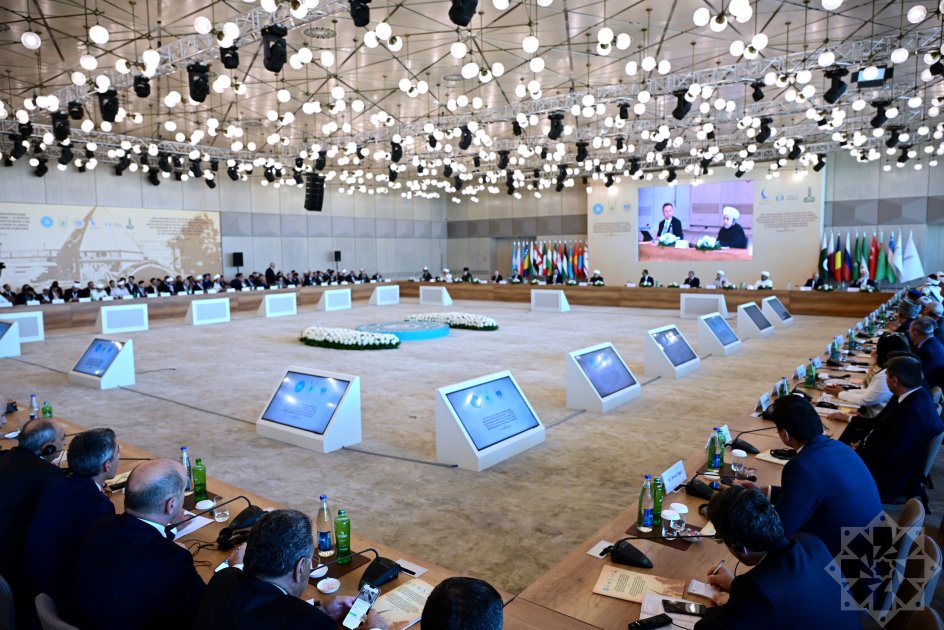
What has been called the largest forum in its 25-year history came to an end at Baku Olympic Stadium by lowering the flag. WUF13 saw 579 events and 260 Urban Expo exhibitors and attracted an unprecedented 56,000 participants. Diplomatic and institutional participation was equally strong, with 11 heads of state, 88 ministers, 76 deputy ministers and 130 mayors attending the gathering.
The event took place after COP29, and showed both continuity and expansion in the international climate-urban dialogue. With the introduction of the “Baku Call to Action” and the passing of the WUF baton to Mexico City for WUF14, the process of moving from discussion to action seemed to have begun, although doubts remain on the substance of what comes of these declarations.
From Dialogue to Policy Framing: Housing at the Core
One of the key takeaways from WUF13 was a shift in the way urban policies are conceptualized, especially housing policy. In her presentation, Anacláudia Rossbach highlighted the “Baku Call to Action” as the main result of the forum, stating that the provision of housing is no longer a welfare problem but an integral part of urban policy, related to land use, infrastructure, climate action, financing, and governance.
This reframing is a significant shift from the previous understandings of urban development, and could shape the institutional organization of urban ministries and financing systems if taken up by governments.
The Call to Action, while non-binding, is being seen as the most progressive statement ever created by the World Urban Forum. It directly challenges the nature of housing value chains and the need for their structural transformation, pointing to the lack of access to credit for low-income households and underinvestment in low-income housing.
It also calls for enhanced municipal fiscal autonomy, more public investment and greater international cooperation, as well as housing systems that are more resistant to climate change and can respond to flooding, heat stress, biodiversity loss and air pollution.
Institutional Innovations
WUF13 also brought about institutional changes, which have the potential to exist beyond the forum itself, in addition to the policy language. The Leaders’ Summit, organized by President Ilham Aliyev, was the first time in the history of the Forum when the head of states were brought into the discussion. This evolution could influence the future of WUF editions if their successor host institutions wish to keep such a format.
There was also growing recognition of non-state actors in discussions on urban governance, with the establishment of a dedicated NGO Forum. Furthermore, the newly established Baku Urban Award and the institutional frameworks defined under the “WUF13 Baku standards” could be institutional models to be respected for future forums, especially for organizing multi-stakeholder consultations and engagement at the summit level.
A Letter of Intent document also outlines plans to institutionalize Baku’s organizational model as a reference for future hosts of WUF, between the State Committee for Urban Planning and Architecture of Azerbaijan and UN-Habitat.
The Hosting Role and Urban Development Story of Azerbaijan
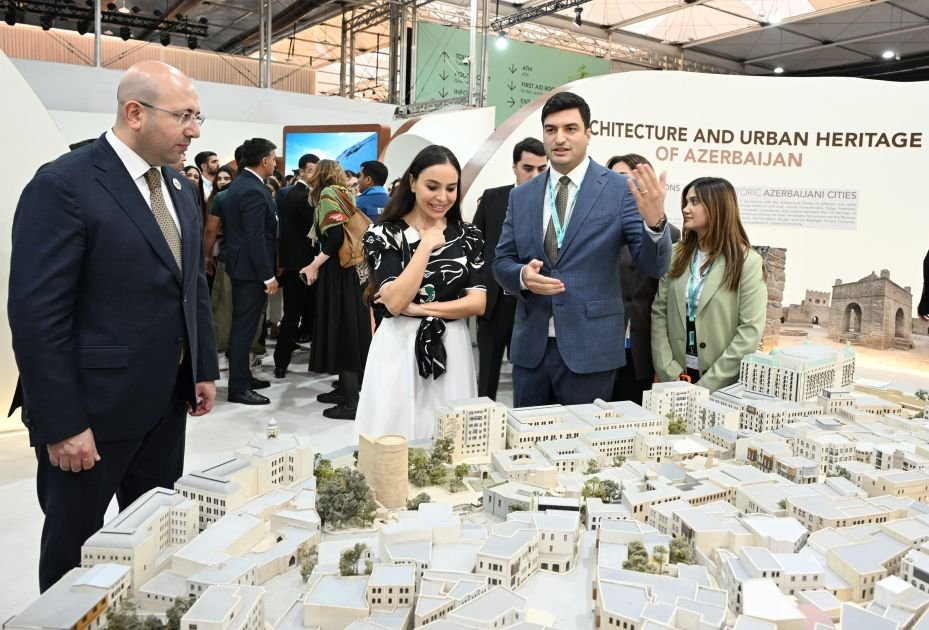
The forum also showcased Azerbaijan’s capacity to host and organize large-scale events, including security, translation and accommodation logistics.
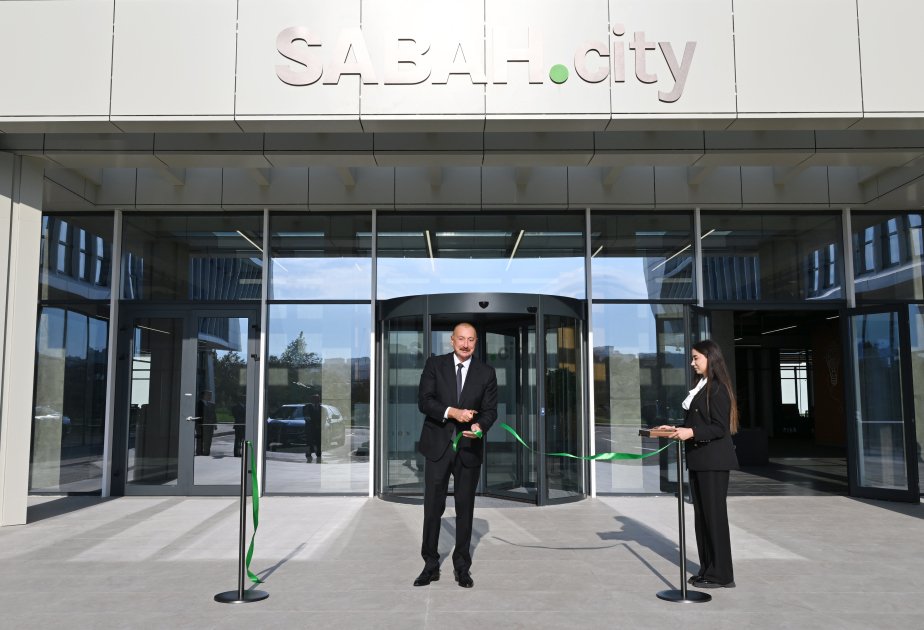
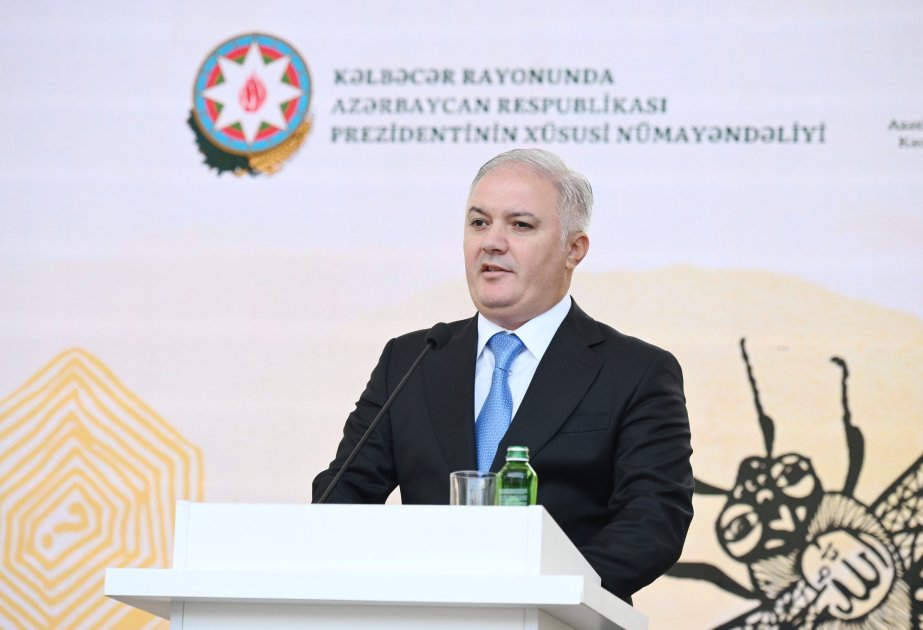
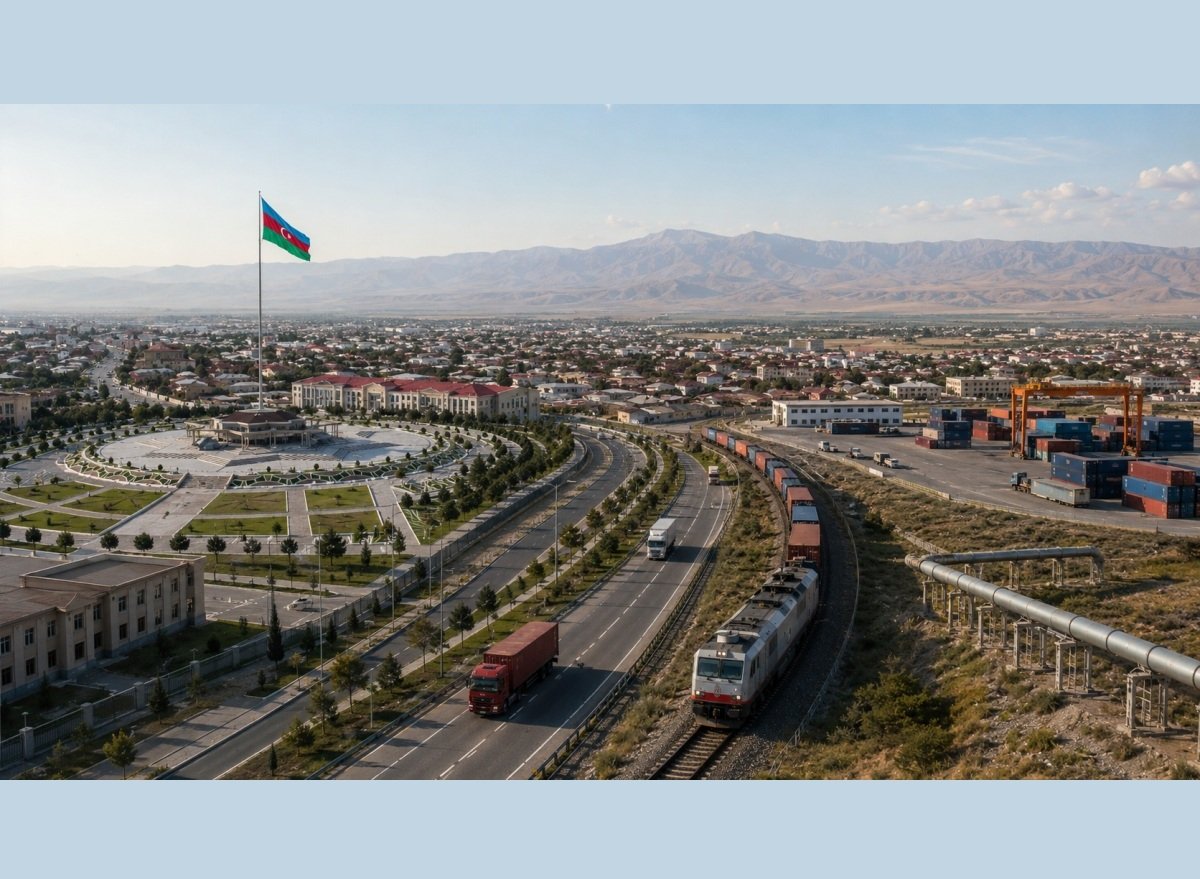
Many of the discussions also referred to Azerbaijan’s post-conflict urban and architectural reconstruction in Karabakh, such as the program of “Great Return,” the development of several cities and villages, smart village projects, green zones for energy resources. These were shared as practical case studies in post conflict urban planning, capturing the attention of the delegates from other parts of the world with similar problems.
But it also brought concerns to the foreground of the reconstruction narrative. On the one hand, some participants observed displacement-related realities while on the other, displacement is part of a broader discourse of “adequate housing” and “dignity of displaced communities” in the forum, demonstrating the political complexity of urban recovery discourse.
Air Quality Agenda
The high-level forum on air quality and green infrastructure organized by Leyla Aliyeva was one of the less known, but likely lasting effects. As a result of the forum, a “Baku Challenge for Breathing Cities” was formulated and agreed to by the forum participants, which pledged to raise clean air as a regular topic of WUF discussions.
Air pollution is a major public health hazard, responsible for an estimated 7 million deaths per year, according to the World Health Organization, and the initiative brings together the issues of urban housing policy and broader environmental and public health issues, especially in more densely populated and lower income neighborhoods.
Achievements
Despite its scale and institutional innovations, WUF13 once more brings the issue of impact versus intent to the forefront of multilateral urban diplomacy. The Baku Call to Action intends to set the next ten years as a “decade of action” with the expectation of delivering tangible strides towards SDGs and the New Urban Agenda.
WUF13 achieved success in making the language of the policies stronger, in placing housing on the global agenda, and establishing new institutional arrangements, but the extent to which it will make a long-term impact will be determined whether or not governments translate their commitments into financing, reforms, and implementation on scale.
Owner of “The Europe Today” and Patron-In-Chief/Owner of “The Gulf Observer”, Chairman “The Gulf Observer Research Forum”, Foreign Affairs Expert, Analyst, International Award Winning Author and Poet.