Jakarta, June 18, 2026 – The Europe Today: Indonesia’s Ministry of Energy and Mineral Resources has underscored the country’s strategic importance in supporting the global energy transition, citing its vast reserves and production of critical minerals essential for clean energy technologies.
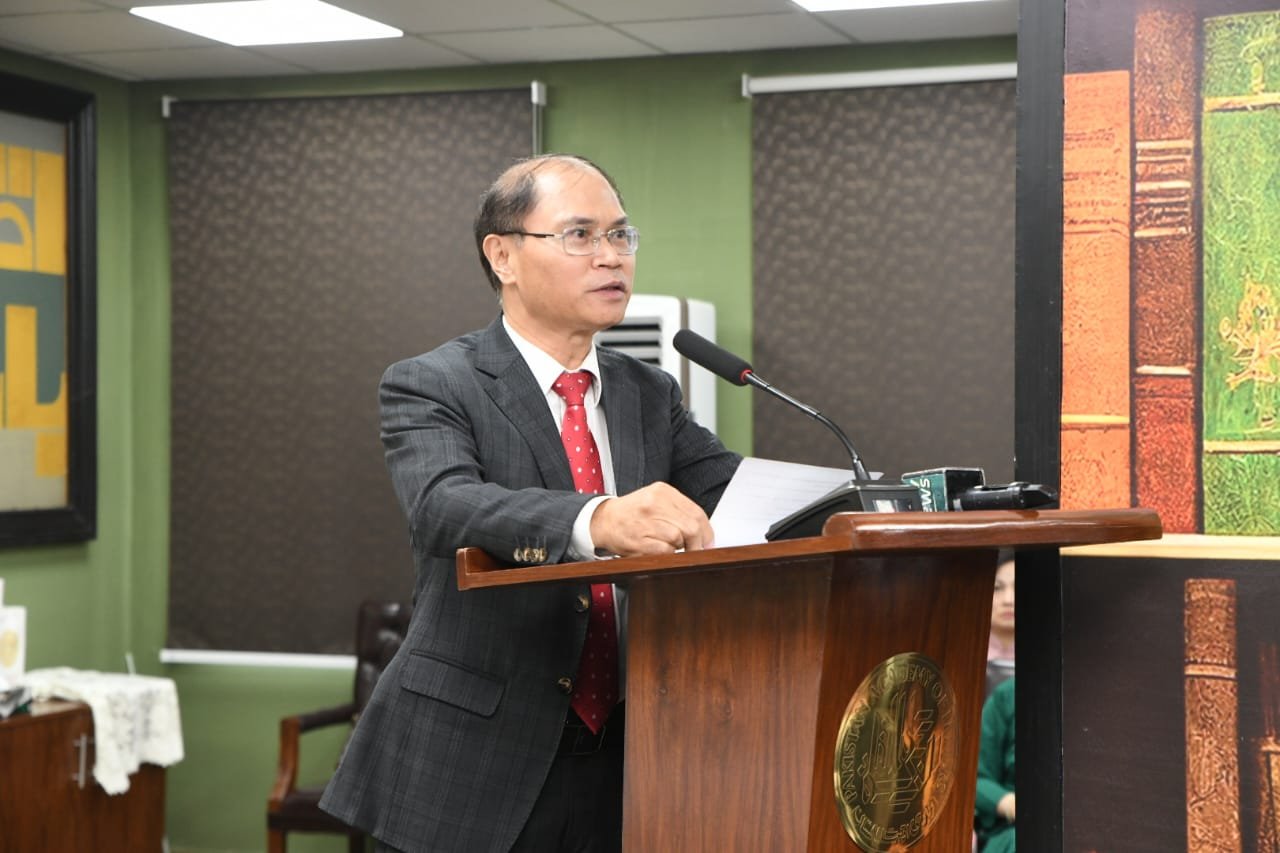
Speaking in Jakarta on Wednesday, Cecep Mochammad Yasin, Director of Mineral Business Development at the ministry, said Indonesia must ensure that the development of downstream industries is aligned with the sustainable management of its mineral resources.
He noted that Indonesia is one of the world’s leading producers of critical minerals, including nickel, tin, bauxite, copper, and iron, all of which play a vital role in the transition to clean energy.
Yasin explained that modern renewable energy technologies, such as solar panels, wind turbines, power grids, energy storage systems, electric vehicles, and hydrogen-based technologies, depend heavily on critical minerals. Copper is fundamental to electrification, while nickel, cobalt, and lithium are key materials used in the rapidly expanding global battery industry.
“Indonesia’s position as a major producer of various minerals makes it strategically important in supporting the success of the global energy transition,” he said.
According to Yasin, Indonesia possesses significant advantages in the sector, including the world’s largest nickel reserves, estimated to support production for approximately 31 years based on an annual output of 190 million tons. The country also holds the world’s second-largest tin reserves, sufficient to sustain production for around 22 years at an annual output of 65,000 tons.
He stressed that Indonesia should maximize the value of its mineral wealth by advancing downstream processing beyond the initial stages. The ministry is promoting deeper industrial integration, ranging from ore processing into Mixed Hydroxide Precipitate (MHP), nickel matte, precursors, and cathodes, to the production of end-use goods such as electric vehicles and energy storage systems.
Yasin emphasized that extending the domestic value chain would generate greater economic benefits for the country and its people, while strengthening Indonesia’s position in the global clean energy supply chain.