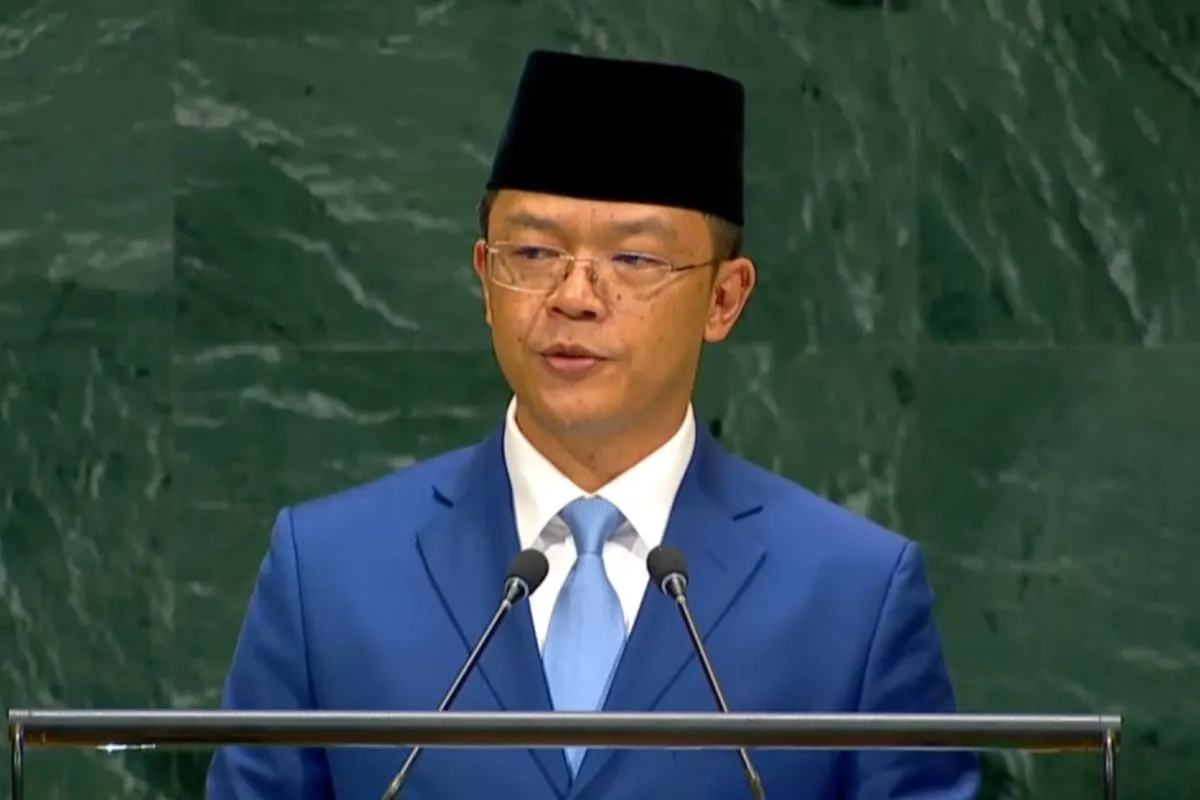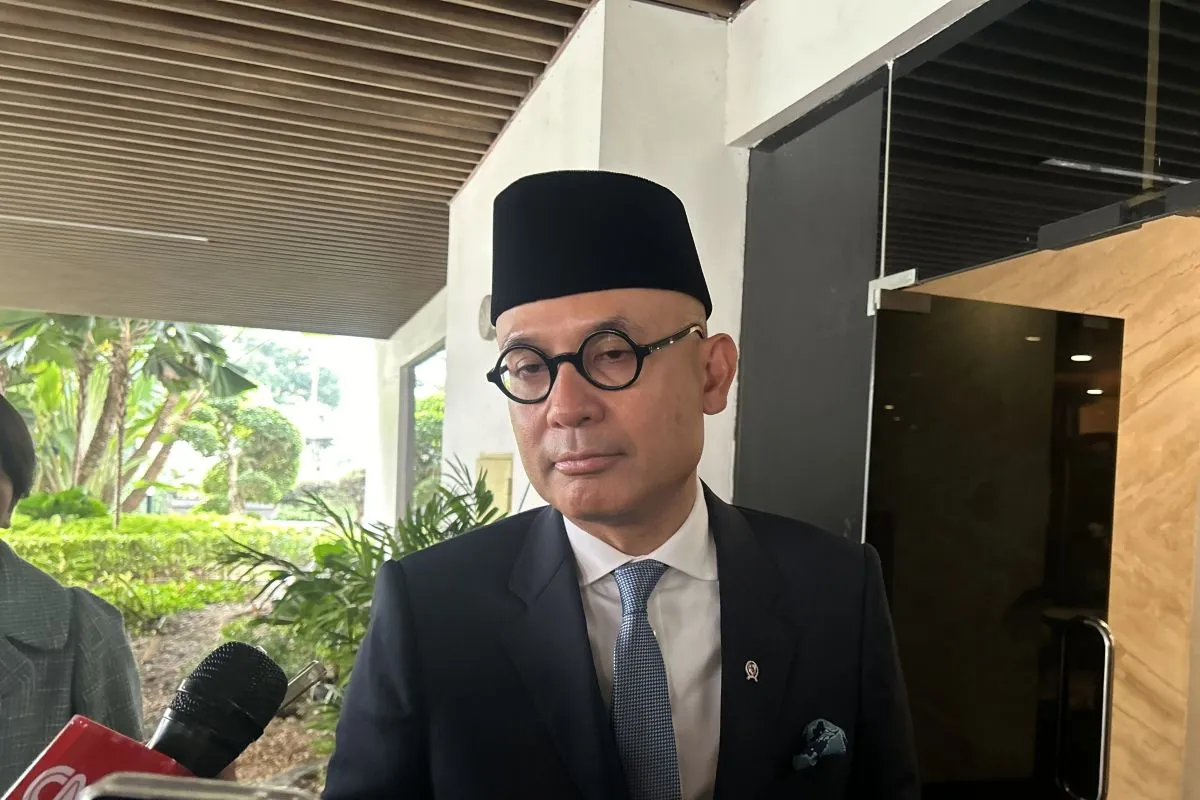
Jakarta, October 2, 2026 – The Europe Today: Indonesia’s newly appointed Foreign Minister Arrmanatha Christiawan Nasir has reaffirmed his commitment to continuing the country’s foreign policy in line with President Prabowo Subianto’s directives and building on the work of his predecessor, Sugiono.
Arrmanatha made the remarks on Thursday while speaking to journalists at the Ministry of Foreign Affairs in Jakarta following his inauguration as foreign minister at the State Palace.
He said Indonesia’s foreign policy mandate was grounded in the Constitution and that the Foreign Ministry had a clear responsibility to implement the country’s foreign policy.
“Our mandate is based on the Constitution,” Arrmanatha said, adding that the ministry would continue the work carried out by Sugiono while following the directions of President Prabowo, as the ultimate mandate for foreign policy rests with the President.
The new foreign minister emphasized the importance of consistency in Indonesia’s foreign policy, describing stability from one year to another as a characteristic of the country’s approach to international relations.
Arrmanatha also reaffirmed Indonesia’s intention to remain actively engaged in international efforts aimed at creating a safer and more stable world.
In this context, he highlighted Indonesia’s candidacy for a non-permanent seat on the United Nations Security Council for the 2029–2030 term.
According to Arrmanatha, the candidacy reflects Indonesia’s continued commitment to multilateralism. He said Indonesia would use the opportunity to contribute to efforts aimed at reforming the multilateral system.
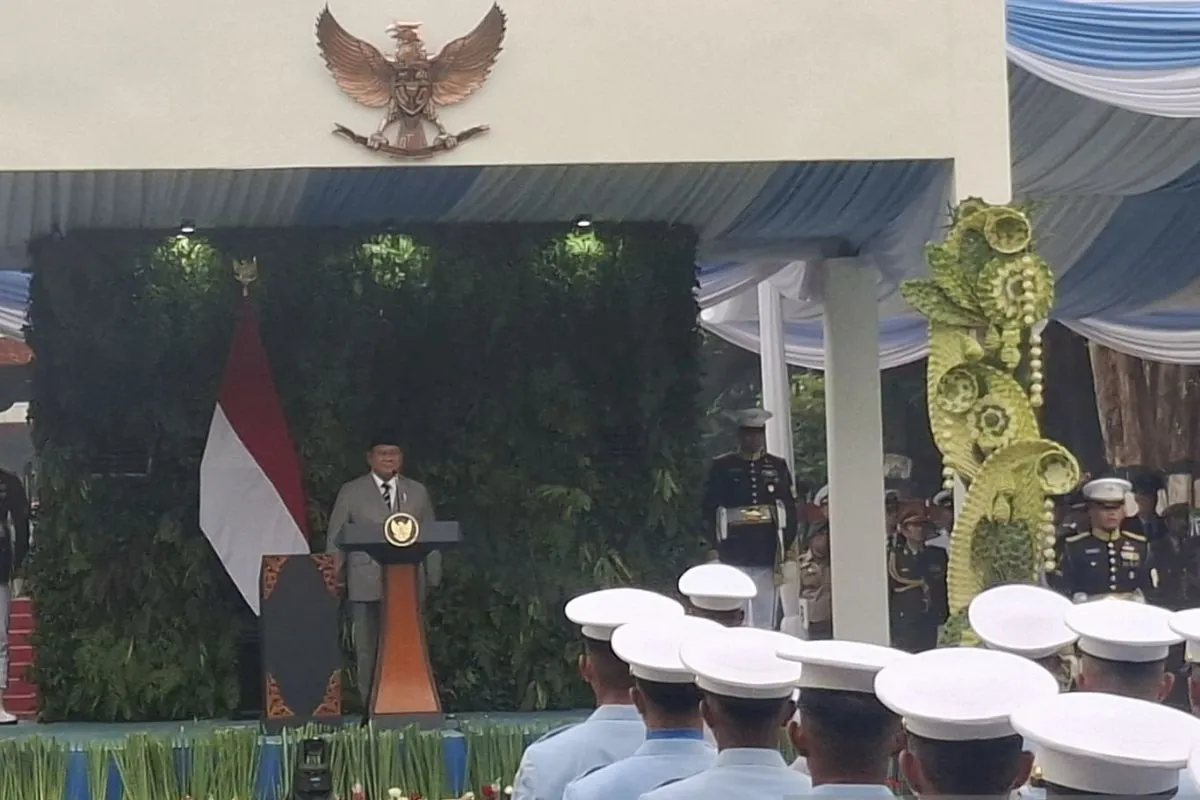
Arrmanatha, who previously served as Deputy Foreign Minister, was officially sworn in as Foreign Minister by President Prabowo Subianto on Thursday, replacing Sugiono.
His appointment was made under Presidential Decree No. 105/P of 2026 concerning the dismissal and appointment of ministers and deputy ministers of the 2024–2029 Red and White Cabinet. The decree was issued by President Prabowo on September 30, 2026.
The leadership transition comes as Indonesia continues to pursue an active role in multilateral diplomacy, including its campaign for the 2029–2030 UN Security Council term and efforts to promote reform of the international multilateral system.